
Jonas Weber
Jonas Weber is an SEO & Content Marketing Assistant at HEPF AG, working remotely from Germany. He supports HEPF AG's search and content efforts, helping HEPF's articles and case studies reach the people looking for modular building solutions across different sectors.
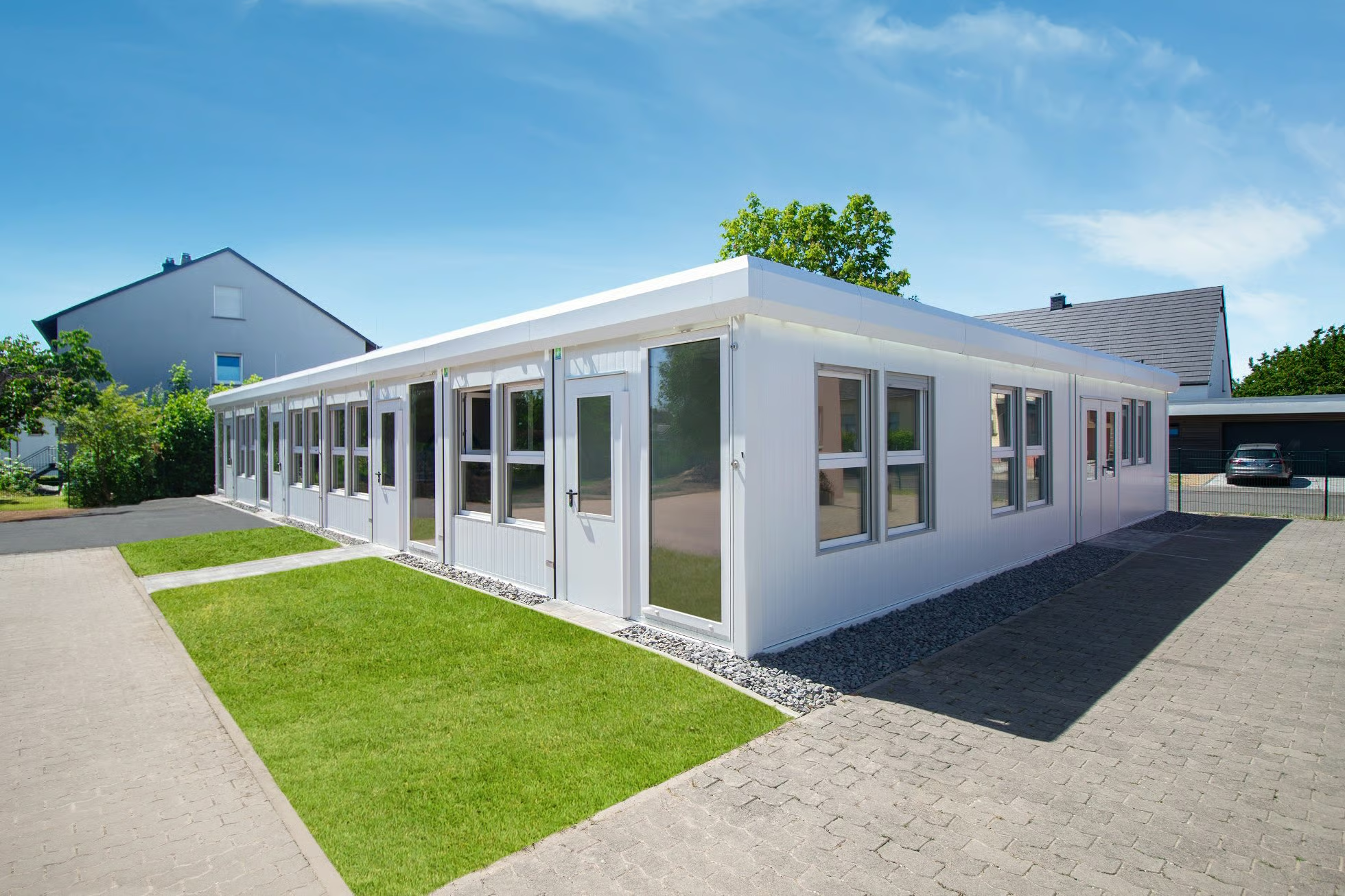
Container Permits in Switzerland: What Your Canton Requires
Swiss building law treats containers as structures, and permit requirements vary by canton, zone and intended use. This guide covers the federal framework, cantonal thresholds, the Baugesuch process and enforcement risks so you can plan your project timeline accurately.
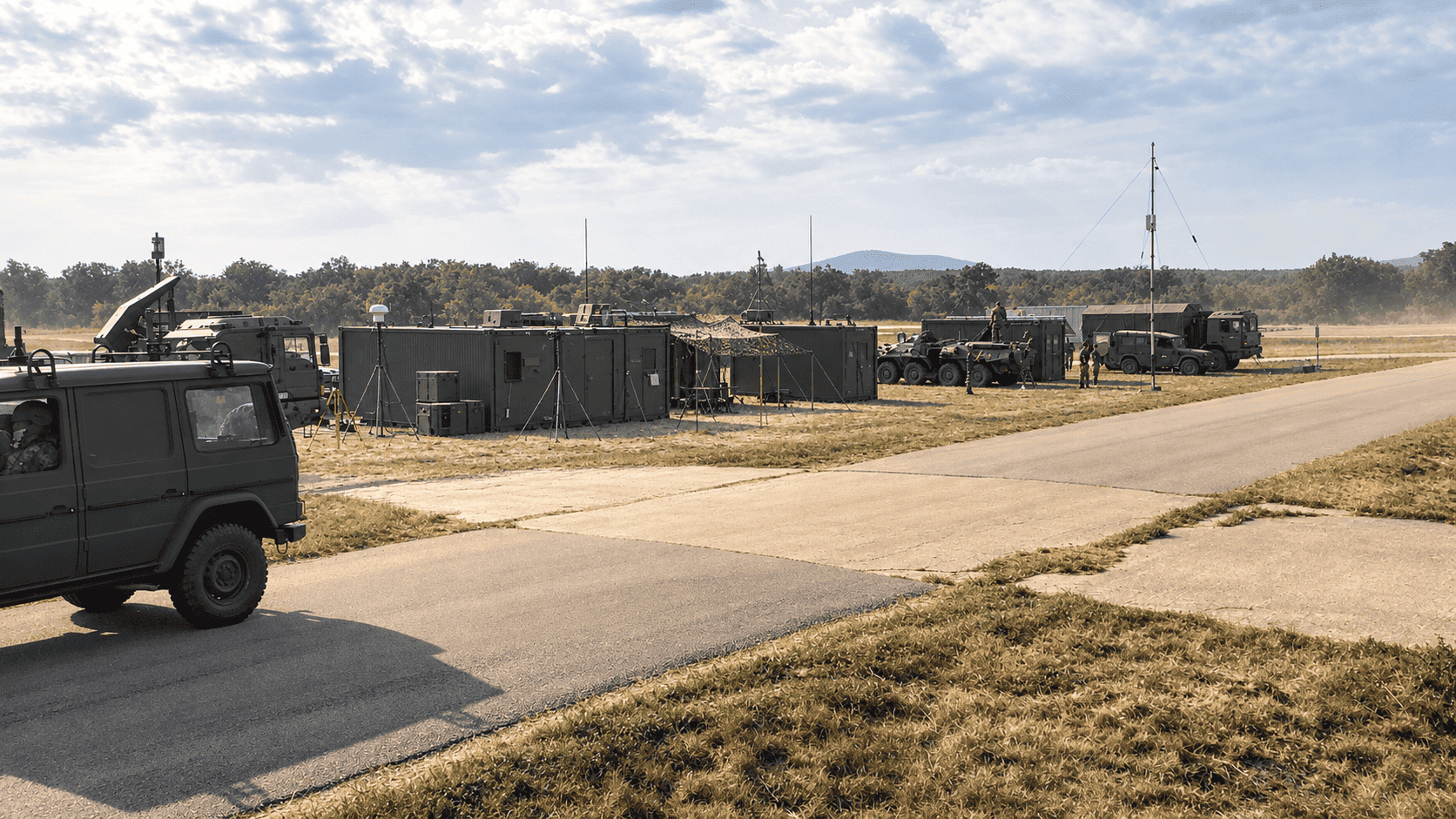
From Field Kitchens to Forward Bases: Modular Military Infrastructure
European defence forces are replacing traditional construction with modular, relocatable infrastructure that deploys in days and recovers when the mission ends. This article covers complete military facility planning, foldable container logistics, specialist modules, and a structured evaluation framework for procurement teams.

Modular Showrooms for Swiss Car Dealerships: Rent or Buy?
Swiss car dealerships face a clear infrastructure choice as EV brands expand and retail formats shift. This guide covers the rent-or-buy decision for modular showrooms and offices, including Swiss regulatory requirements, product specification, and practical project planning.
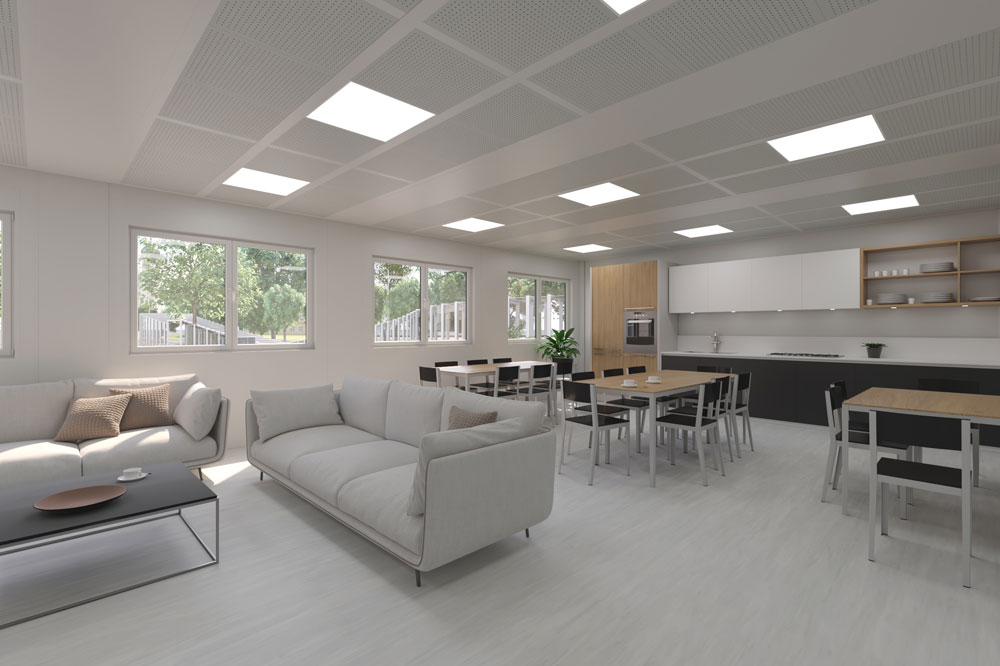
How to Plan a Complete Modular Business Site: Offices, Changing Rooms, Storage and More
Most businesses searching for a modular office actually need a complete operational site with offices, changing rooms, sanitary facilities, storage and welfare spaces. This guide explains how to plan, specify and coordinate a multi-function modular site as a single integrated project.
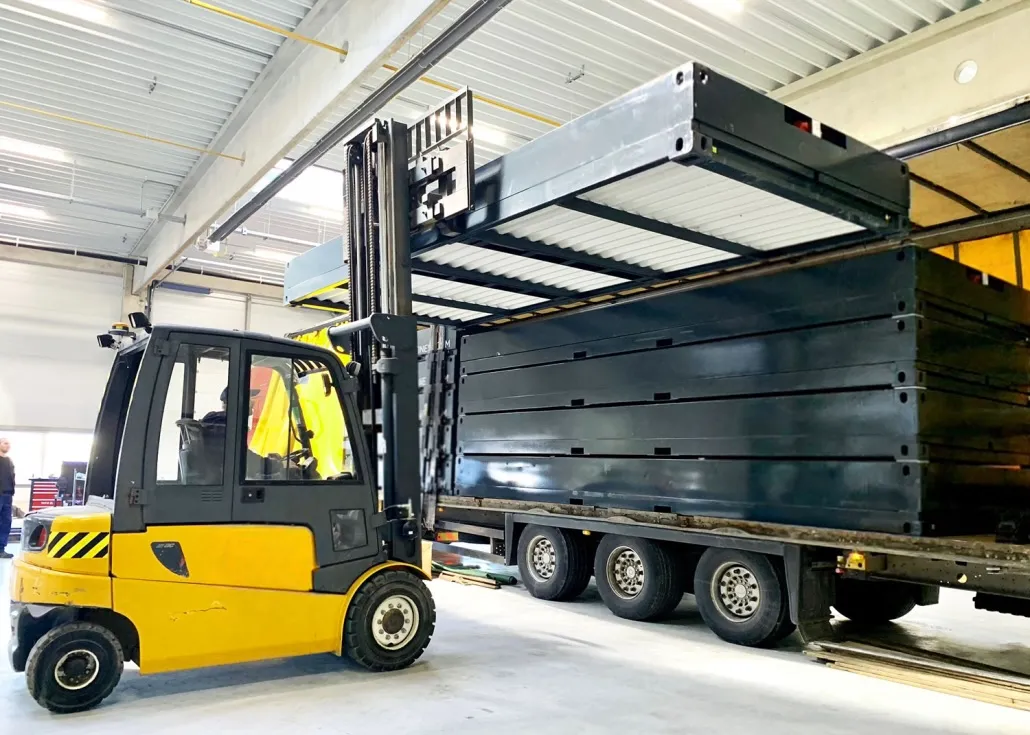
Foldable Containers Cut Construction Transport Emissions by 75%
Foldable containers collapse flat, allowing ten units per truck instead of one, cutting construction site transport emissions by up to 75%. This article provides worked CO2 calculations, Scope 3 reporting guidance, and practical planning detail for site managers.
Why Data Centres Are Going Modular
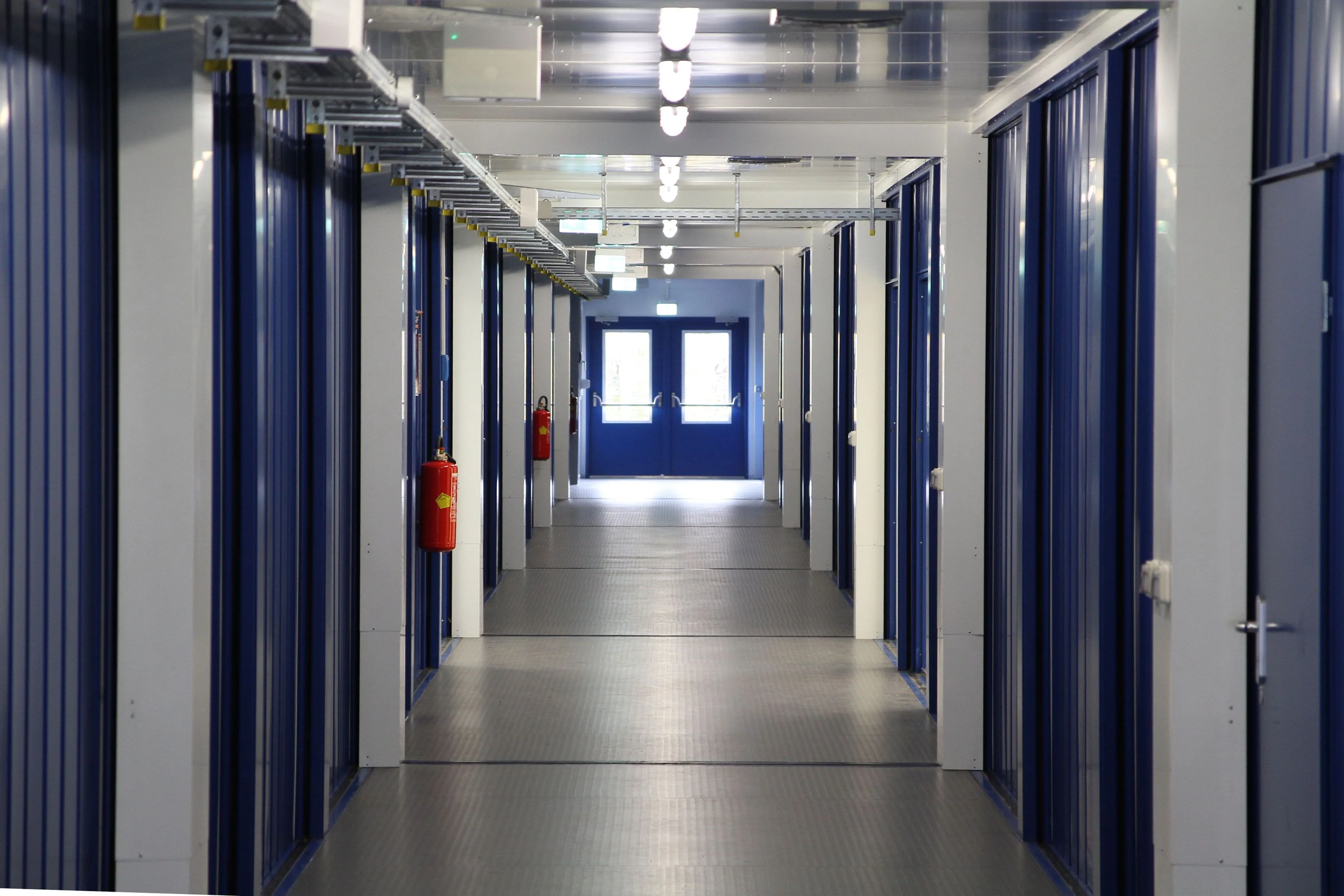
Containerised data centres offer a faster, more flexible alternative to traditional construction for edge, remote, and rapid-deployment computing needs. This guide covers how they work, where they excel, their honest limitations, and the engineering and commercial questions you need to resolve before committing.
Modular Homes: Office, Guest Room or Extra Living?
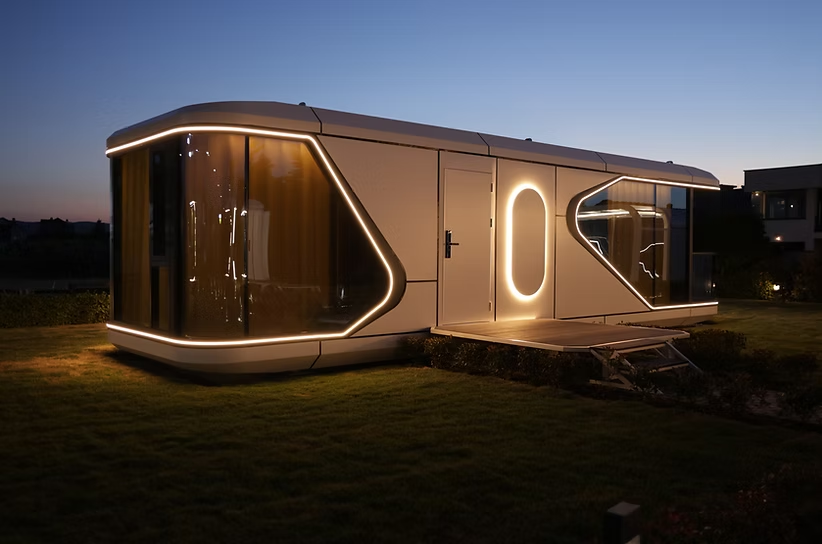
A factory-finished garden module in the mid five-digit range can deliver more usable space, faster, and with fewer hidden costs than most tiny houses or custom garden buildings at a similar or higher price. This article breaks down real pricing, timelines, specifications, and the practical trade-offs homeowners need to understand before committing.
Foldable Containers at Events:
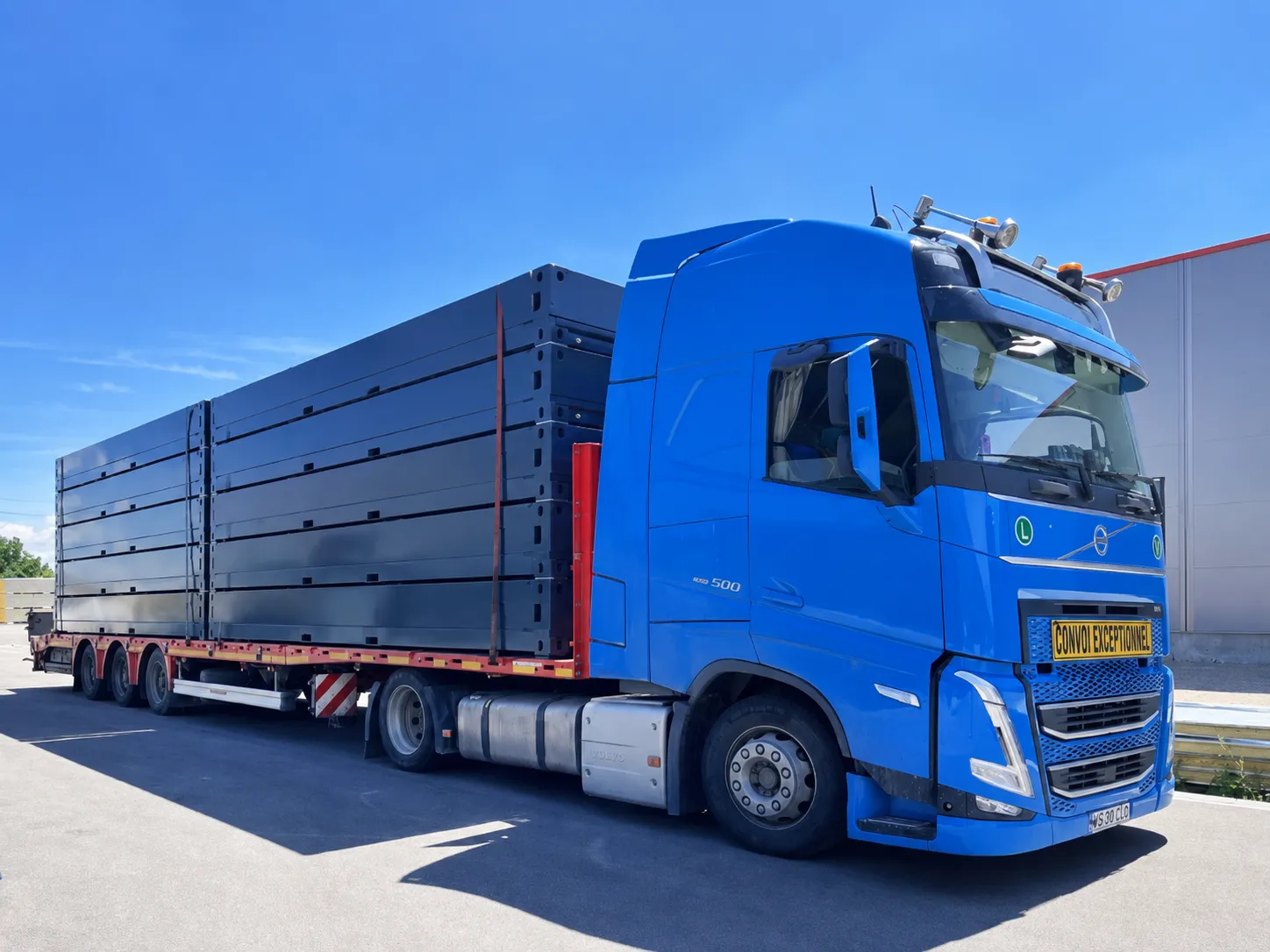
Foldable containers collapse to a fraction of their transport volume, allowing more units per truck and faster on-site erection without cranes. This article explains the mechanics, quantifies the logistics savings, and covers how to choose the right foldable system for deadline-driven event infrastructure.

Planning a Modular Healthcare Facility
This guide walks healthcare planners through the process of delivering a modular clinic or treatment facility, from defining clinical zoning and infection control requirements to setting realistic timelines and choosing an ownership model. It addresses the operational and regulatory detail that generic modular construction content consistently overlooks.
Container Cafe Deployment
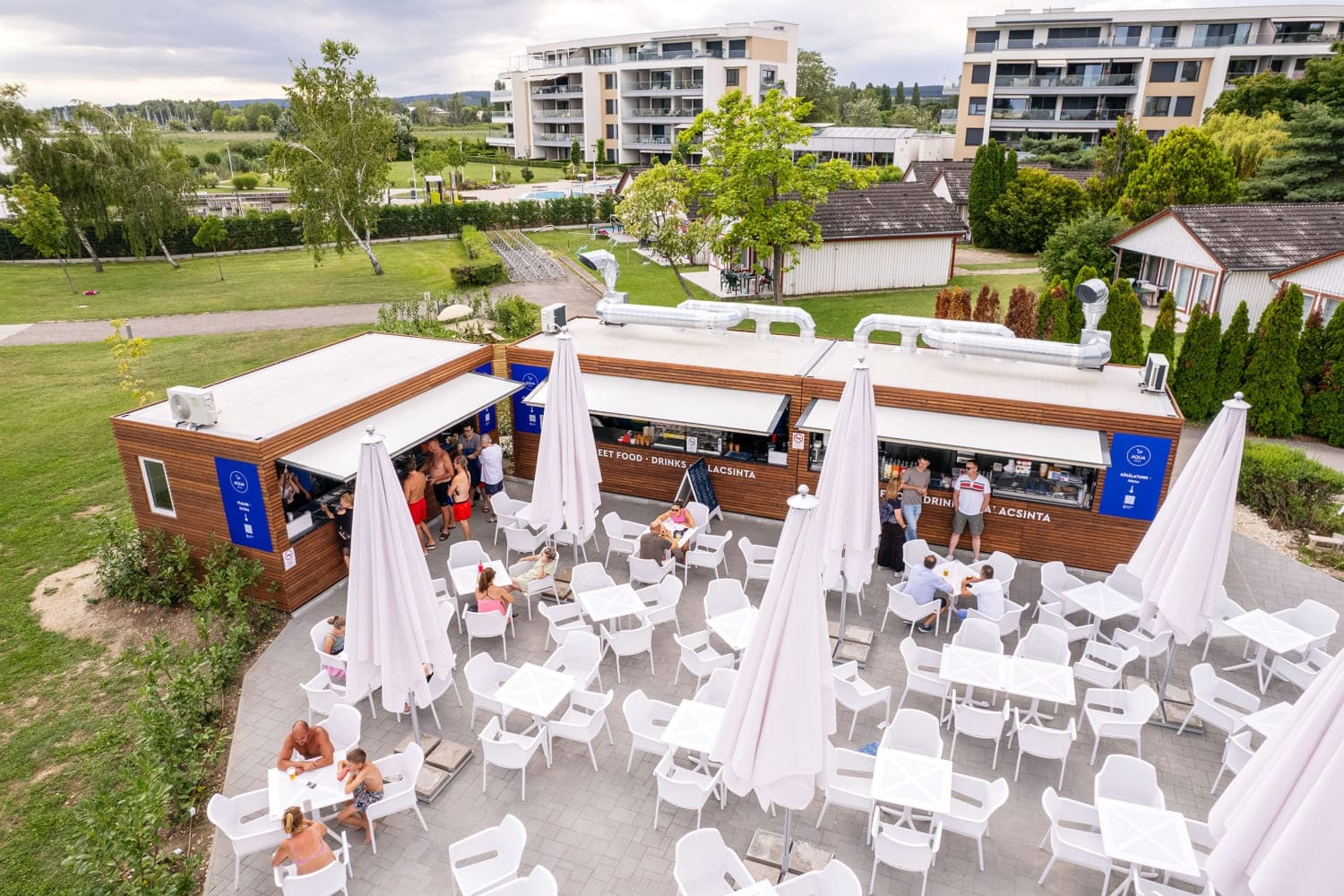
This article breaks down realistic deployment speeds for container cafes and container bars, comparing foldable flat-pack systems, pre-fitted modular units, and bespoke builds. It covers the compliance, logistics, and commercial decisions event organisers need to make when the timeline is non-negotiable.
Book a free consultation
Open, non-binding and tailored to your project.