Container Cafe Deployment
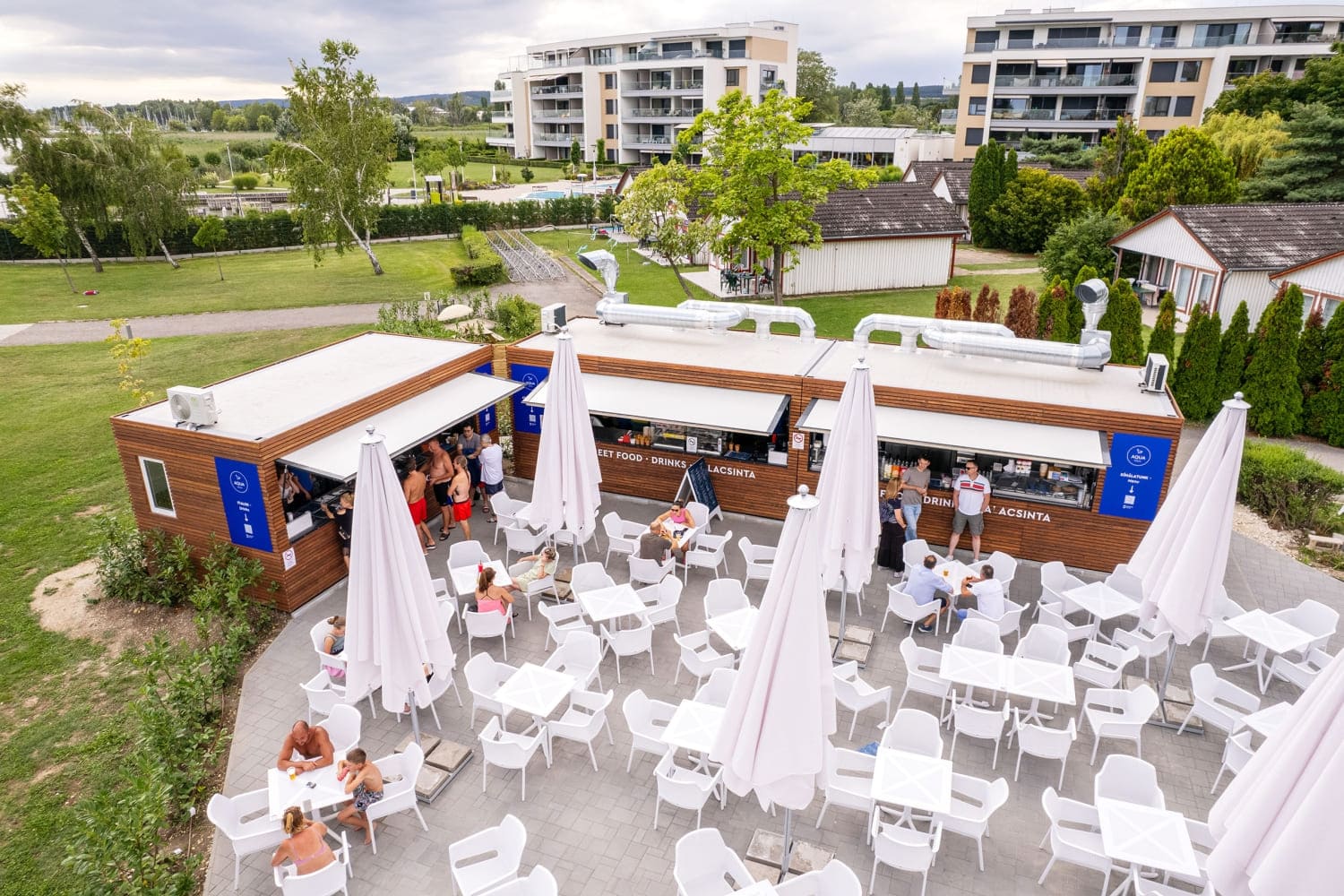
Why Deployment Speed Is the Real Question Behind Every Container Cafe
If you are planning a container cafe or container bar for an event, a seasonal activation, or a touring brand, the question you actually need answered is not "what does it look like?" but "how fast can it be serving customers after it arrives on site?" The answer ranges from under ten minutes to several weeks, depending entirely on the system type you choose and how much preparation happens before the unit reaches your site. This article gives you the deployment spectrum, the variables that affect real-world setup time, the compliance steps you cannot skip, and a framework for choosing the right commercial model.
The Deployment Spectrum: Minutes, Hours, or Weeks for a Container Cafe
There is no single answer to how quickly a container cafe opens. The timeline depends on the category of unit, and the critical distinction is between production lead time (how long until the unit exists and is ready to ship) and on-site deployment time (how long from truck arrival to first customer served).
Foldable and flat-pack container kiosks
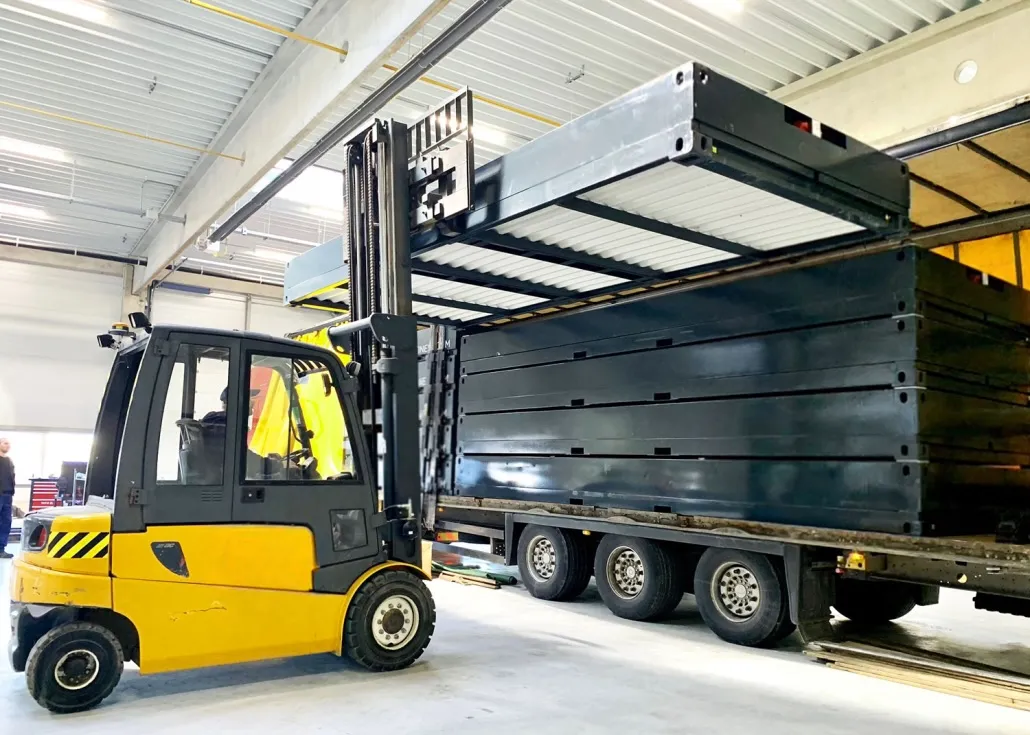
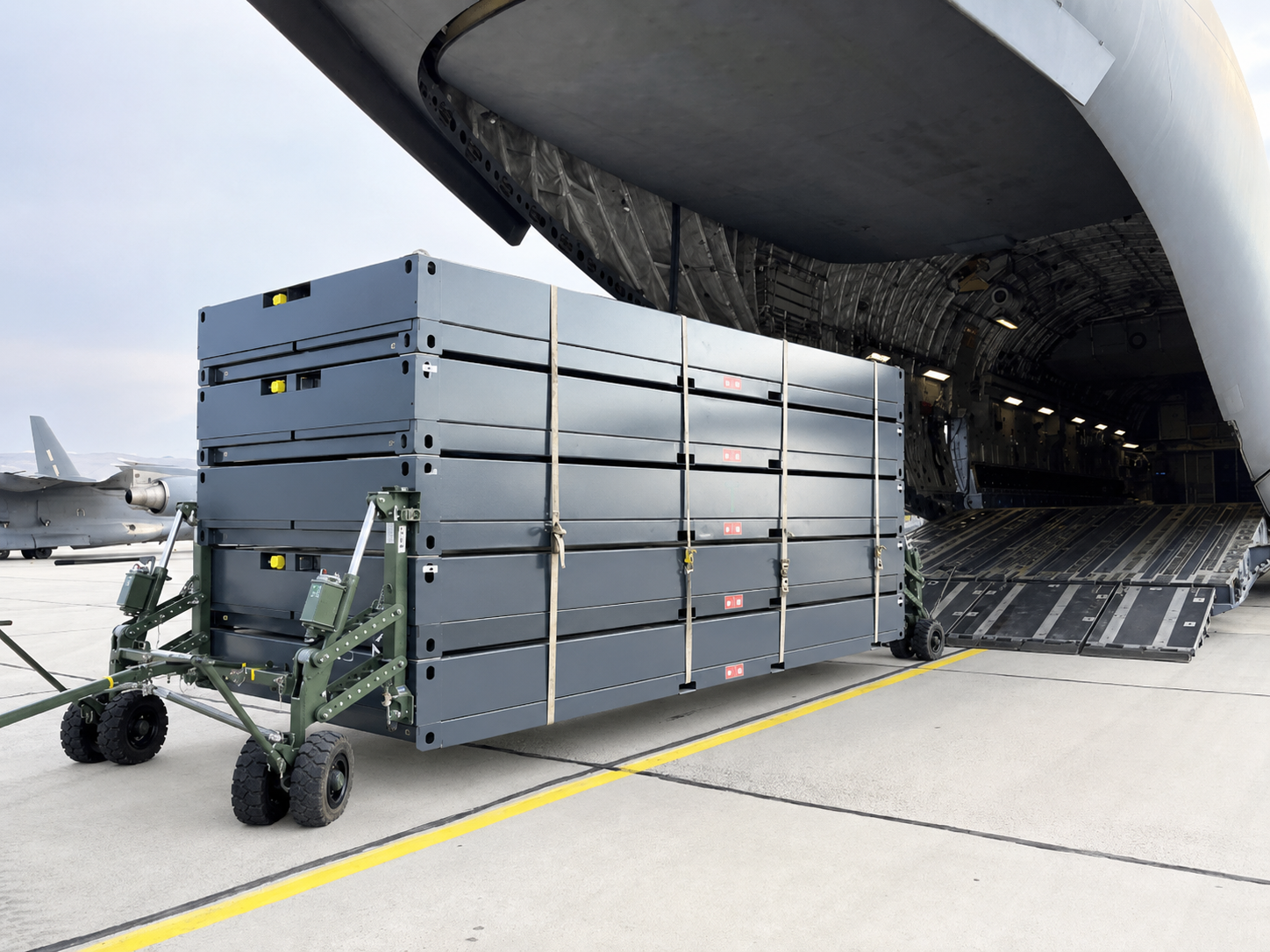
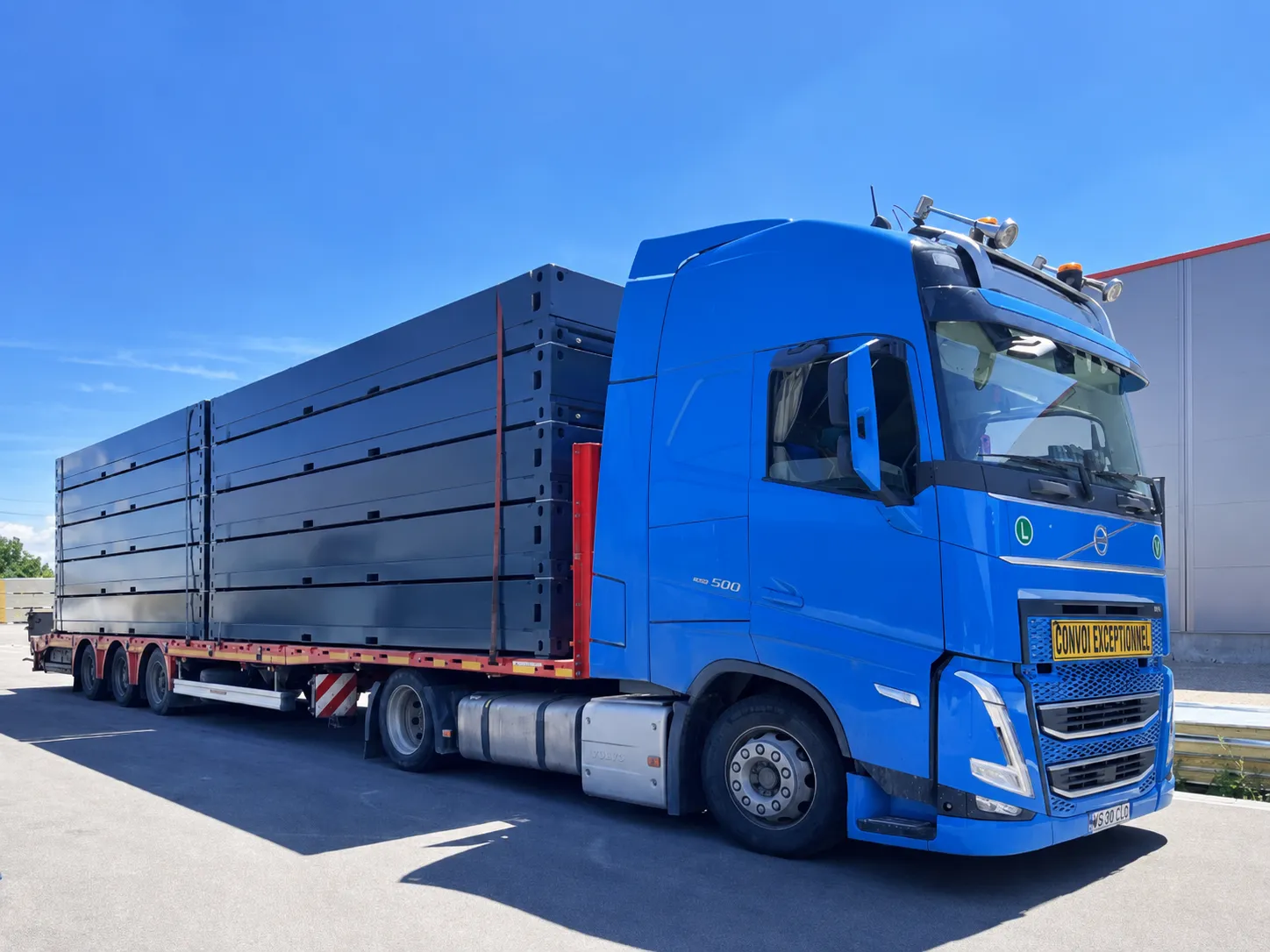
Patented foldable systems ship collapsed, often several units on a single truck. On site, they expand and lock into position without cranes. Some designs are operational in under ten minutes. These are the fastest category for load-in and are purpose-built for situations where site access time is measured in hours, not days.
Pre-fitted modular container bars and cafes
A standard 20ft or 40ft container that has been fully fitted out off-site (counter, refrigeration, electrics, plumbing, ventilation, branding) typically cranes into position in 15 to 30 minutes. Utility connection and commissioning then take two to four hours, assuming power and water are pre-laid to the pitch. If you are running generators and water tanks instead, add time for those setups.
Custom-built bespoke units
Fully bespoke container conversions with architect-designed interiors take six to twelve weeks from order to completion. But the on-site installation clock is the same as any pre-fitted unit: hours, not days. The long lead time is in the factory, not on your event site.
Traditional temporary structures
Timber builds, marquees with fitted bars, and scaffold-based food stalls typically require days to weeks of on-site construction, plus their own inspection and sign-off cycle. They also generate considerably more waste and noise during build, which matters on sites with neighbours or overlapping events.
The practical takeaway: if your load-in window is tight, the system type you select determines whether you spend that window waiting for a crane slot or already stocking the fridge.
What Makes a Container Cafe Event-Ready
An event-ready container cafe is one that arrives on site needing only utility connection and stock before it can trade. That means the following have already been completed off-site during fit-out.
Fit-out and equipment
- Electrical distribution board, lighting, sockets, and any extraction or ventilation ducting, all wired and tested before dispatch
- Plumbing for sinks, hot water, and any drainage, pressure-tested and certified
- Serving counter, shelving, and refrigeration units installed and secured for transport
- Food-safe surfaces on all preparation and serving areas
- Point-of-sale infrastructure: power for card terminals, data cabling or provision for mobile connectivity
- Branding wraps and signage applied before delivery so no on-site finishing is needed
What equipment is needed for a container cafe?
At minimum, a food-service container cafe requires a commercial sink with hot and cold water, food-grade preparation surfaces, refrigeration, adequate lighting, mechanical extraction if you are cooking with heat or oil, a fire extinguisher appropriate to the cooking method, and a hand-wash basin separate from the food-prep sink. If you are serving only coffee and pre-packaged items, the extraction requirement drops away, which simplifies the fit-out and speeds commissioning.
Security and weatherproofing
A properly specified container cafe locks down completely when unattended. Steel construction provides inherent security that tent-based or timber pop-ups cannot match. This matters for overnight periods during multi-day festivals when expensive equipment sits on site.
Foldable Systems: The Fastest Path from Truck to Trade
Foldable container technology is the category most event organisers have not yet encountered, and it changes the logistics equation substantially.
A foldable container cafe or kiosk ships collapsed to a fraction of its operational height. Because the units are flat-packed, you can fit multiple units on a single standard trailer. On arrival, the unit expands and locks into a rigid, weatherproof structure without cranes, specialist plant, or skilled labour beyond the delivery crew.
Where foldable container kiosks make the strongest case
- Touring brand activations where the same unit visits ten or twenty sites in a season. The logistics saving from flat-pack transport compounds with every move.
- Festivals and events where crane access is limited or crane hire adds significant cost.
- Multi-unit deployments: branded pop-up bars, coffee stands, ticketing points, or merchandise kiosks where you need several identical units and want to minimise truck movements.
- Sites with poor ground conditions or restricted access where a heavy crane cannot operate safely.
The trade-off is that foldable units are optimised for speed and portability rather than deep customisation. If you need a full commercial kitchen with extraction hoods and grease traps, a pre-fitted standard container is likely more appropriate. If you need a coffee counter, a cocktail bar, or a retail kiosk, a foldable system gets you trading while a conventional unit is still waiting for the crane.
HEPF note: HEPF's FL Retail Line is a patented foldable point-of-sale unit designed for pop-ups, kiosks, ticketing, and event retail. It deploys in minutes and ships flat. HEPF has delivered modular event infrastructure for the World Economic Forum in Davos and UEFA Women's Euro 2025.
Factors That Affect Real-World Container Cafe Deployment Speed
The unit itself is only part of the equation. These site and planning variables determine whether your container bar opens on schedule or sits idle.
Site access and ground conditions
A standard 20ft shipping container is approximately 6.06m long, 2.44m wide, and 2.59m tall. A 40ft unit is 12.19m long. You need a delivery route that can accommodate a skeletal trailer, and if the unit requires crane placement, you need hardstanding or ground mats rated for the crane's outrigger loads. Soft ground, narrow gates, overhead cables, and trees are the most common access problems, and they are all avoidable with a site survey before you commit to a unit size.
Foldable units sidestep most of these problems because they do not require cranes and weigh less per unit.
Utility connections
If power and water are pre-laid to your pitch with appropriate capacity, connection takes an hour or two. If you are relying on generators and bowsers, factor in delivery and commissioning time for those as well. Temporary electrical installations at events in the UK should comply with BS 7909. All fixed wiring in the unit itself should meet BS 7671 (18th Edition IET Wiring Regulations).
Permitting and local authority approvals
This is the variable that catches people out, because it operates on a completely different clock from the physical deployment.
- Food hygiene registration: In England, Wales, and Northern Ireland, you must register with your local authority at least 28 days before you start trading. This is free but non-negotiable. You also need a documented food safety management system based on HACCP principles, as required by Regulation (EC) No 852/2004.
- Alcohol licensing: Under the Licensing Act 2003, short-term events in England and Wales can use a Temporary Event Notice (TEN), which permits licensable activities for up to 168 hours for up to 499 attendees. TENs must be submitted at least ten working days before the event (late TENs require at least five working days). There are annual caps: a personal licence holder can submit 50 TENs per year, and a premises can have 15 TENs per year. For anything larger or longer, you need a Premises Licence, which takes weeks to process.
- Planning permission: In England, temporary structures on land can often fall under Permitted Development rights (Town and Country Planning (General Permitted Development) (England) Order 2015, Part 4), allowing temporary use for up to 28 days per calendar year without formal planning consent. Beyond that threshold, or for permanent placement, full planning permission applies. Check with the local planning authority before assuming your use qualifies.
Start the paperwork the moment you confirm the event. A container bar that arrives on time but cannot legally serve is worse than one that arrives late.
Number of units and configuration complexity
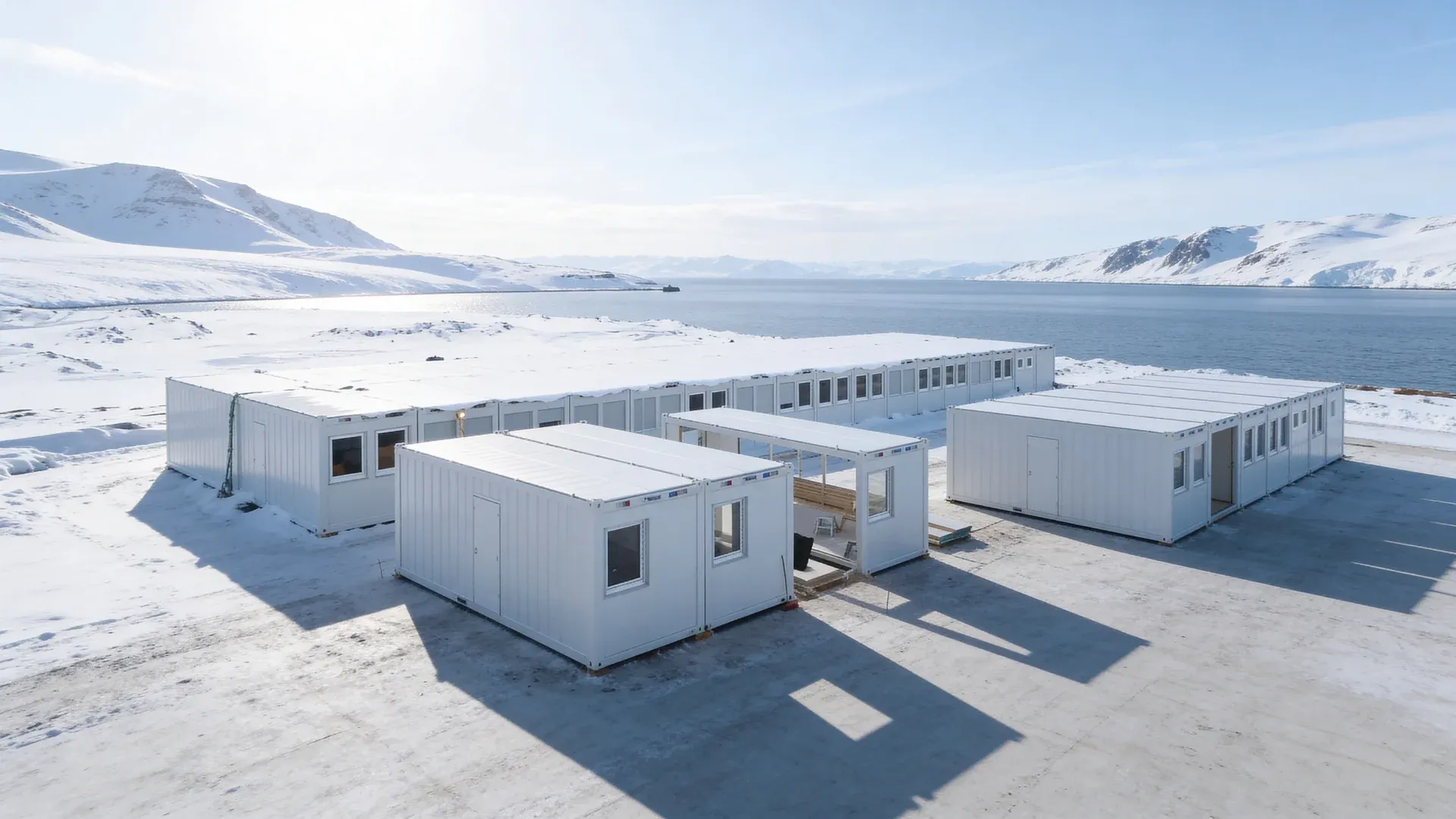
A single standalone container cafe is straightforward. A linked multi-unit bar or food court, where several containers are joined with walkways, shared roofing, or combined utility runs, multiplies the on-site work. Plan linked configurations with generous setup time, and ensure structural connections between units are designed and tested off-site.
Container Bar vs. Container Cafe: Does the Use Case Change the Timeline?
In practice, a container bar is usually faster to commission than a container cafe, because the fit-out is simpler. A bar needs a counter, refrigeration, shelving, a sink, and power. A cafe serving hot food adds mechanical extraction, food-safe preparation surfaces, hot water at sufficient volume, and waste management (grease traps, food waste separation).
Both benefit enormously from off-site pre-fit. The guiding principle is that every hour of work completed in the factory is an hour you do not spend on site. If your container cafe arrives with extraction already ducted and plumbing already pressure-tested, the on-site commissioning drops to utility connection and a final check.
Sanitary and waste connections are the typical bottleneck for food-service units. If your event site has no mains drainage, you need a waste-water holding tank and a scheduled pump-out service. Plan this before delivery day, not during it.
HEPF note: HEPF's Sanitary Line provides fresh-water systems, accessible bathrooms, and hygiene facilities that can be coordinated alongside food and beverage container units as a single project, rather than sourced from multiple suppliers.
What exactly is a container restaurant?
A container restaurant is a food-service venue built inside one or more repurposed or purpose-built shipping containers, fitted out with a commercial kitchen, customer-facing serving area, and often seating. It differs from a food truck in that it is not self-propelled. It differs from a traditional pop-up in that the structure is steel, factory-finished, and reusable across multiple sites or seasons. Some container restaurants are permanent installations on long-term sites; others are designed for repeated deployment at events.
Are container cafes mobile?
They are relocatable rather than mobile in the way a food truck is. A standard container cafe moves by truck and crane. A foldable container kiosk moves by truck and can be set up without a crane, making it more practically mobile for operators who shift between sites frequently. Neither drives itself to the next pitch.
Rent, Buy, or Rotate: Choosing the Right Commercial Model
The commercial model should follow the use case, not the other way around.
- Short-term hire suits one-off events, product launches, and seasonal markets where you need a unit for days or weeks. You avoid capital outlay and return the unit at the end.
- Purchase makes sense for touring brands or operators running multiple activations per year. You control the unit's specification, branding, and availability. Over a season of ten or more deployments, ownership usually costs less per use than repeated hire.
- Lease or buy-back arrangements suit organisations testing a concept. You commit to a unit for a defined period, and if the concept does not scale, you return it rather than selling on the second-hand market.
The right model depends on how many times you will deploy, how bespoke the fit-out needs to be, and whether you have storage between events.
HEPF note: HEPF offers rent, buy, lease, and buy-back options across its product lines, allowing event operators to match the commercial model to the activation type.
What business can I start in a container?
Almost any customer-facing retail or food-service business that does not require large floor area. Coffee shops, cocktail bars, juice bars, street food kitchens, ice cream stands, retail pop-ups, ticket offices, and information points all work well. The constraint is not the container itself but the utility connections, licensing, and site permissions. If you can legally trade from a market stall in a given location, you can almost certainly trade from a container, with better security, weather protection, and brand presence.
Beyond the Box: Why "Deployed" Does Not Mean "Done"
Getting the container cafe on site and connected is the structural milestone, not the operational one. Before you open the hatch, you still need to complete the following.
- Staff briefing on the layout, equipment, and emergency procedures specific to the unit
- Stock loading and cold-chain verification for perishables
- Electrical testing: run every circuit, every appliance, every light. Test card terminals and connectivity.
- Licensing documents displayed where required
- Fire safety: extinguisher accessible, escape route clear, fire risk assessment completed as required by the Regulatory Reform (Fire Safety) Order 2005
- Contingency planning: backup generator on standby if you are relying on temporary power, weather protection for external queuing areas
Post-event, the speed advantage of container systems continues. Foldable units collapse for rapid load-out, often in the same timeframe as setup. Standard containers crane off in under an hour. Compare that to days of dismantling a timber-built bar and clearing the site. If you are paying site fees by the day, fast load-out is worth as much as fast load-in.
.webp)

Book a free consultation
Open, non-binding and tailored to your project.