Modular Showrooms for Swiss Car Dealerships: Rent or Buy?
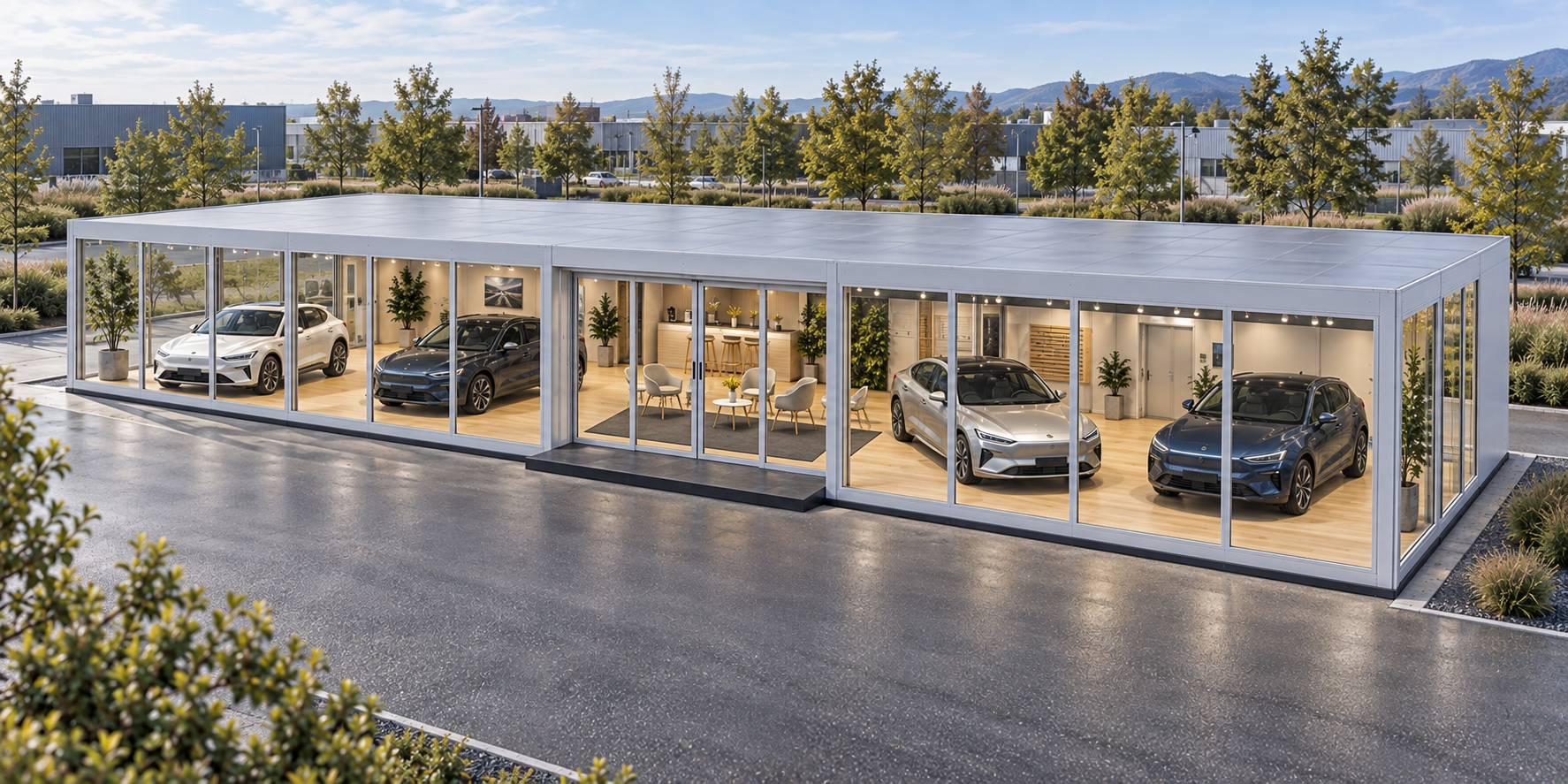
Why Swiss Car Dealerships Are Looking at Modular Showrooms
The Swiss automotive retail market is being reshaped by two forces at once. First, new entrants, particularly EV-native brands such as BYD, NIO, Polestar, and Lynk & Co, need physical showroom presence in Swiss cities quickly but without the multi-year commitment of a traditional build. Many of these brands operate direct-to-consumer models, meaning they need their own retail spaces rather than relying on existing franchise dealer networks. Second, established dealer groups are rethinking their property footprints: testing secondary locations, adding temporary capacity during renovations, or creating pop-up experiences for vehicle launches.
Traditional construction in Switzerland is neither fast nor cheap. Planning and permit timelines measured in months or years, combined with high build costs, make conventional showroom projects a poor fit for a market where brand partnerships can shift, franchise agreements have defined terms, and the transition from combustion to electric is changing which brands need space and where.
Modular buildings offer a different path. A showroom, sales office, customer lounge, or service reception built from configured modular units can be operational in weeks rather than months. Critically, modular does not have to mean basic. For a brand-sensitive environment like automotive retail, where the physical space is part of the product experience, modular systems now exist at specification levels that meet premium brand standards, including large glazed facades, climate control, quality interior finishes, and custom branding.
The question is not whether modular works for car dealerships. It does. The question is whether you should rent or buy, and what Swiss-specific rules you need to account for. This guide walks you through that decision.
Matching Modular Systems to Dealership Functions
A car dealership is not a single room. It is a collection of spaces with very different requirements, and one of the practical advantages of modular infrastructure is that you can match different specification levels to different functions on the same site.
Customer-facing showrooms and lounges
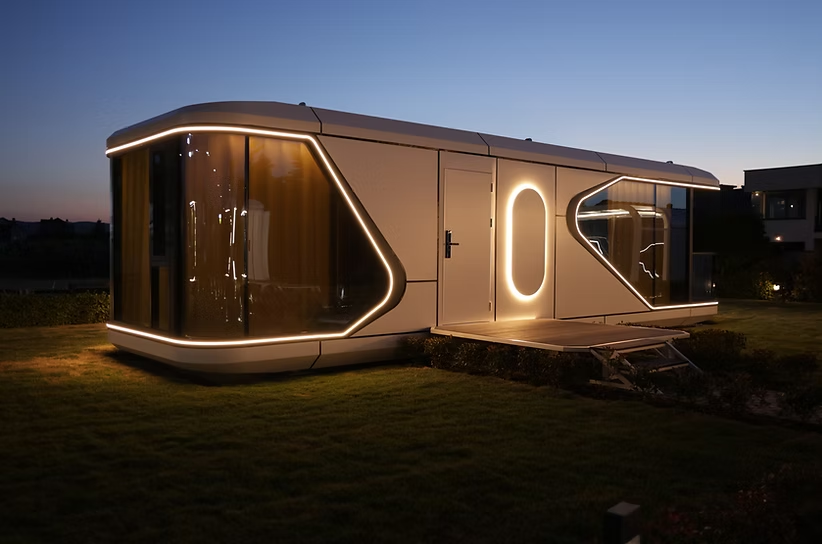
These spaces carry the brand. They need premium finishes, generous glazing for natural light and vehicle visibility, effective climate control (especially important with large glass areas that create solar gain), and enough electrical capacity for lighting, screens, and potentially EV charging demonstrations. Acoustic performance matters if the showroom is adjacent to a service area. The Plus Line category of modular buildings is designed for exactly this kind of public-facing, architecturally demanding application, with higher thermal performance and finish quality than standard modular units.
Sales offices and administrative areas
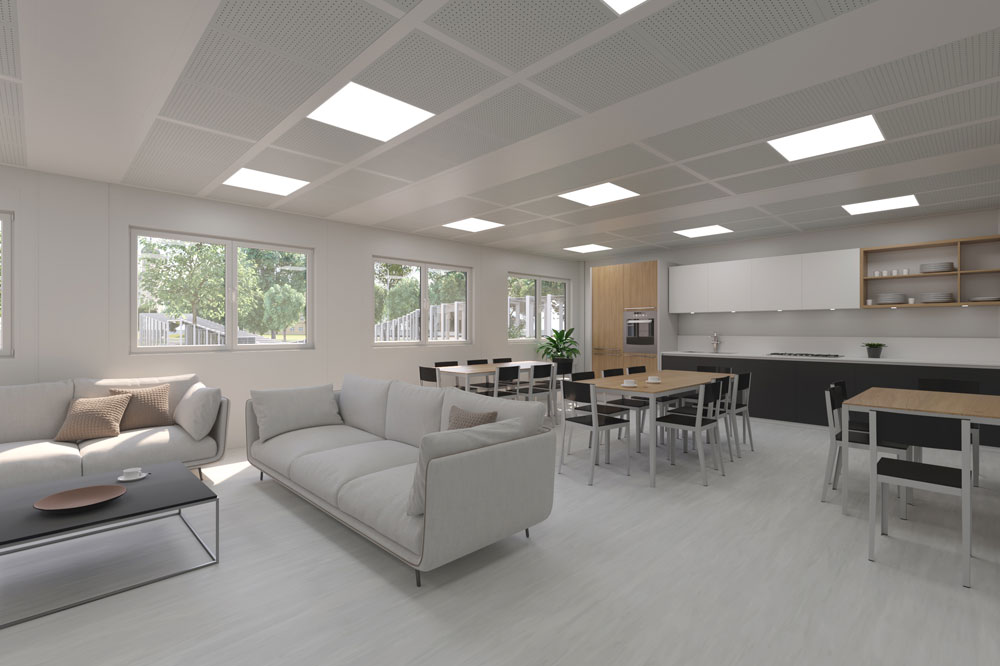
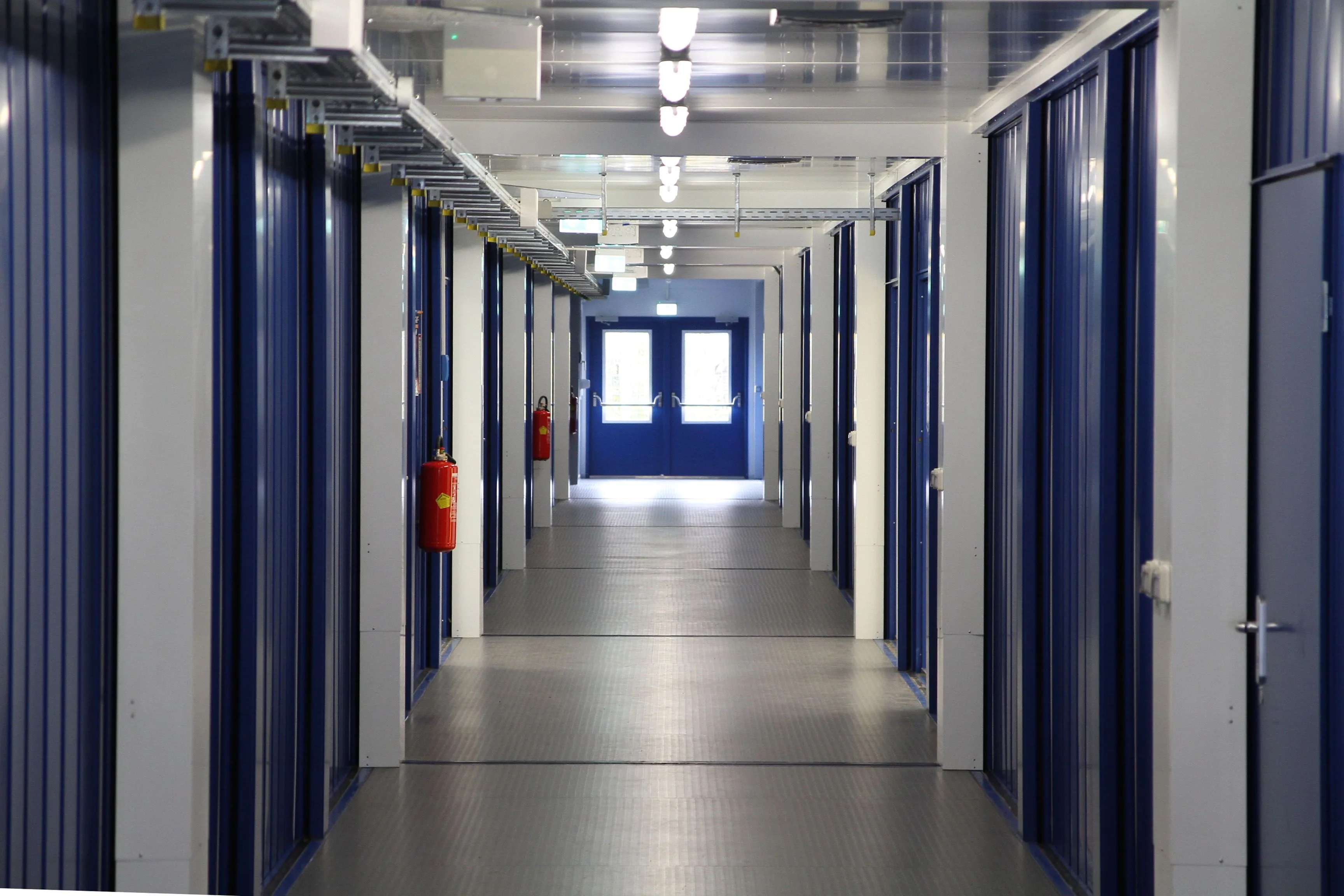
Behind the showroom, the requirements shift. Sales desks, finance offices, and management spaces need to be functional, well-lit, and properly ventilated, but do not require the same level of architectural finish. A Classic Line specification, a reliable mid-range standard, typically covers these needs well without over-spending.
Service reception, parts counters, and workshop offices
These are working environments. Durability, practicality, and ease of cleaning matter more than aesthetics. A Basic Line configuration is often the right fit: economical, fast to deploy, and functional.
Storage for parts, tyres, and accessories
Secure, weather-resistant, lockable storage units can be integrated into the same site layout. If you are configuring a modular dealership campus, storage modules sit alongside the showroom and office units, managed under the same project.
Sanitary and staff welfare
Often overlooked in early planning, but you will need toilets, potentially showers, and accessible facilities for both staff and customers. These can be specified as dedicated sanitary modules and combined on-site with the rest of your layout.
The point is that a single modular infrastructure partner can configure an entire dealership site, from the premium showroom through to the back-of-house storage, rather than you coordinating multiple suppliers for different elements.
When Renting a Modular Showroom Makes Sense
Renting is the right model when your need is defined by uncertainty, short duration, or a deliberate test-and-learn strategy.
Market entry and location testing
If you are a brand entering the Swiss market, or a dealer group testing a new canton, renting lets you validate demand before committing capital. You get a physical presence in Zurich, Basel, Geneva, or wherever the opportunity lies, without the financial exposure of ownership. If the location does not perform, you return the units and move on.
Pop-up showrooms and campaign-driven needs
Vehicle launches, seasonal campaigns, test-drive experiences outside traditional exhibition halls: these are inherently time-limited. Renting modular showroom space for a few weeks or months is straightforward and avoids tying up assets in a short-term activity.
Sites under redevelopment
If your permanent dealership is being renovated or rebuilt, a rented modular showroom on an adjacent plot keeps the business running without interruption. Once the permanent facility is ready, the modular units are removed.
Financial structure
Rental is an operating expense (OpEx), not a capital expenditure. For businesses managing cash flow carefully, or for franchise operators whose brand agreements have defined terms, this can be the more appropriate financial treatment. Monthly costs are predictable and there is no depreciation to manage.
Rental periods for modular commercial buildings in Switzerland typically range from a few months to several years, with the option to extend if your situation changes.
When Buying a Modular Showroom Makes Sense
Buying is the right model when you have a clear long-term use case and want to maximise the value of your investment over time.
Long-term or permanent locations
If the modular showroom will serve a location for three years or more, the cumulative cost of rental typically exceeds the purchase price. Ownership becomes the more economical option, and you hold an asset rather than paying ongoing rental fees.
Extensive customisation
Branded facades, integrated digital displays, bespoke interior layouts, and specific technical installations (such as high-capacity electrical systems for EV charging demonstrations) are easier to justify when you own the building. Heavy customisation on a rented unit is possible but less practical, as you may need to reverse changes at the end of the rental period.
Asset ownership and balance sheet considerations
A purchased modular building is a fixed asset under Swiss accounting standards (whether Swiss GAAP FER or IFRS). For dealer groups reporting to investors or brand principals, owning infrastructure assets can be more favourable than carrying ongoing rental costs. Depending on the canton and the permanence of the installation, cantonal commercial property tax (Liegenschaftssteuer) may apply to an owned modular building, so factor this into your total cost calculation.
Redeployment and resale value
Unlike a traditional building, a modular showroom can be disassembled and relocated to a new site if your dealership network changes. It can also be sold. This gives purchased modular buildings a residual value that traditional construction rarely offers.
The Hybrid Approach: Rent Now, Buy Later
The rent-or-buy decision does not have to be binary. Several commercial structures bridge the two.
Rent-to-own conversion
You start with a rental agreement to prove the location and business case. Once you are confident the site works, you convert to purchase, often with some portion of rental payments credited toward the purchase price. This reduces risk without closing off the ownership option.
Buy-back arrangements
You purchase the modular building but with a pre-agreed buy-back option. If your brand partnership ends, the franchise agreement is not renewed, or the market shifts, you have a defined exit route. This is particularly valuable in automotive retail, where the relationship between brands and dealers can change with relatively short notice.
Leasing
Leasing structures sit between rental and purchase. They can offer balance-sheet advantages (depending on accounting treatment) and predictable costs, while giving you use of a customised building over a defined term.
The flexibility to move between these models, rather than being locked into one from the start, is one of the genuine advantages of modular infrastructure for an industry as commercially dynamic as automotive retail.
Swiss Regulatory Considerations You Cannot Ignore
Modular does not mean unregulated. If you are placing a modular showroom on a site in Switzerland, several legal and regulatory requirements apply.
Do I need a building permit for a modular showroom in Switzerland?
In most cantons, yes. Even temporary or modular structures typically require a Baubewilligung (building permit) if they will be in place for more than a few weeks. The specific thresholds and processes vary by canton and municipality. Do not assume that because a building is modular or temporary it is exempt from permitting. Start the permit conversation early, as it is often the longest lead-time item in the project.
Energy performance standards
Modular commercial buildings must comply with cantonal energy regulations. The framework is MuKEn 2014 (Mustervorschriften der Kantone im Energiebereich), the model energy code that cantons adopt and adapt. Requirements cover thermal insulation, heating systems, and overall energy performance. Some cantons have adopted MuKEn 2014 fully, others partially, and specifics vary. For premium showroom applications, the voluntary Minergie standard may also be relevant, particularly if the automotive brand you represent values sustainability credentials for its retail environments.
Accessibility
The Behindertengleichstellungsgesetz (BehiG), Switzerland's federal disability equality law, requires public-facing commercial premises to be accessible. This means barrier-free access, accessible sanitary facilities, and consideration of wheelchair users and people with mobility limitations in your layout planning. This applies to modular buildings in the same way as traditional ones.
Zoning
Automotive retail typically falls within commercial or industrial zones under the Raumplanungsgesetz (RPG), the federal spatial planning law. Verify zoning with the relevant municipality before committing to a site. A location that is zoned for general commercial use may not automatically permit vehicle sales, display, or test-drive activities.
Other considerations
Noise regulations (relevant if you have a service workshop or test-drive area), signage restrictions, and environmental requirements for EV charging infrastructure may all apply depending on your specific site and canton.
What a Modular Dealership Project Looks Like in Practice
If you have not been through a modular building project before, here is what to expect.
Needs assessment
You define the scope: how many vehicles will be displayed, expected customer footfall, staff numbers, which functions need to be on-site (showroom, offices, storage, sanitary), and any brand guidelines that dictate architectural standards.
Configuration and layout
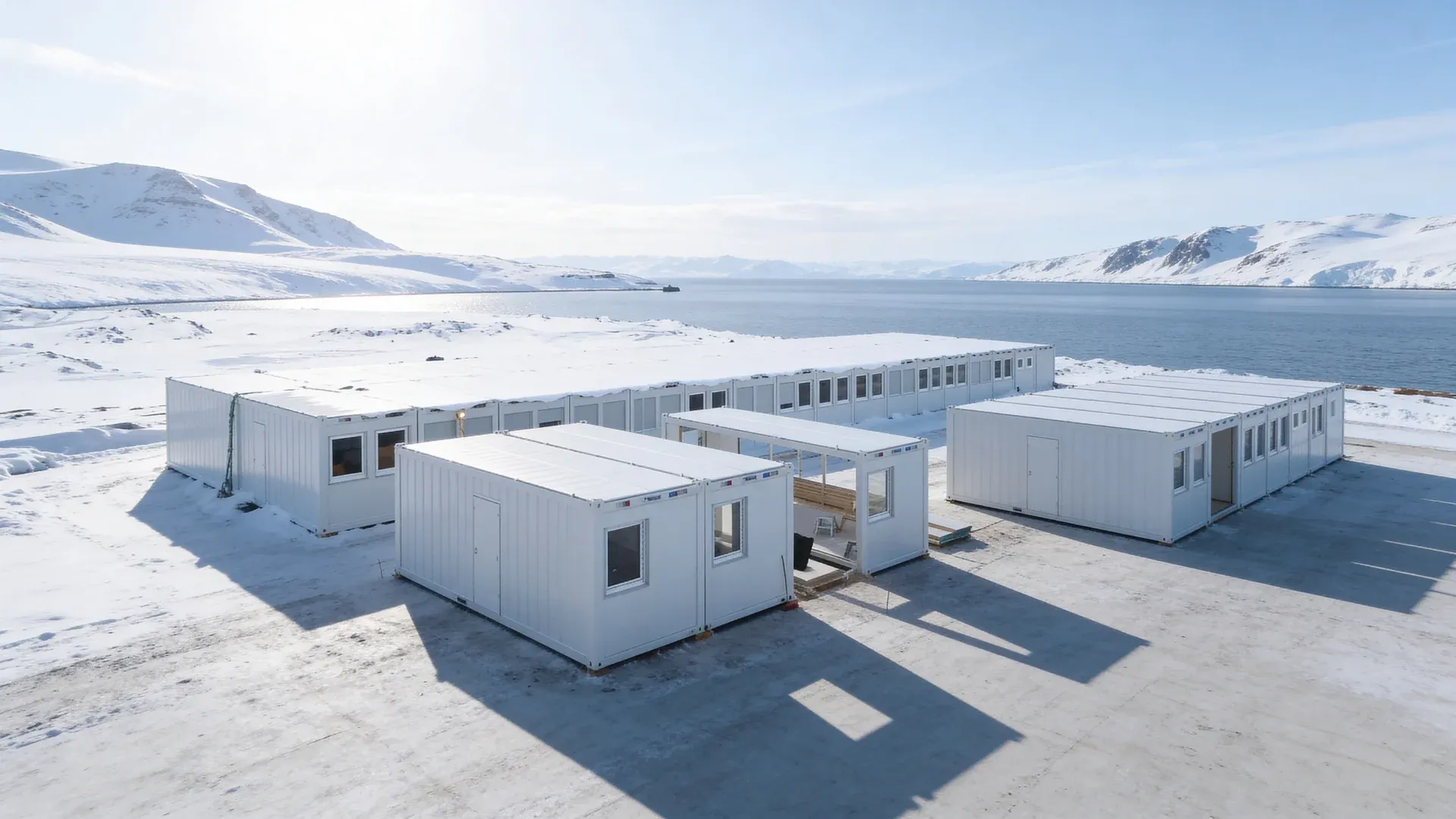
Modular units are combined into a coherent floor plan. A showroom displaying three to six vehicles, a customer lounge, two sales offices, a storage unit, and sanitary facilities might be assembled from a combination of Plus Line, Classic Line, Basic Line, Storage, and Sanitary modules. The layout is planned as an integrated site, not a collection of boxes.
Sourcing
The right product line is matched to each function. This is where working with a partner who holds a full product portfolio matters: you do not want to source your showroom from one supplier, your offices from another, and your storage from a third.
Delivery, installation, and site coordination
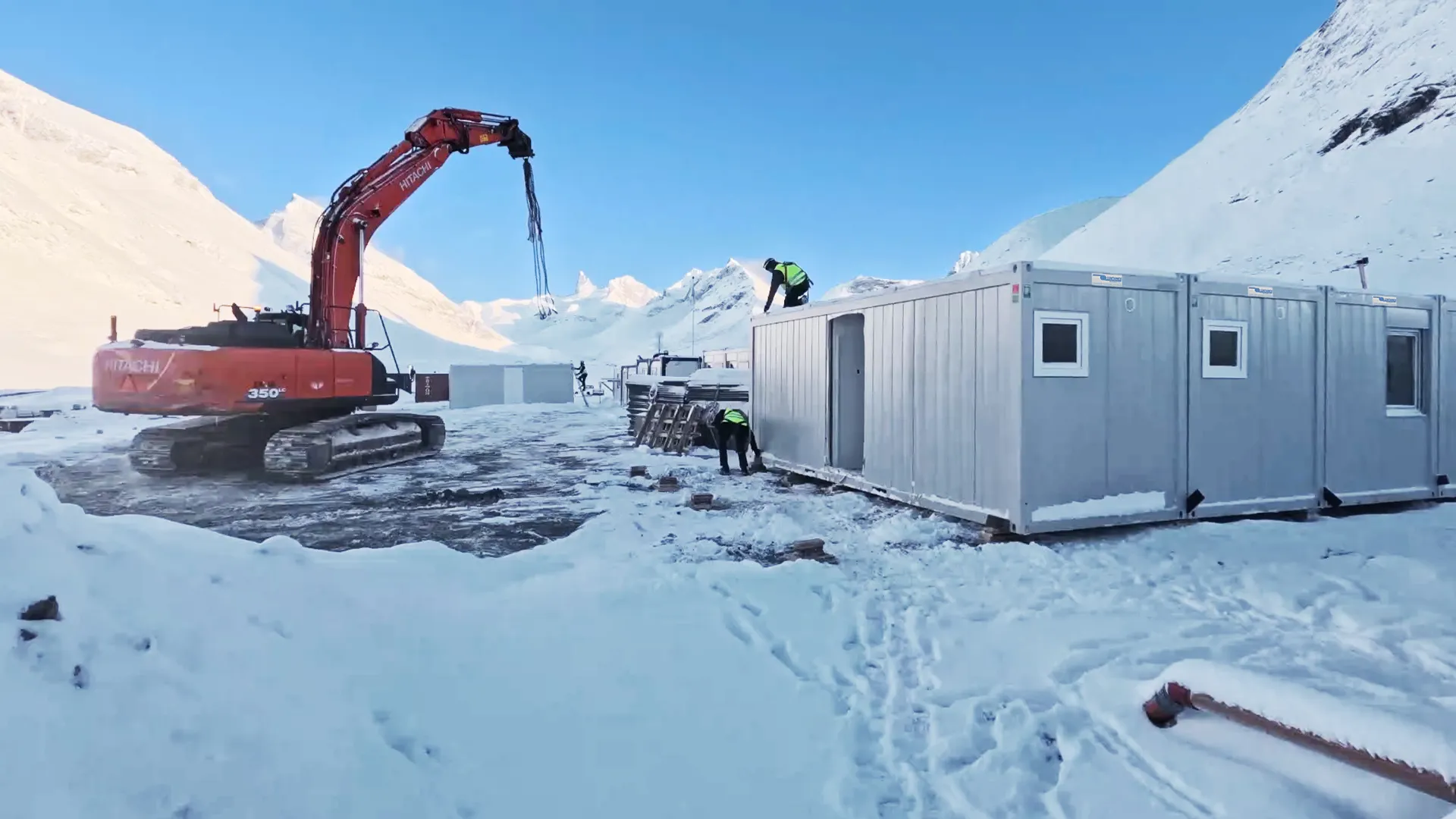
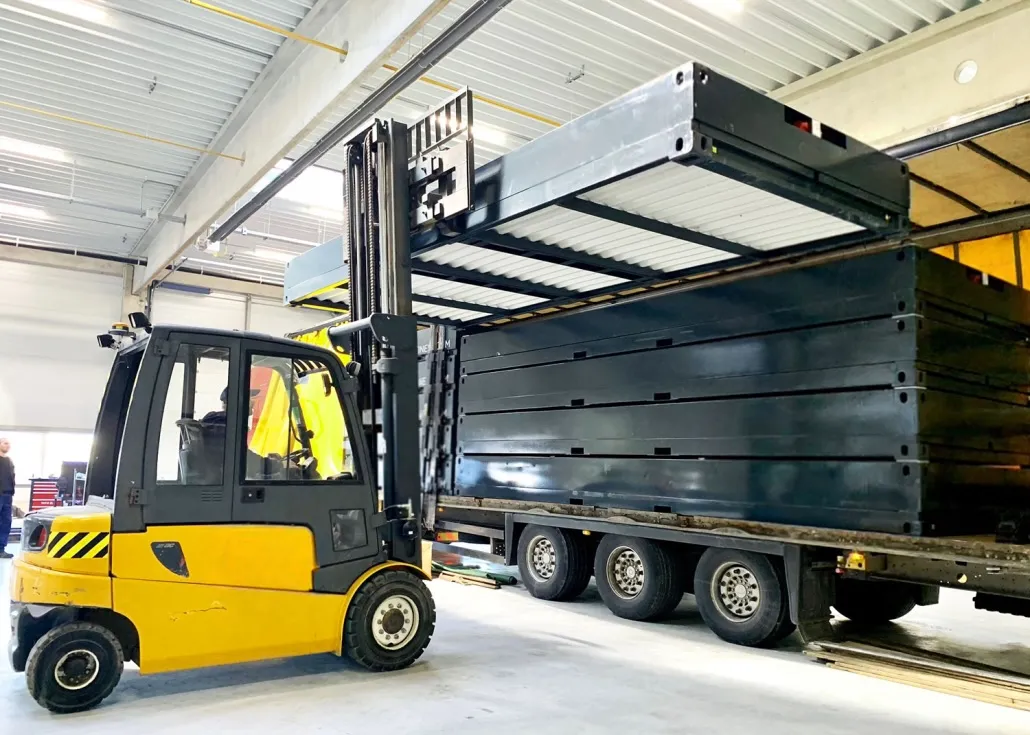
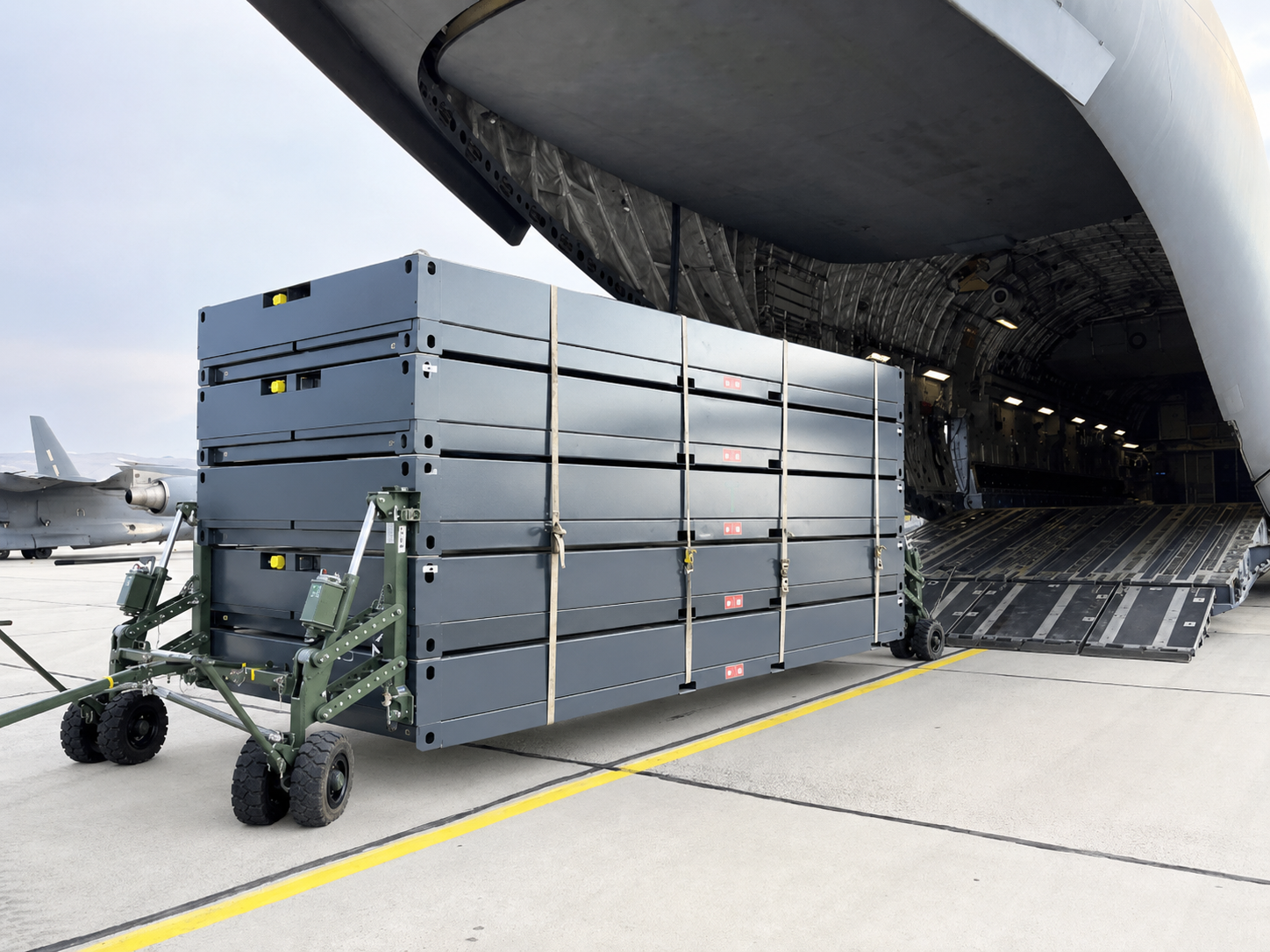
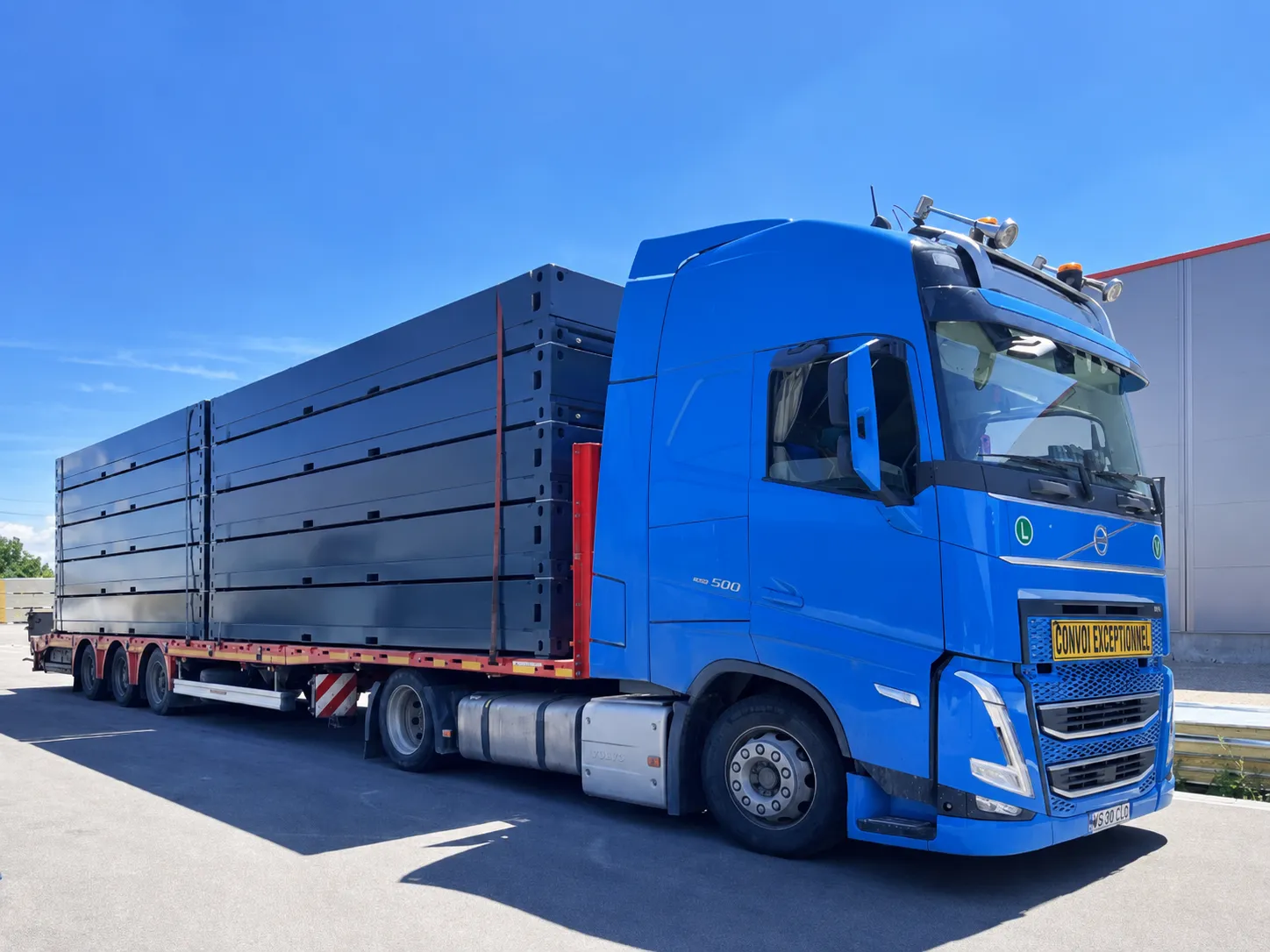
Modular units are delivered by truck and placed by crane. You need to confirm crane access at your site, prepare appropriate foundations (point foundations, gravel pads, or concrete slabs depending on the duration and load requirements), and arrange utility connections for power, water, and data.
Handover
Once installed and connected, the fit-out is completed: furniture, signage, IT infrastructure, lighting, and any brand-specific elements. The facility is then operational.
For a straightforward configuration, the timeline from confirmed order to operational showroom can be measured in weeks. Complex or heavily customised projects take longer, but still considerably less than traditional construction.
Deciding What Is Right for Your Dealership
Before engaging any supplier, work through these questions with your team:
- How long will the showroom or office be needed at this specific location? If under 18 months, rental is typically more cost-effective. Over three years, ownership usually wins. Between those, consider hybrid models.
- Is your budget structured as capital expenditure or operating expenditure? This affects whether buying or renting is the better financial fit.
- Does your brand principal require a specific architectural standard? If so, ownership and customisation may be necessary to meet those requirements.
- Is there a realistic possibility the location, size, or configuration will need to change within two to three years? If yes, rental or a buy-back arrangement protects your flexibility.
- What happens to the building at end of use? Can it be relocated, returned, sold, or repurposed?
The answers to these questions will shape your brief to any modular infrastructure partner and ensure the commercial structure matches your business reality.
Modular Infrastructure as a Strategic Decision for Automotive Retail
For Swiss car dealerships, modular showrooms and offices are not a compromise or a stopgap. They are a strategic infrastructure choice that provides speed to market, financial flexibility, and the ability to adapt as the automotive landscape changes.
The rent-or-buy decision should be driven by your business plan, your timeline, and your financial structure, not by assumptions about what modular buildings look or feel like. At the premium end, modular showrooms meet the same visual and comfort standards as traditional construction. At the practical end, back-of-house offices and storage can be deployed quickly and economically.
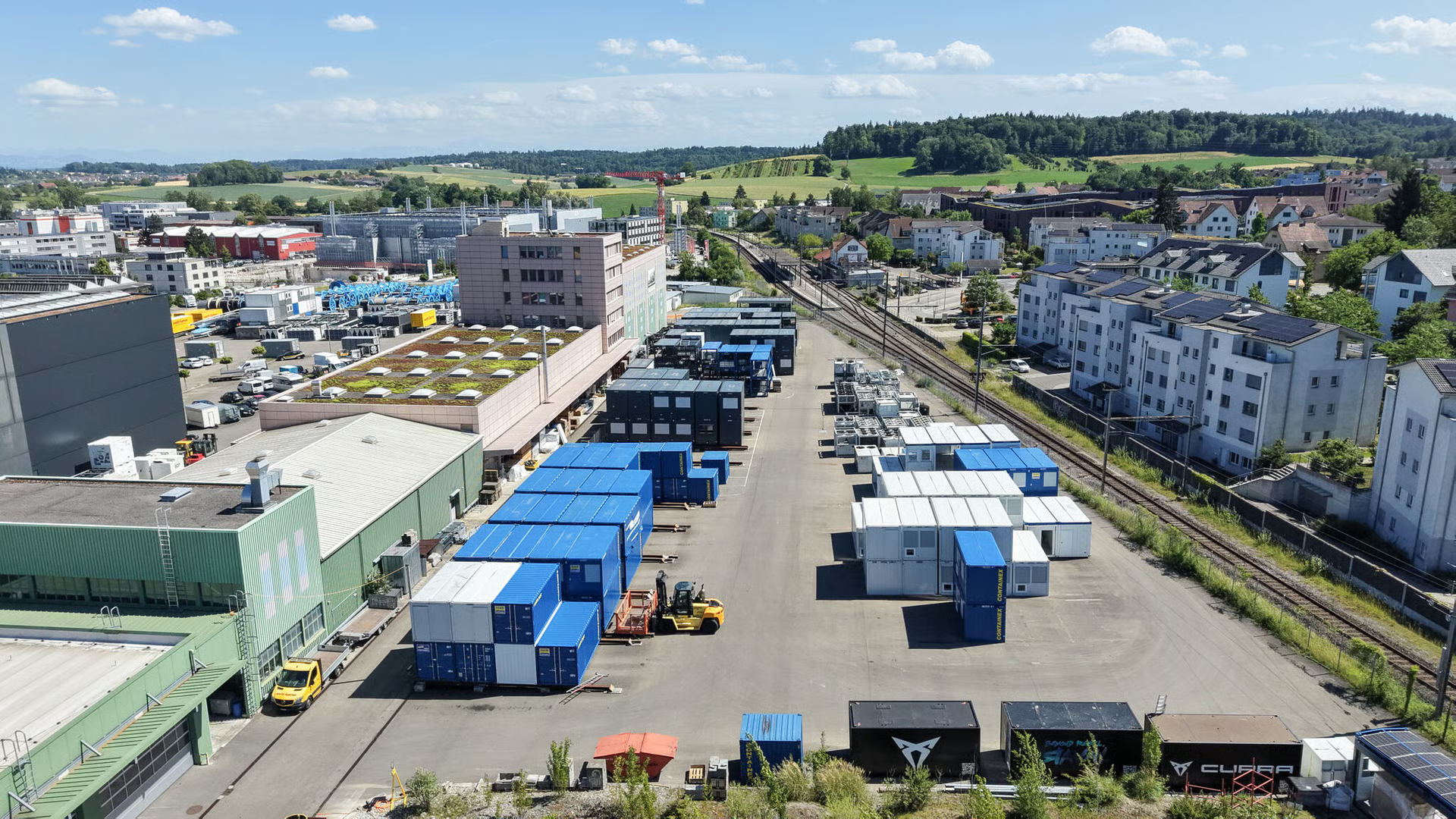
Working with a project partner who can configure an entire dealership campus from a single product portfolio, and who supports rental, purchase, lease, and buy-back models, simplifies the process considerably. You brief one partner on your requirements and they coordinate the path from initial layout through to an operational, handed-over facility.
.webp)
Book a free consultation
Open, non-binding and tailored to your project.