Modular Data Centre Containers in Switzerland: Rent or Buy
Why Data Centre Demand in Switzerland Is Pushing Toward Modular
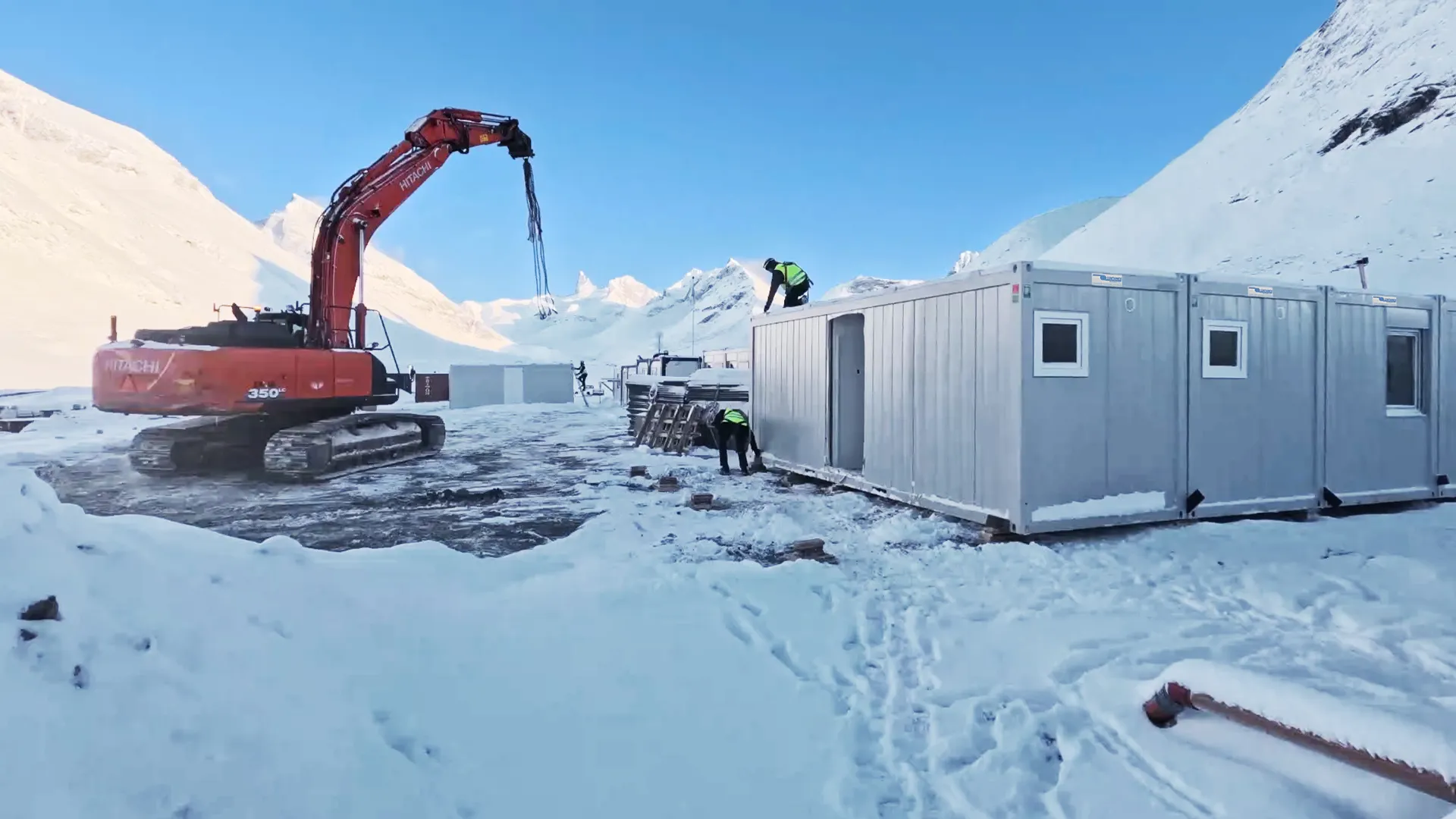
Switzerland's data centre market is on a steep growth curve. AI training workloads, cloud migration and data sovereignty requirements under Swiss law are all driving demand for compute capacity that traditional construction timelines cannot satisfy. Grid connection lead times alone can stretch to several years, and cantonal planning processes add further delay. For organisations that need capacity now, or within months rather than years, a containerised data centre shell offers a practical alternative: a factory-configured, weather-resistant modular structure that arrives on site ready for internal IT fit-out.
The global modular data centre market is forecast to grow from roughly USD 41 billion in 2026 to over USD 93 billion by 2031. Switzerland, with its combination of high land costs, strict planning regimes and surging digital infrastructure demand, is a natural market for this approach. Containerised shells allow operators to bridge capacity gaps while permanent facilities are under construction, or to deploy edge compute at locations where a conventional build would never be justified.
But the container shell is only one layer of a modular data centre project. Choosing the right shell, deciding whether to rent or buy it, and understanding where the shell provider's role ends and the IT integrator's begins are all decisions that affect cost, timeline and operational flexibility. This article sets out the practical framework for those decisions in a Swiss context.
What HEPF AG Actually Does in a Data Centre Container Project
HEPF AG is a Swiss modular infrastructure partner based in Baar, near Zurich. It plans, configures, sources, delivers and installs modular container-based facilities across Europe. In a data centre project, HEPF's scope covers the physical container shell and everything involved in getting it to your site and handing it over ready for fit-out.
That means:
- Advising on the right container system for the use case (edge site, disaster recovery, temporary overflow, permanent micro data centre)
- Planning the modular layout, including multi-unit and multi-storey configurations
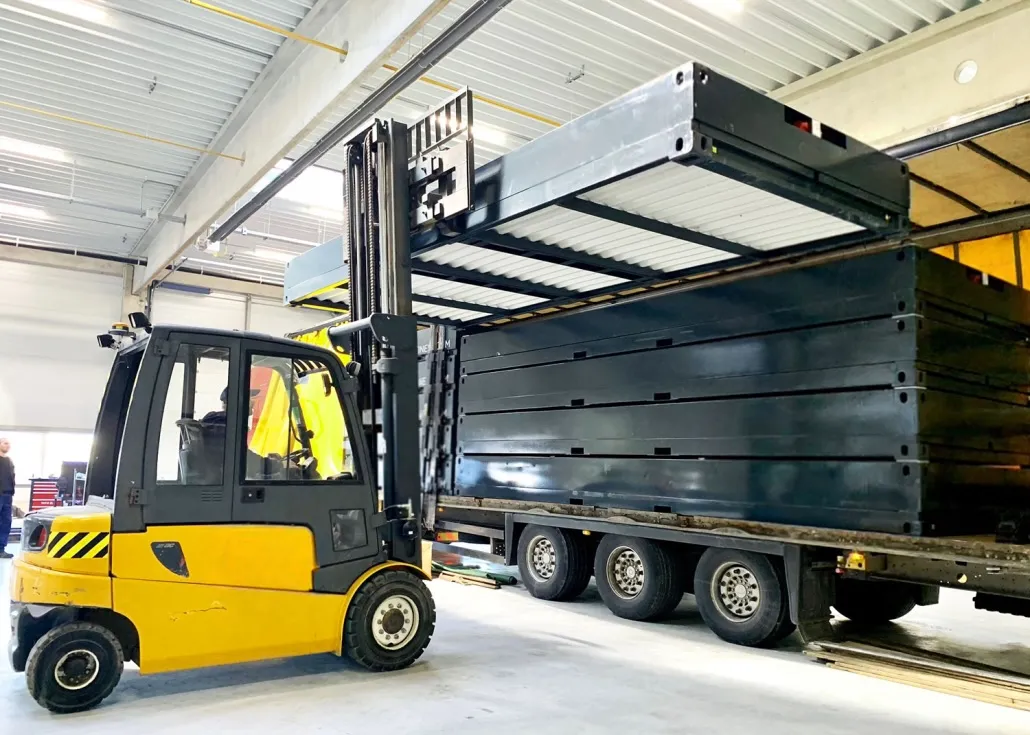
- Coordinating sourcing and logistics, including transport routing and crane placement
- Managing delivery and installation to the point of structural handover
What HEPF does not do is engineer or install the internal IT systems. Racks, cooling, fire suppression, power distribution, cabling and network infrastructure are the domain of the data centre operator or their chosen IT integrator. This separation is deliberate and, for most buyers, an advantage: you are not locked into a single vendor for both the building and the technology inside it.
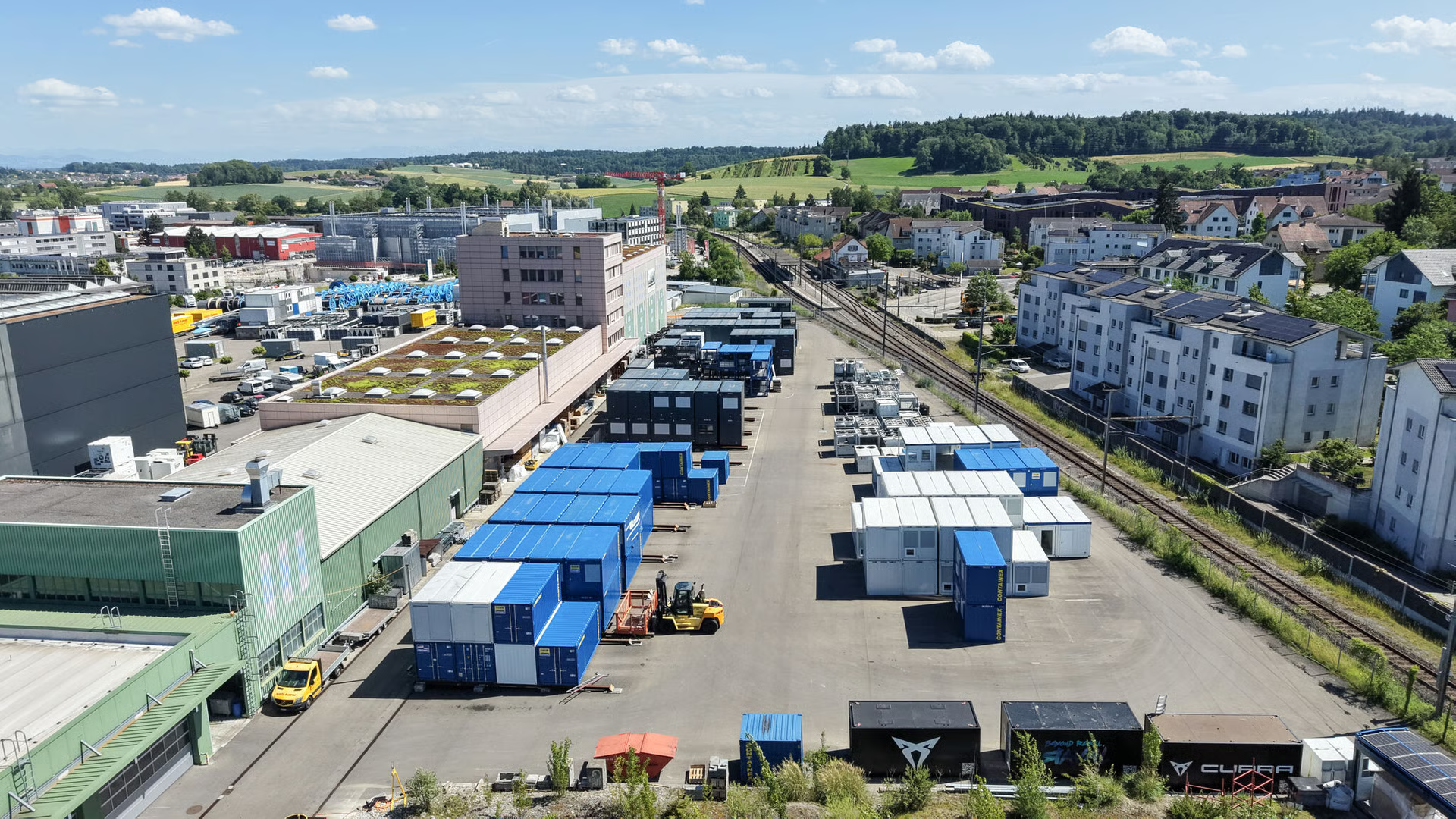
HEPF has delivered over 747 modules across Europe, with an average deployment time of 14 days from site readiness. Units can be bought, rented, leased or bought back, giving data centre operators flexibility across the full project lifecycle.
Rent or Buy: How to Decide for a Data Centre Container
The rent-versus-buy question for a data centre container shell is not fundamentally different from the same question for any capital asset, but the specifics of data centre operations add some wrinkles worth thinking through.
When renting makes sense
Renting is the stronger option when the project has an uncertain or limited duration. Typical scenarios include:
- Pilot or proof-of-concept deployments where you want to test a modular approach before committing capital
- Disaster recovery staging, where a shell needs to be on site for a defined period and then returned
- Temporary overflow capacity during a construction phase or migration
- Edge deployments where compute demand may shift to a different location within one to three years
Renting keeps the container shell as an operating expense. You avoid tying up capital, and at the end of the rental period the unit returns to the provider's fleet. If the project extends, most rental agreements can be prolonged.
When buying makes sense
Buying is usually the right call when the container will remain on site for the long term and forms part of a permanent or semi-permanent data centre installation. This includes:
- Permanent edge locations where the container is integrated into the site infrastructure
- Co-location expansions where additional capacity is needed alongside an existing facility
- Deployments where the container will be modified or customised to a degree that makes return impractical
Purchasing converts the cost to a capital expenditure, which can be depreciated. It also gives you full control over the asset, including the option to relocate or resell it later.
Leasing and buy-back as middle options
Leasing suits projects with a defined multi-year horizon where you want predictable payments without the full commitment of a purchase. Buy-back arrangements let you purchase a container and, if the project winds down or the asset is no longer needed, sell it back to the provider. This reduces the end-of-life risk that makes some finance teams nervous about owning physical infrastructure.
HEPF offers rent, buy, lease and buy-back models. A range of modules are available for rent, and HEPF can potentially buy back purchased containers that are no longer needed.
Key decision factors
- Project duration: under 12 months strongly favours rental; over five years strongly favours purchase; the middle ground is where leasing earns its keep
- Capital versus operating expenditure preference: this is often dictated by your finance team or public-sector procurement rules rather than by the project itself
- Site permanence: a temporary or leased site makes purchase riskier unless you plan to redeploy the container
- Future redeployment: if you anticipate moving the container to another location, choose a configuration that is transportable and avoid heavy site-specific modifications
Which HEPF Product Lines Apply to Data Centre Shells
Not every container is suitable for housing IT equipment. The thermal, structural and security requirements of a data centre shell are more demanding than those of a site office or storage unit. HEPF's product portfolio includes several lines relevant to data centre projects, each suited to a different part of the installation.
Classic Line
The Classic Line is HEPF's reliable all-rounder, used across commercial and industrial projects. For data centre applications, it provides a configurable, stackable container shell with solid structural performance. It suits standard server room housings, network equipment shelters and communications hubs where the priority is function, speed and cost-effectiveness.
Plus Line
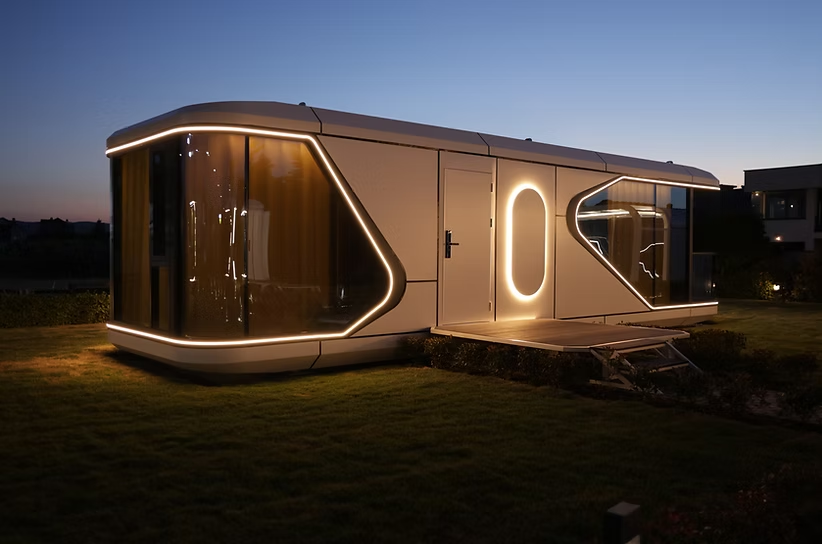
The Plus Line offers higher thermal and architectural quality. If the container will be visible to clients, located in a public-facing setting, or subject to stricter environmental performance requirements, the Plus Line addresses the concern that modular infrastructure looks temporary or cheap. For long-term data centre installations that need to meet cantonal energy requirements (MuKEn standards may apply where a permanently sited container is classified as a building), the Plus Line's better insulation and finish are worth the premium.
Storage Line
Data centres need more than server space. UPS battery banks, spare hardware, cabling stock and maintenance equipment all require secure, weather-resistant, lockable storage. The Storage Line provides exactly this: ancillary containers that sit alongside the data hall and keep support equipment protected and accessible.
Reefer and Cold Storage Line
HEPF's refrigerated container line operates across a temperature range of roughly minus 40 degrees C to plus 45 degrees C, in 10-foot, 20-foot and 40-foot formats. In a data centre context, these units are relevant for cooling-intensive backup configurations, specialised cold-aisle setups, or any application where the container itself needs to maintain a controlled temperature environment independently of the IT cooling systems inside.
HEPF's product portfolio spans more than ten lines. The right system depends on the use case, and HEPF helps clients select and configure the appropriate modular system rather than offering a one-size-fits-all solution.
Site, Logistics and Permitting Considerations in Switzerland
What building permits do you need to place a container on your site?
Container placement in Switzerland is regulated under the Federal Act on Spatial Planning (RPG/LAT), but the specific requirements depend on your canton and municipality. In most cases, placing a container on a site triggers either a full building permit (Baubewilligung) or a simplified notification procedure (Meldeverfahren). The determining factors are typically the container's footprint, intended use, duration on site and the zoning of the land.
For temporary placements of limited duration, the notification route may be sufficient. For permanent or large-scale installations, expect a full permit process. If you are placing multiple stacked or connected containers that form a complex, the requirements will be more stringent. Always confirm the specific rules with the relevant cantonal building authority early in the project, before committing to delivery dates.
What site preparation is needed before the container arrives?
The container shell arrives structurally complete, but the site needs to be ready to receive it. At a minimum, this means:
- A level, load-bearing foundation or hardstanding (the type depends on the container size and whether units will be stacked)
- Power connection brought to the container location
- Network ducting or fibre conduit to the site
- Access for delivery vehicles and, where required, a crane
Site preparation is the client's or general contractor's responsibility. HEPF can advise on the structural requirements of the modular shell, including point loads and foundation specifications, so that your civil works are designed correctly.
Can containers be stacked or combined into larger configurations?
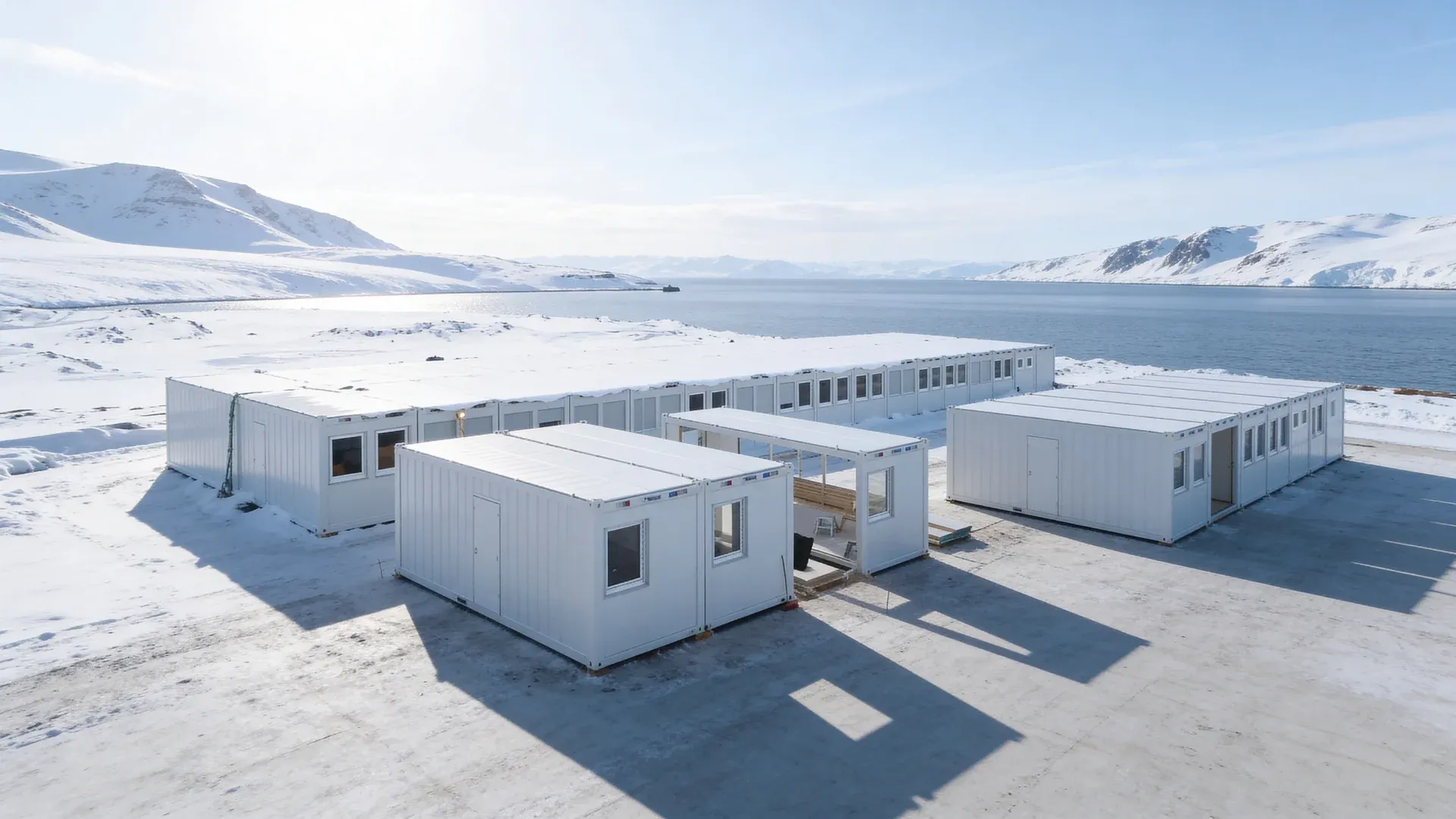
Yes. Multi-storey stacking and multi-unit side-by-side configurations are standard practice in modular construction. Structural standards (SIA 260 and SIA 261 in Switzerland; EN 1090 for fabricated steel in the EU market) govern the load-bearing and connection requirements. For data centre operators on constrained Swiss sites, vertical stacking is a practical way to increase capacity without expanding the ground footprint.
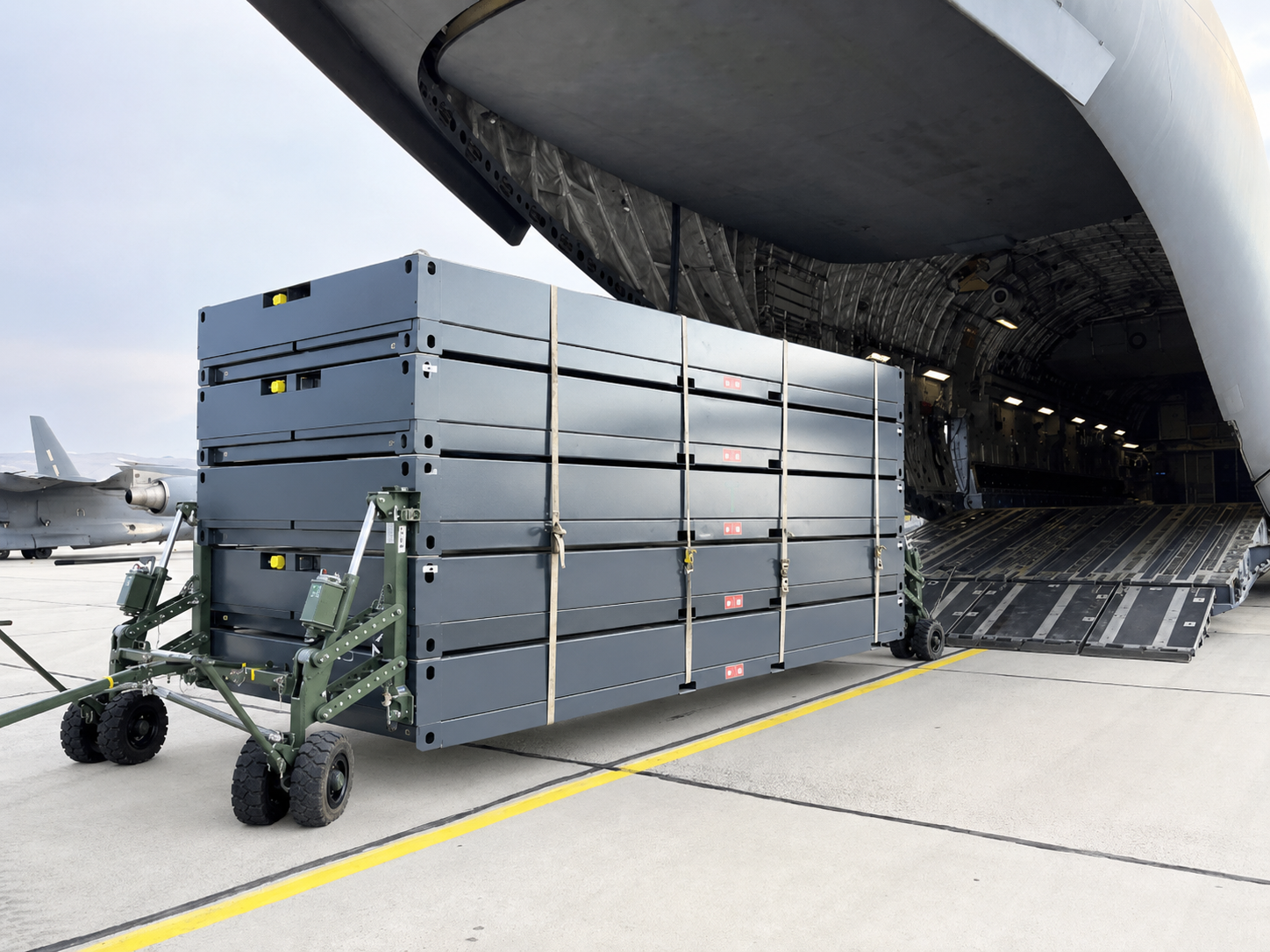
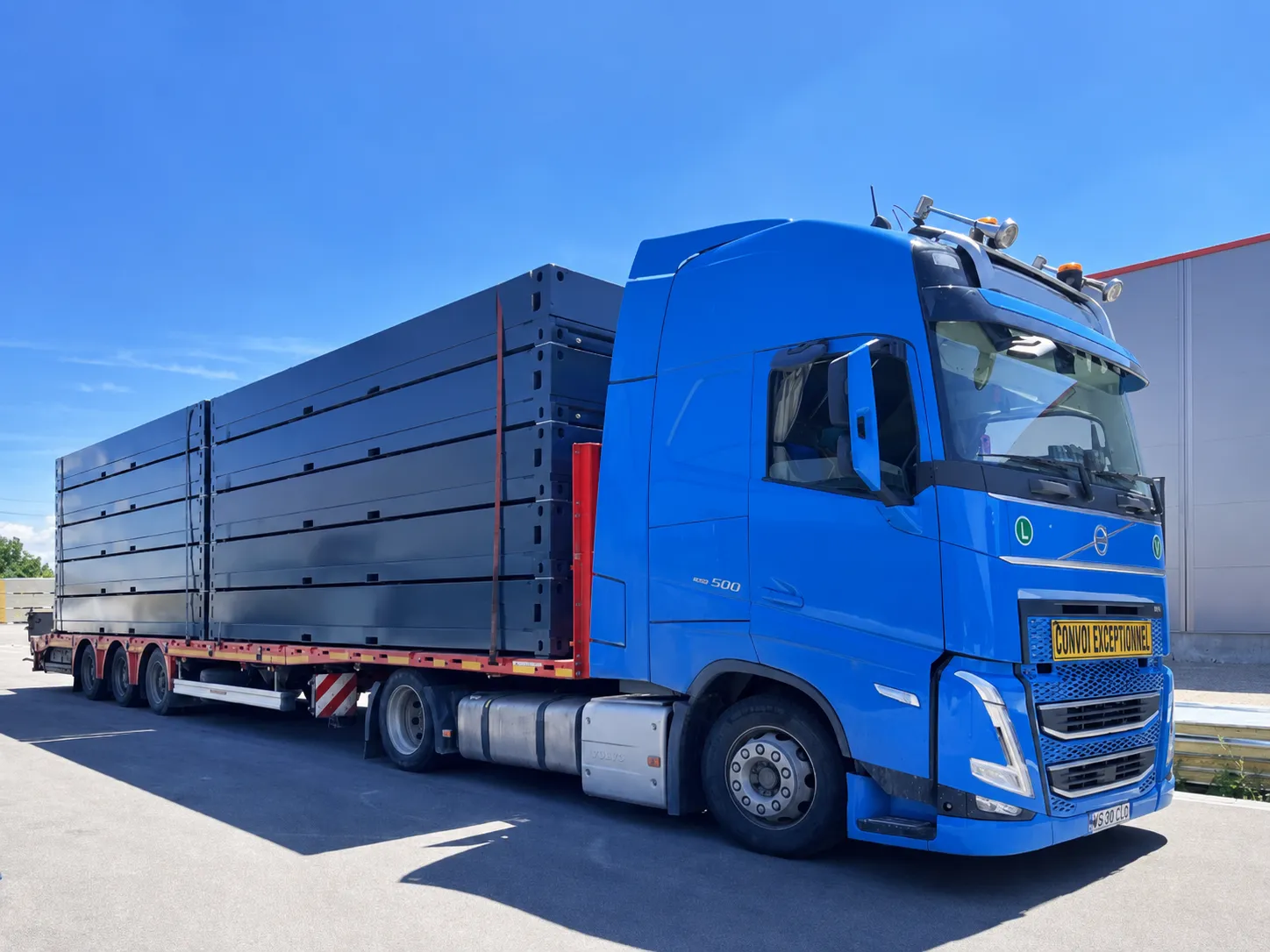
HEPF coordinates delivery logistics including transport routing and crane services. Delivery costs depend on depot availability, site location and container type.
The Boundary Between Shell Provider and IT Integrator
A modular data centre project has two distinct layers, and understanding the boundary between them saves time and prevents misunderstandings.
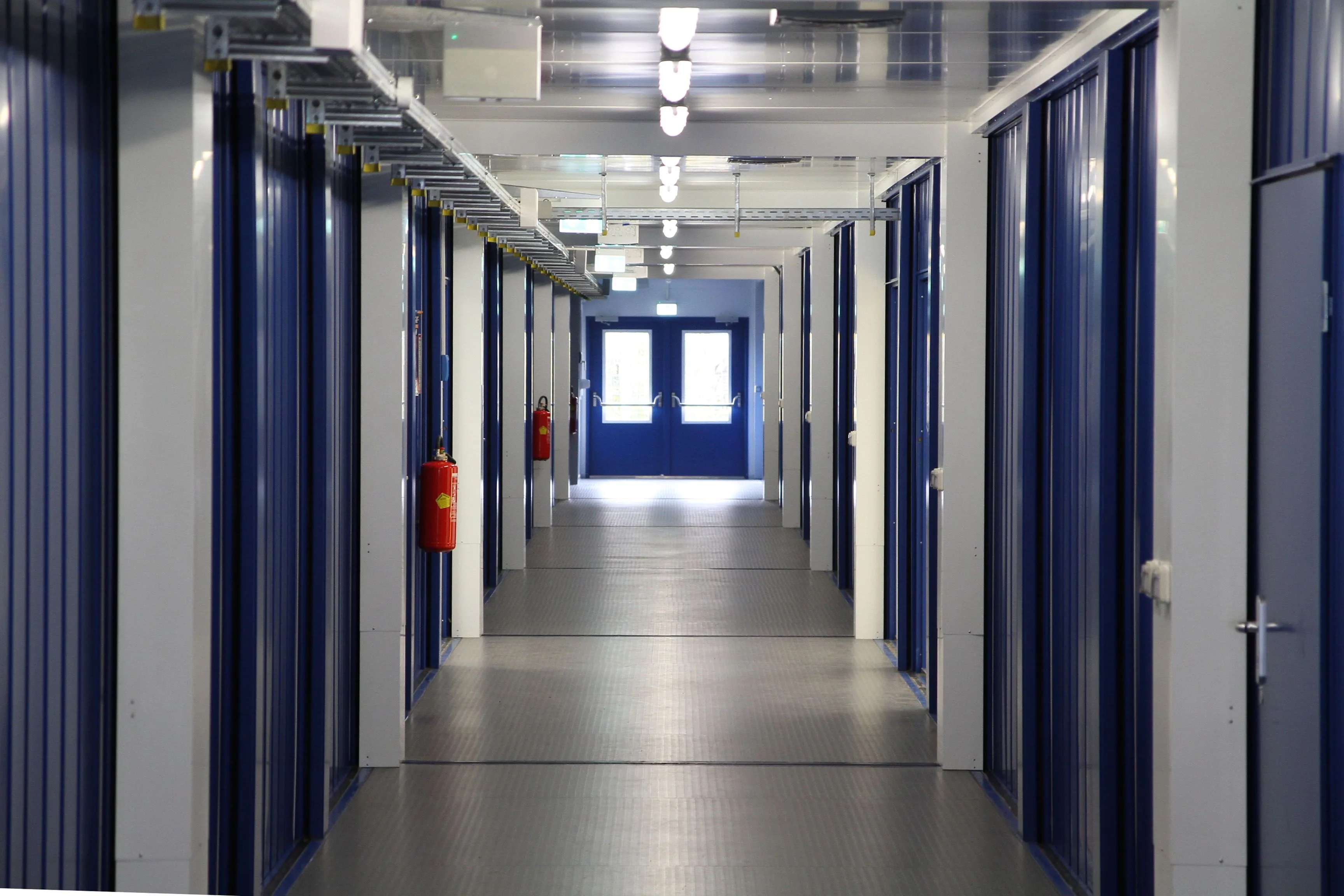
The first layer is the physical container infrastructure: the shell, its structural integrity, weatherproofing, insulation, access points and external services connections. This is what HEPF coordinates.
The second layer is the internal IT fit-out: server racks, cooling systems, power distribution units, UPS, fire suppression, cable management and network connectivity. This is the domain of the data centre operator or a specialist IT integrator.
Uptime Institute Tier classifications, for example, apply to the IT fit-out and operational resilience of the data centre, not to the container shell itself. The shell needs to support the requirements of the Tier level you are targeting (for instance, providing sufficient space and structural capacity for redundant cooling or power systems), but the Tier rating is earned by the complete facility, not the box.
This separation is an advantage. It means you can select the best IT integrator for your specific technology stack while relying on a Swiss-led partner for the physical modular structure. Both workstreams can run in parallel, which compresses the overall project timeline considerably.
Redeployment, Scalability and Second Life
One of the strongest arguments for a containerised data centre shell over a permanent build is the ability to move, reconfigure or repurpose the asset when requirements change.
- A rented container returns to the fleet at the end of the rental term, with no disposal or decommissioning cost to you
- A purchased container can potentially be bought back by HEPF, reducing end-of-life risk
- Containers can be relocated to a new site, reconfigured into a different layout, or repurposed for a different use entirely
Planning for redeployment from day one is worth the effort. Choosing stackable, standard-dimension containers and avoiding irreversible site-specific modifications protects your investment if the data centre footprint needs to move or scale. If you are buying, discuss redeployment scenarios with HEPF during the initial configuration stage so the shell is specified accordingly.
Getting Started: How to Scope a Modular Data Centre Project
If you are considering a containerised approach for your next data centre capacity expansion, the practical starting points are:
- Define the use case clearly: edge site, disaster recovery, temporary overflow, permanent micro data centre, or construction-phase IT housing
- Determine whether rent, buy or lease best fits the project duration and your capital strategy
- Identify the site and confirm zoning, access and power availability with your canton
- Engage an IT integrator for the internal fit-out in parallel with the container procurement
- Contact HEPF for a no-obligation consultation to discuss container type, layout, delivery timeline and site requirements
HEPF coordinates the modular infrastructure layer. Your IT integrator coordinates the technology layer. Running both workstreams in parallel is how containerised data centres achieve their speed advantage over conventional builds.
HEPF AG is based in Baar, near Zurich, and delivers across Europe. From single containers to complete modular facilities: plan, configure, deliver.
.webp)

Book a free consultation
Open, non-binding and tailored to your project.