How Close Is Your Event Infrastructure?
The Problem Nobody Puts in the Brief
Event organisers spend weeks refining layouts, negotiating with vendors, and aligning stakeholders on branding. But when the infrastructure order finally goes out, the question that determines whether the build stays on schedule is deceptively simple: where are the units right now, and how many truck-hours away is that from site?
This article is for event production managers, festival operations directors, and corporate event teams who need modular infrastructure (offices, sanitary blocks, crew quarters, retail kiosks, storage) delivered under pressure. By the end, you should be able to evaluate any modular infrastructure supplier against a set of criteria that actually predict on-time delivery, and understand how depot proximity, rental fleet availability, and pre-commitment inspection change the risk profile of your event build.
The Real Bottleneck Is Distance, Not the Container
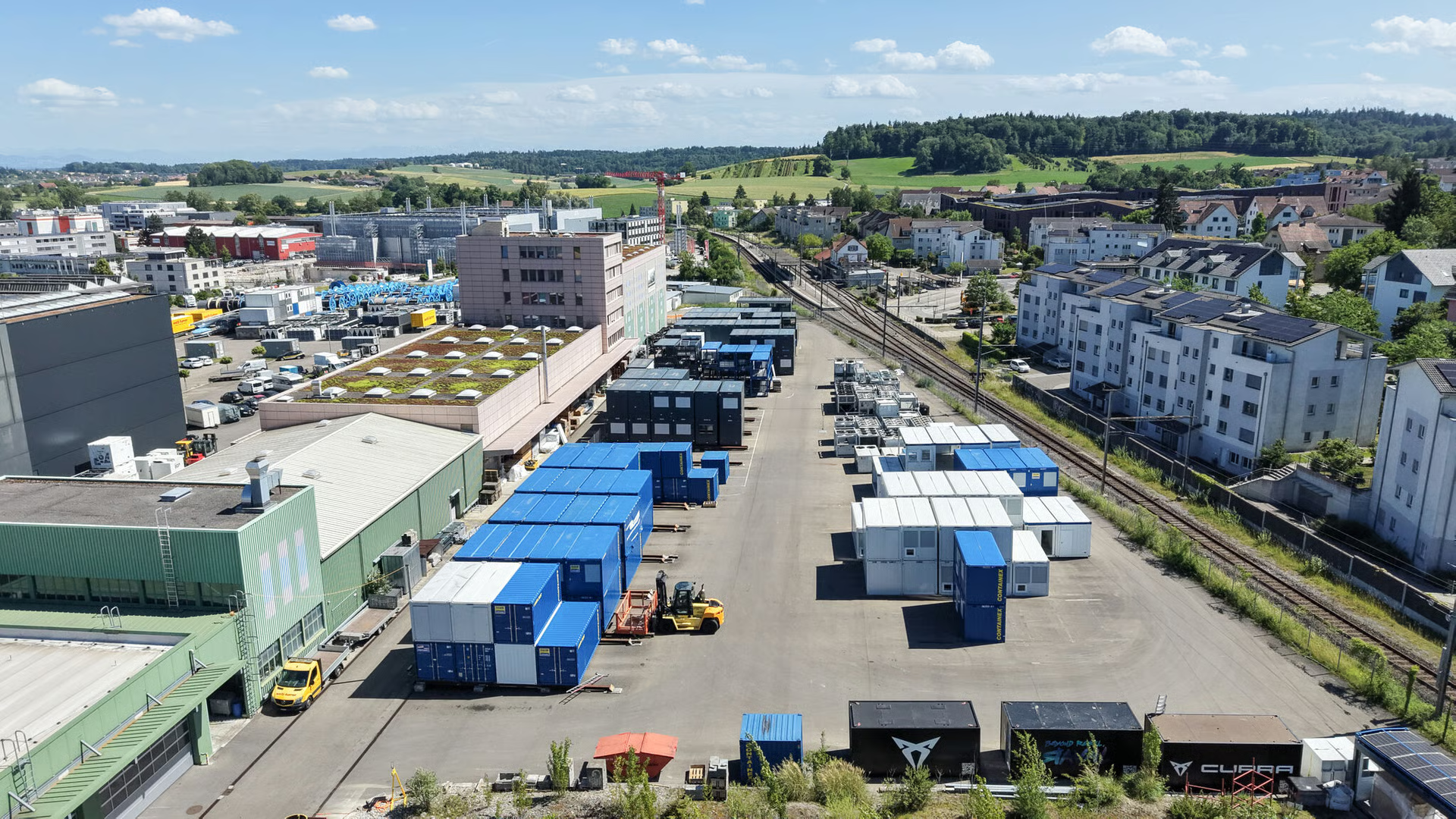
Most event infrastructure delays have nothing to do with the unit itself. The container, the modular office, the sanitary block: these exist. They are sitting in a yard somewhere, inspected and ready. The problem is that "somewhere" might be 1,200 km from your site, requiring permits for oversized loads, multiple drivers, border crossings, and a delivery window that competes with every other event happening that week.
For smaller event projects (up to roughly 200 square metres of built space), HEPF AG works to a benchmark of one day from confirmed request to operational handover. That figure depends on specific conditions: distance from the nearest depot, site readiness, crane access, and unit availability. But the underlying principle holds regardless of supplier. The closer the stock, the shorter the critical path.
Consider the arithmetic. A standard 20-foot container on a flatbed truck travels at an average of 60-70 km/h on European motorways when you account for rest stops, tolls, and traffic. A depot 150 km from site means roughly 2-3 hours of transit. A depot 900 km away means a full day of driving, possibly two with mandatory rest periods under EU drivers' hours regulations. That is not a marginal difference. It is the difference between infrastructure arriving Tuesday morning and infrastructure arriving Thursday afternoon, which on a five-day build window is the difference between a calm installation and a crisis.
Transport is also a significant cost line. Industry estimates for modular and temporary buildings put transport at roughly 15-30% of the total project cost. Shorter distances reduce that percentage directly, freeing budget for configuration, fit-out, or contingency stock.
Then there is the environmental dimension. Road freight generates CO2 proportional to distance and load. Fewer kilometres mean lower emissions per unit delivered. If your event has sustainability commitments or reporting obligations, the distance your infrastructure travels is a measurable, auditable variable.
HEPF AG operates depot locations across Europe. The specific value of those depots depends on your event location, but the structural point is that distributed stock reduces the single largest variable in your delivery timeline.
How a Rental Fleet Changes the Equation
There is a fundamental difference between ordering a new modular unit and deploying one from existing rental stock. A new unit must be manufactured, fitted out, inspected, and dispatched. Even with efficient production, that is weeks. A rental fleet unit is already built, already inspected, and already sitting on a chassis or stacking frame, ready to load.
For events, renting is almost always the natural fit. You need the infrastructure for a defined period, days to weeks, sometimes a season. You do not want to own it afterwards. You do not want to store it, maintain it, or insure it year-round. You want it on site, operational, and then gone.
HEPF maintains its own rental fleet of modular buildings. Units can be rented for short-term event use and returned after project completion, keeping capital expenditure low while ensuring fast availability. But rental is not the only option. For recurring annual events, a lease or buy-back arrangement can make more financial sense, locking in availability year after year without the full purchase commitment. For permanent venue upgrades, outright purchase is sometimes the right call. The point is that these options exist within a single supplier relationship, which means you are not starting from scratch each time.
What if my requirements change after booking?
This is one of the most common anxieties in event production, and rental fleet availability is the direct answer. If a sponsor adds an activation and you need two more office units, or weather forecasts force you to add covered crew welfare space, available stock in a nearby depot can be mobilised quickly. If you are locked into a bespoke manufacturing order with a six-week lead time, you have no flexibility at all. A rental fleet is, in effect, a buffer against the inevitable scope changes that every event experiences.
Showrooms: Seeing Before You Commit Under Pressure
When you are under time pressure, the temptation is to order from a PDF, approve a floor plan on screen, and hope the reality matches. For basic storage or back-of-house offices, that may be acceptable. For anything client-facing, sponsor-facing, or media-facing, it is a risk.
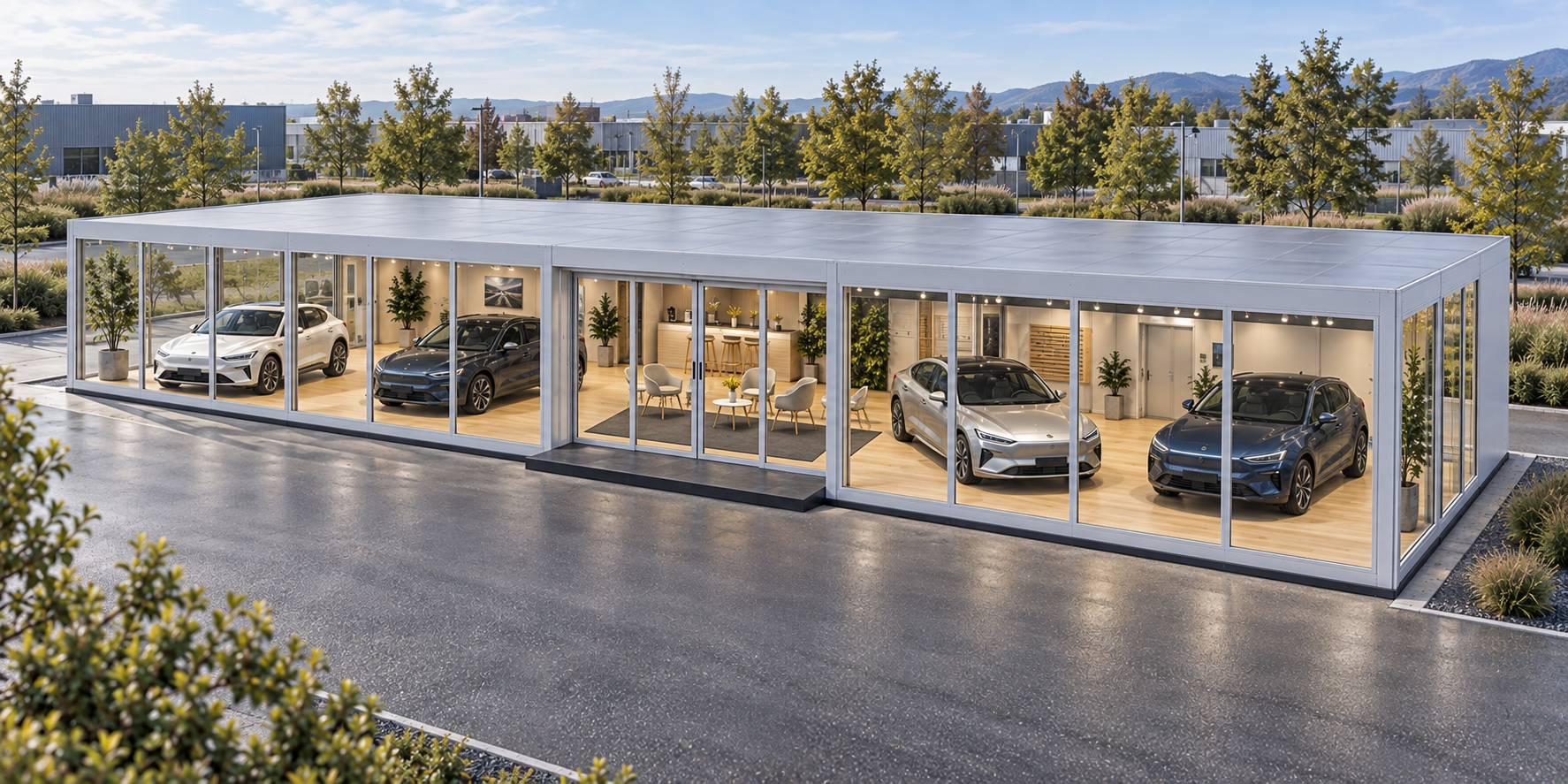
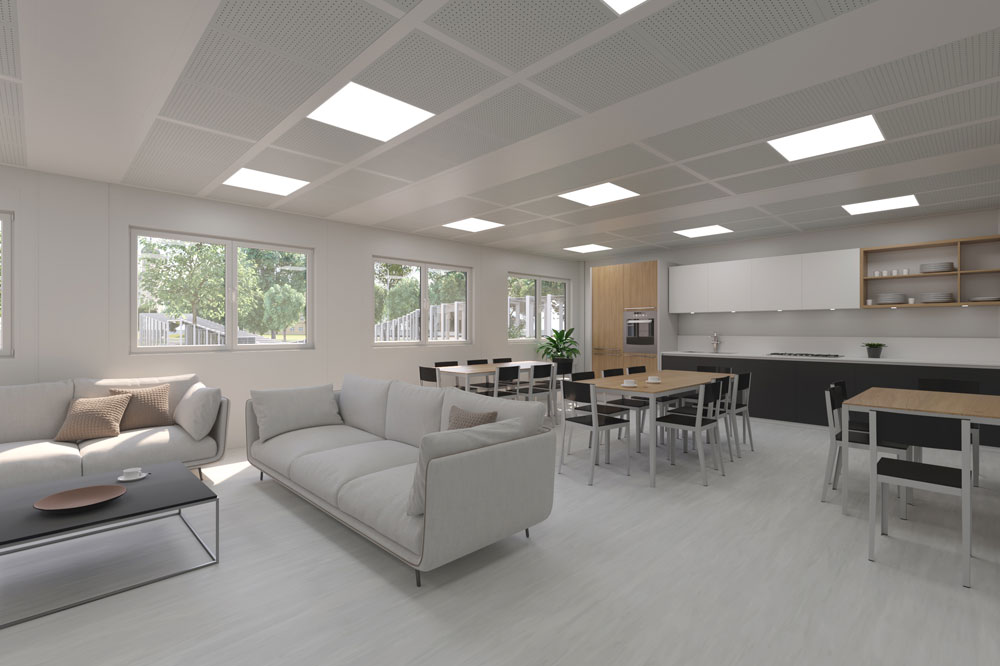
VIP hospitality lounges, broadcast compounds, sponsor activation spaces, and premium crew facilities all demand a standard of finish that photographs and spec sheets cannot fully communicate. The texture of wall panels, the quality of lighting, the feel of door hardware, the acoustic performance of a meeting room: these are things you assess by standing inside the space.
HEPF operates showroom locations in Europe where you can physically walk through configured modular units, inspect interior finishes, and evaluate sanitary facilities, office layouts, and retail configurations before committing. For event organisers working to tight deadlines, this compresses the decision cycle. You visit, you see, you confirm. There is no back-and-forth over render quality or sample swatches. The revision cycles that can consume a week of email exchanges are replaced by a single site visit.
This matters most when multiple stakeholders need to sign off. Bringing a sponsor representative, a production manager, and a venue operations lead to a showroom for a 90-minute walkthrough is more efficient and more convincing than circulating a slide deck.
What Fast Deployment Actually Looks Like
Abstract talk about speed means nothing without concrete examples. Here is how modular infrastructure typically maps to event use cases, and what the deployment reality looks like.
Media compounds and production offices
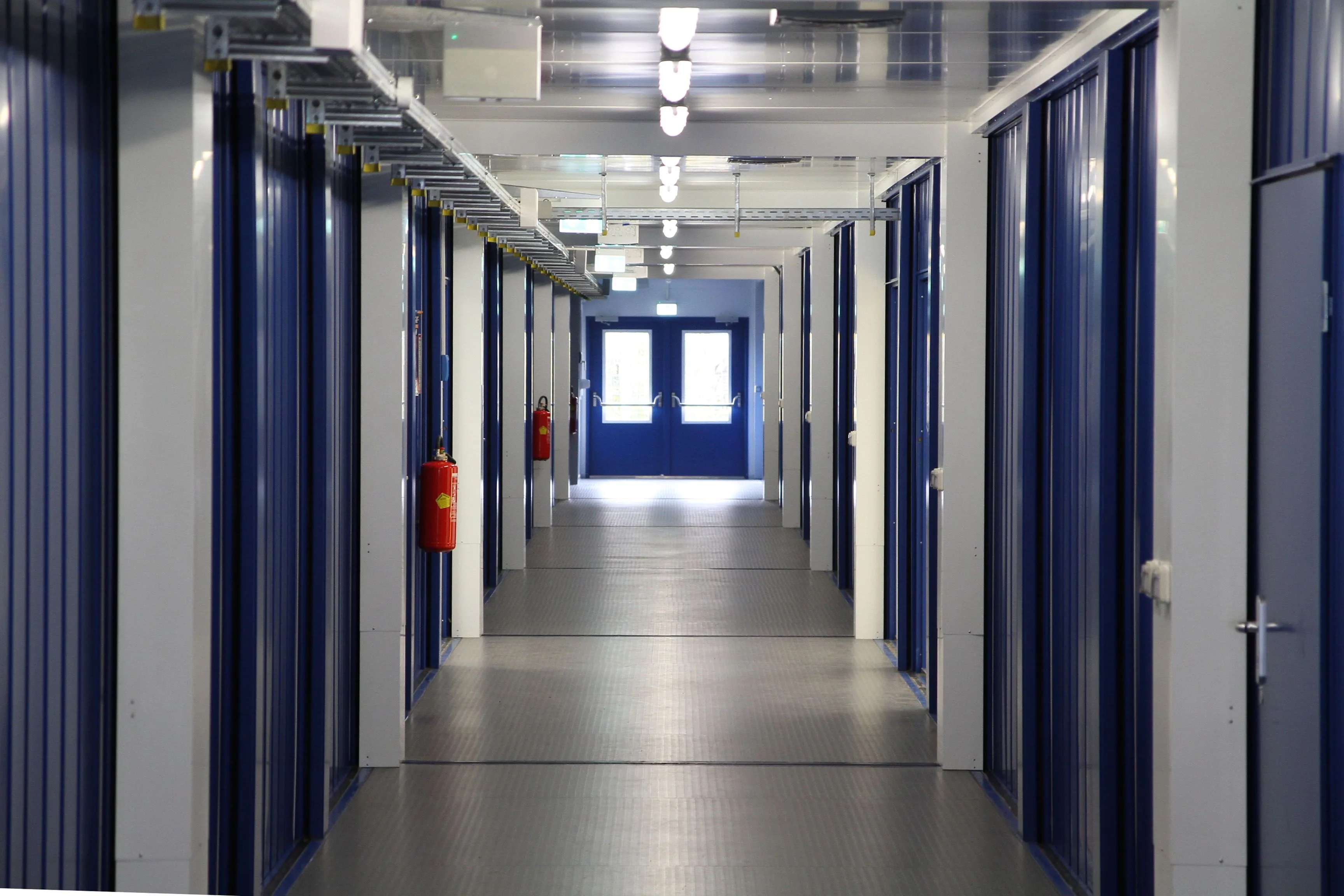
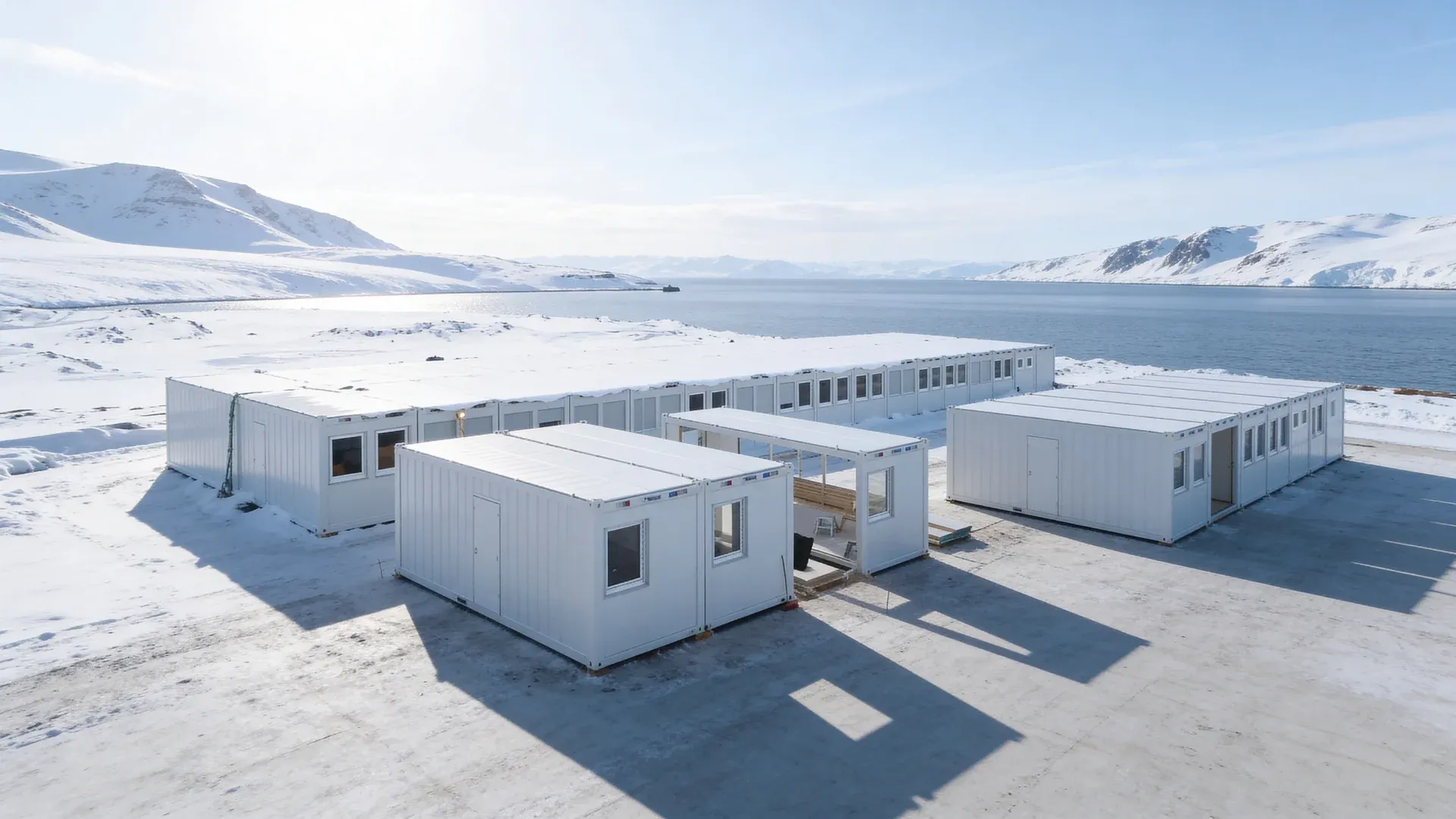
Broadcast operations need power, data connectivity, climate control, and acoustic separation. Modular office units from a rental fleet can be combined into multi-room compounds with corridor connections, delivered as pre-wired modules, and connected to site power on arrival. The configuration is planned in advance; the units arrive as a kit that assembles on site.
VIP hospitality and sponsor activations
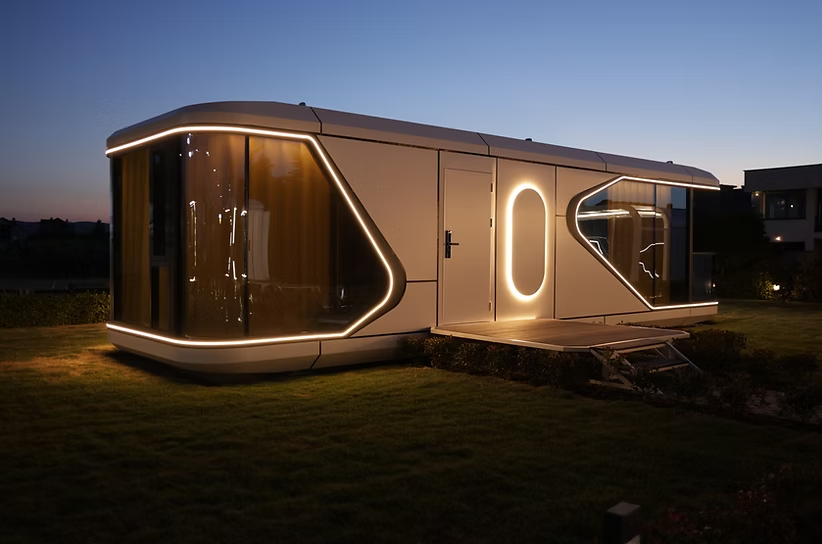
These spaces are where "modular" must not look or feel temporary. Plus Line units, with higher-specification thermal performance and architectural finish, address the concern that container-based infrastructure looks industrial. Interior branding, furniture, and AV integration are layered on top of the base unit, but the base unit itself sets the quality floor.
Crew facilities
Multi-day builds and event runs require sleeping quarters, dining areas, showers, and locker rooms. The Sanitary Line covers hygiene facilities including accessible bathrooms, while crew accommodation can be configured from modular sleeping units. These are not afterthoughts. Crew welfare directly affects productivity and retention on long event cycles.
Touring events and festivals
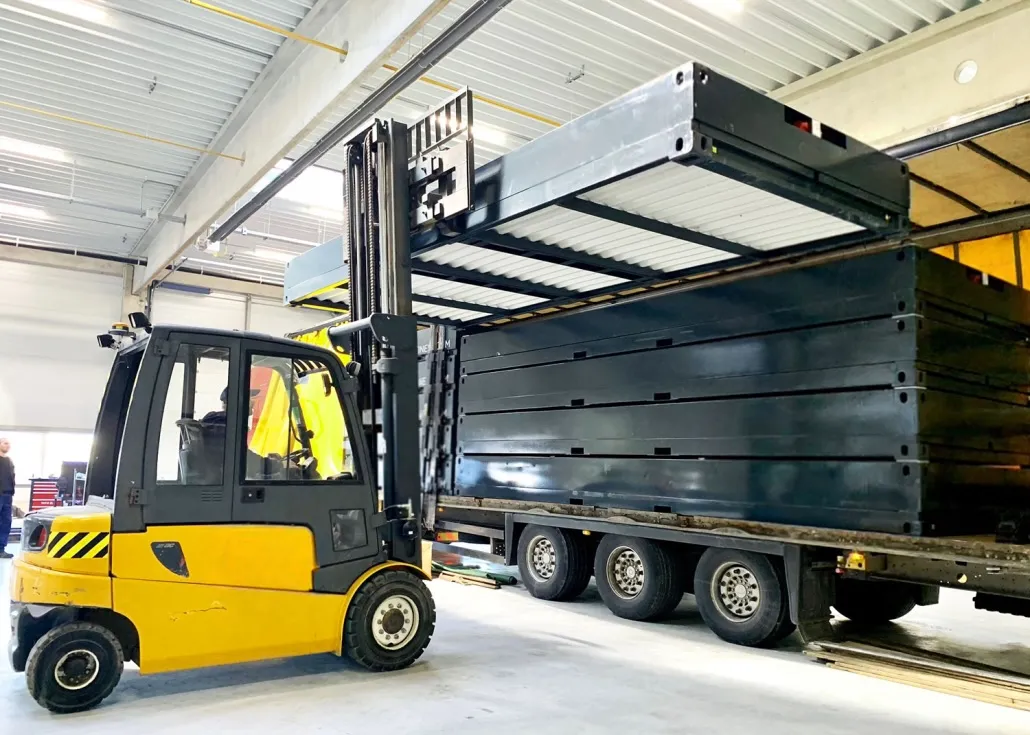
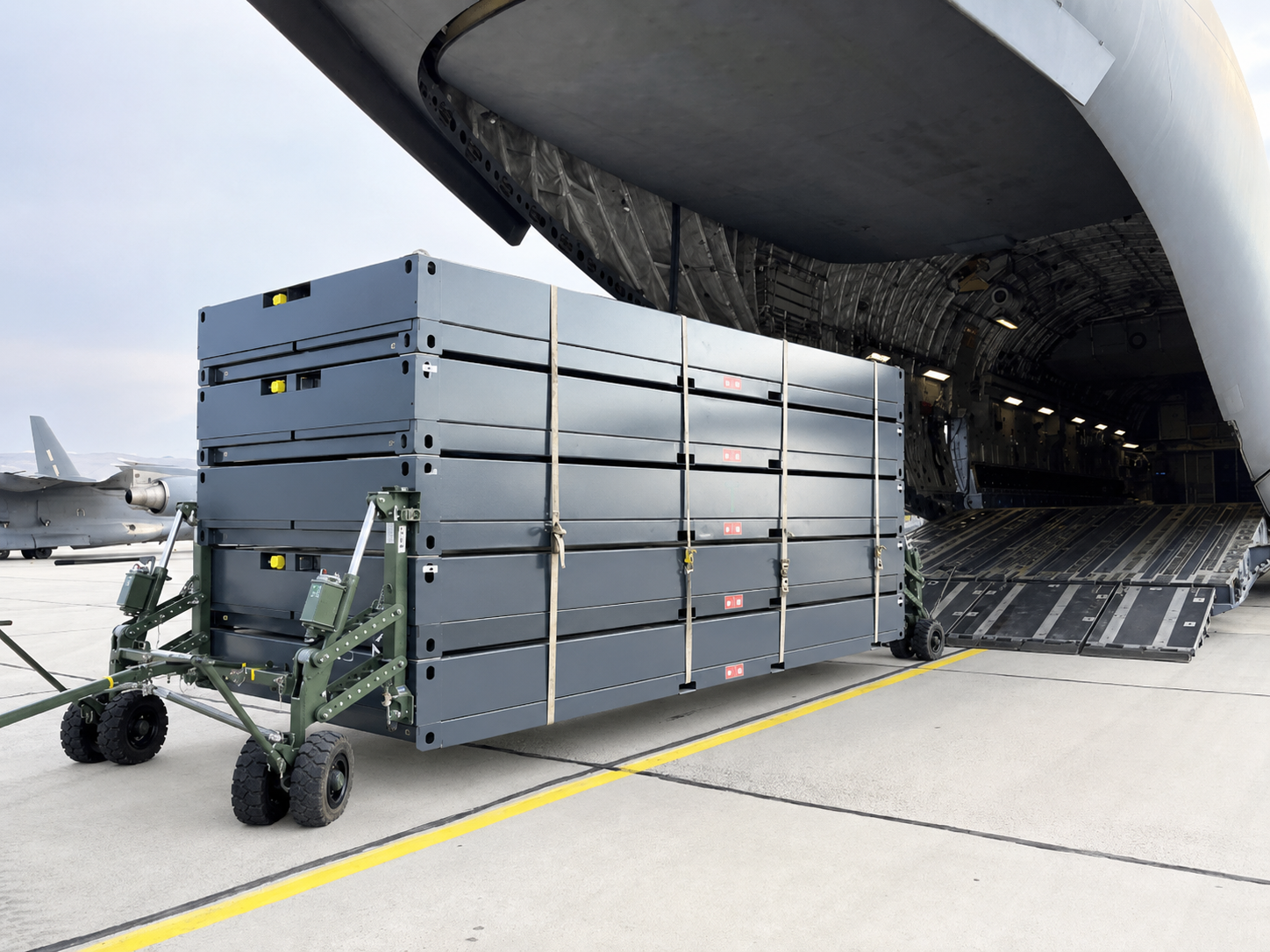
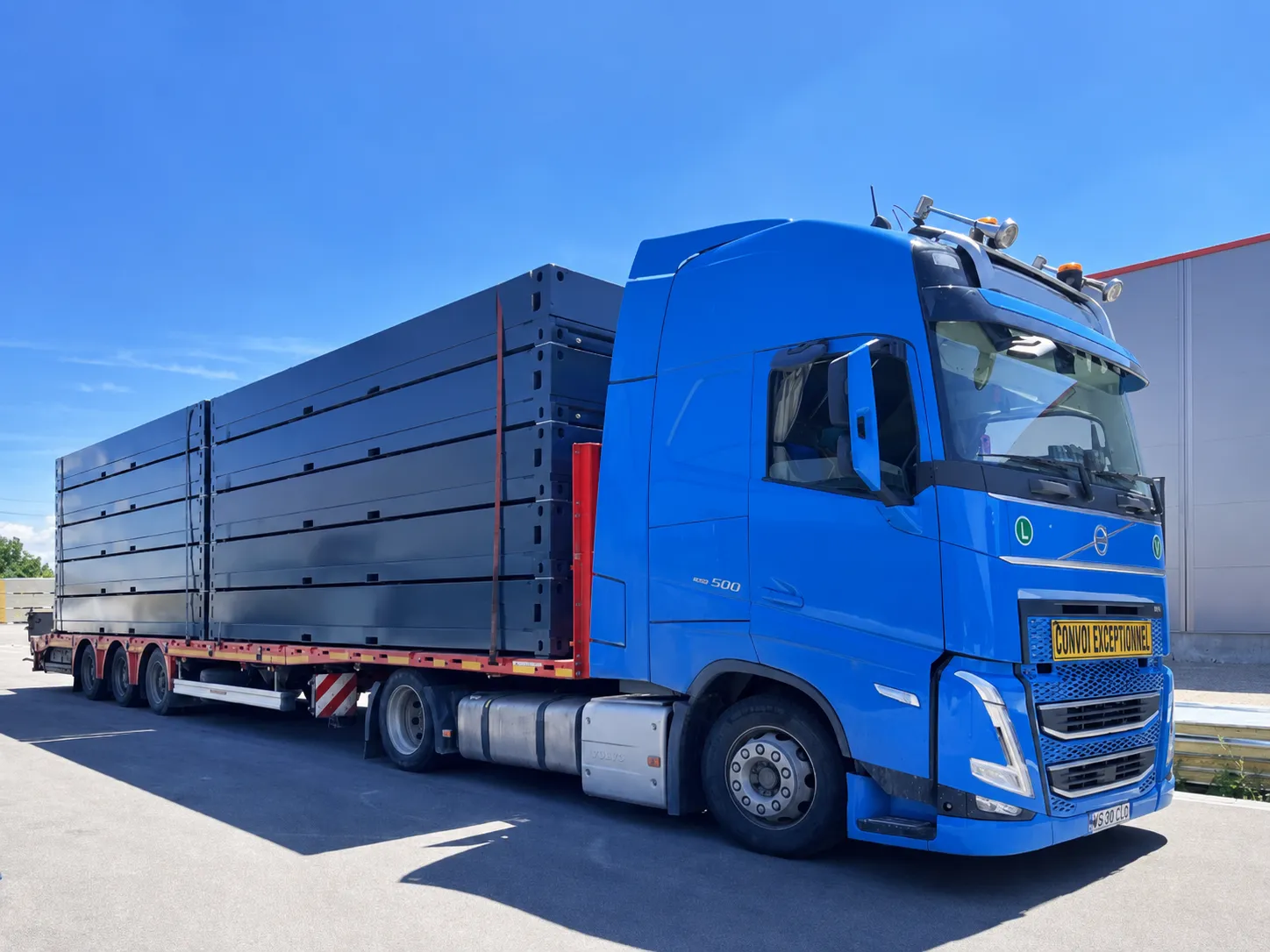
Here, the logistics multiplier is decisive. HEPF's foldable container line allows up to ten units per truck, compared to the standard one or two rigid containers per truck. For a festival that needs 30 units, that is three truck movements instead of 15-30. The reduction in road hours, fuel cost, and site congestion during load-in is substantial. The FL Retail Line, a patented foldable point-of-sale unit, deploys in minutes for ticketing, merchandise, and food-and-beverage kiosks.
HEPF has delivered event infrastructure for the World Economic Forum in Davos and UEFA Women's Euro 2025, coordinating complete modular compounds under tight operational deadlines. These are not small-scale deployments. They involve multiple unit types, multiple site areas, and coordination with security, broadcast, and hospitality teams simultaneously.
Choosing a Partner, Not Just a Supplier
A container yard will sell or rent you a box. You arrange transport. You arrange craning. You arrange the foundation, the power connection, the water supply, the waste removal. You coordinate the timeline yourself. If something goes wrong on site, you call the haulier, the crane operator, and the electrician separately and hope someone answers.
A modular infrastructure partner does something different. HEPF coordinates the full path from requirement to operational facility: layout planning, unit selection, delivery scheduling, installation support, service connections, and handover. When you need offices, sanitary facilities, storage, and retail kiosks for the same event, that is one point of contact, one delivery schedule, and one project timeline, rather than four separate supplier relationships that you are trying to synchronise yourself.
Who handles transport, craning, and service connections?
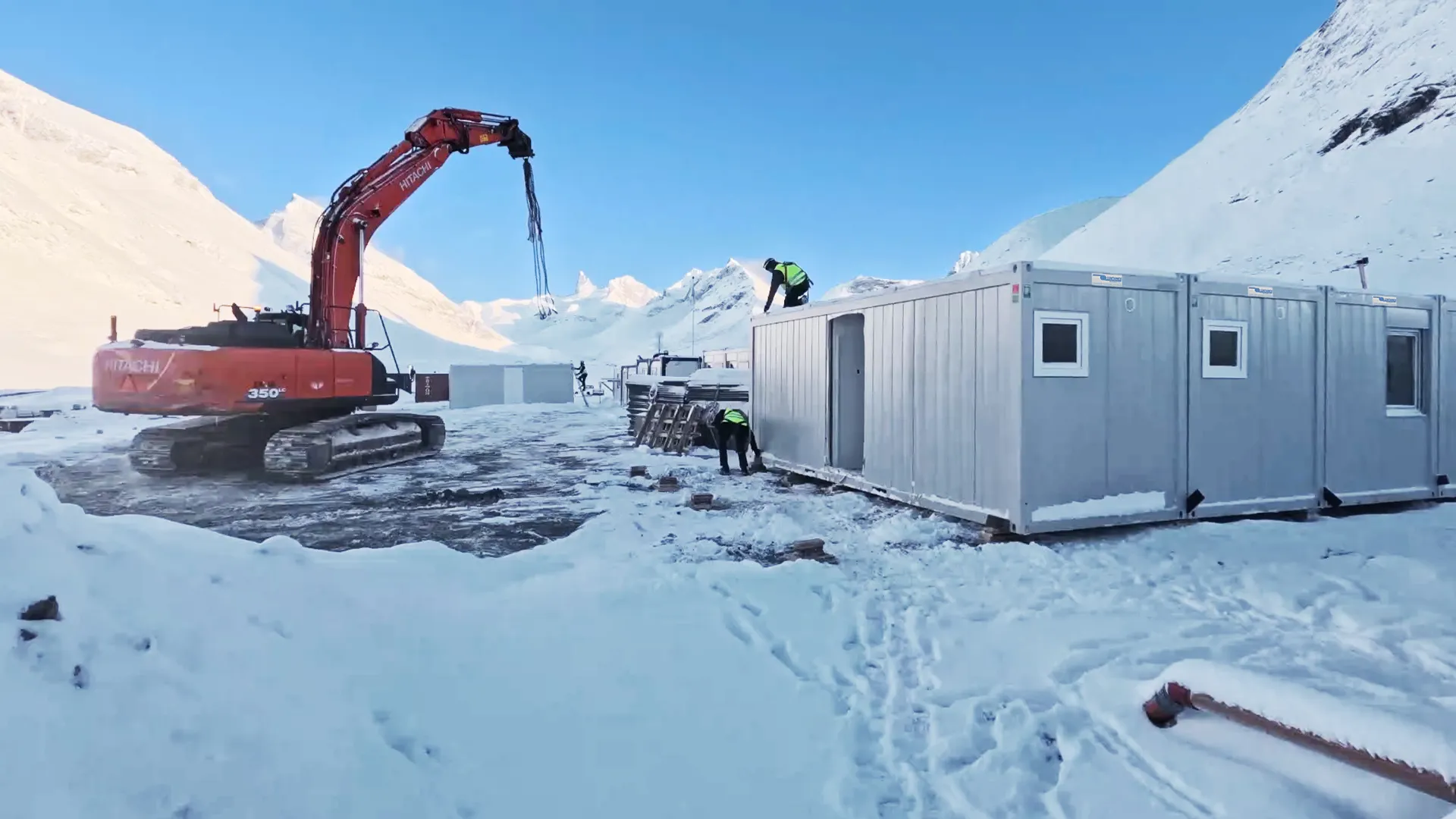
This is a question you should ask any supplier before signing. With HEPF, the answer is that these elements are coordinated as part of the project. You are not handed a container and left to figure out the rest. Foundation requirements, crane access, power and water hookups: these are discussed during planning, not discovered on delivery day.
Swiss-led project coordination brings a particular discipline to this process. Timelines are documented, dependencies are mapped, and contingencies are identified before the first truck leaves the depot. For high-pressure event builds, that structure is not a luxury. It is the difference between a controlled installation and an improvised one.
Rent, Buy, or Return: Matching the Model to the Event Cycle
The right commercial model depends on your event's lifecycle, not on a salesperson's preference.
If you are running a one-off corporate event or a single festival edition, rental is almost certainly correct. You pay for the duration you need, the units are returned, and your balance sheet stays clean.
If you run an annual event at the same venue, a lease or buy-back arrangement may be more cost-effective over three to five years. You secure availability each year without competing for stock during peak season, and the units can be stored or redeployed between editions.
If you are a venue operator adding permanent infrastructure, such as additional hospitality suites, site offices, or sanitary blocks, purchase makes sense. The units become a fixed asset with a long useful life.
The factors that determine which model fits are: project duration, budget structure (capex versus opex), whether the configuration will be reused, and how certain you are about future requirements. A good modular infrastructure partner will walk through these variables with you rather than defaulting to the option with the highest margin.
The ability to scale up or down between event editions without owning idle stock is one of the genuine structural advantages of working with a rental fleet. You are not maintaining, insuring, and storing units for eleven months to use them for one.
Reducing Risk When the Clock Is Already Ticking
Event infrastructure failures follow a predictable pattern. The requirement was known. The specification was agreed. The order was placed. But the delivery was late, the site was not ready, the crane could not access the drop zone, or the units arrived and did not match the configuration that was discussed.
Every one of these failure modes is mitigated by three things: proximity of available stock, pre-deployment inspection, and coordinated project management.
Depot proximity is your buffer against late decisions. When a venue change lands on your desk eight weeks before the event, or a capacity increase is mandated after ticket sales exceed projections, the question is whether your supplier can mobilise additional units in days, not weeks. A distributed depot network with rental fleet availability makes that possible.
Showroom inspection is your buffer against specification mismatches. When you have physically stood inside the unit and confirmed the finish, the layout, and the functionality, the risk of a nasty surprise on delivery day drops sharply.
Single-point coordination is your buffer against fragmented communication. When one partner is responsible for the offices, the toilets, the storage, and the retail kiosks, there is one timeline, one set of delivery windows, and one project manager who owns the outcome.
Booking lead times for major event venues have stretched in recent years, with some now requiring 18-24 months' advance commitment. Modular infrastructure operates on a parallel, compressed timeline. While the venue is booked years ahead, the infrastructure that fills it can be confirmed, configured, and delivered in weeks. That asymmetry is strategically useful. It means you can lock in the venue early and defer infrastructure decisions until your requirements are clearer, your sponsorship deals are signed, and your audience estimates are firmer.
The underlying argument is simple. When your timeline is already tight, the physical location of your infrastructure stock and the coordination capacity of your supplier are not secondary considerations. They are the primary ones.
.webp)
Book a free consultation
Open, non-binding and tailored to your project.