Pre-Owned Modular Buildings
Why Pre-Owned Modular Buildings Deserve Serious Consideration
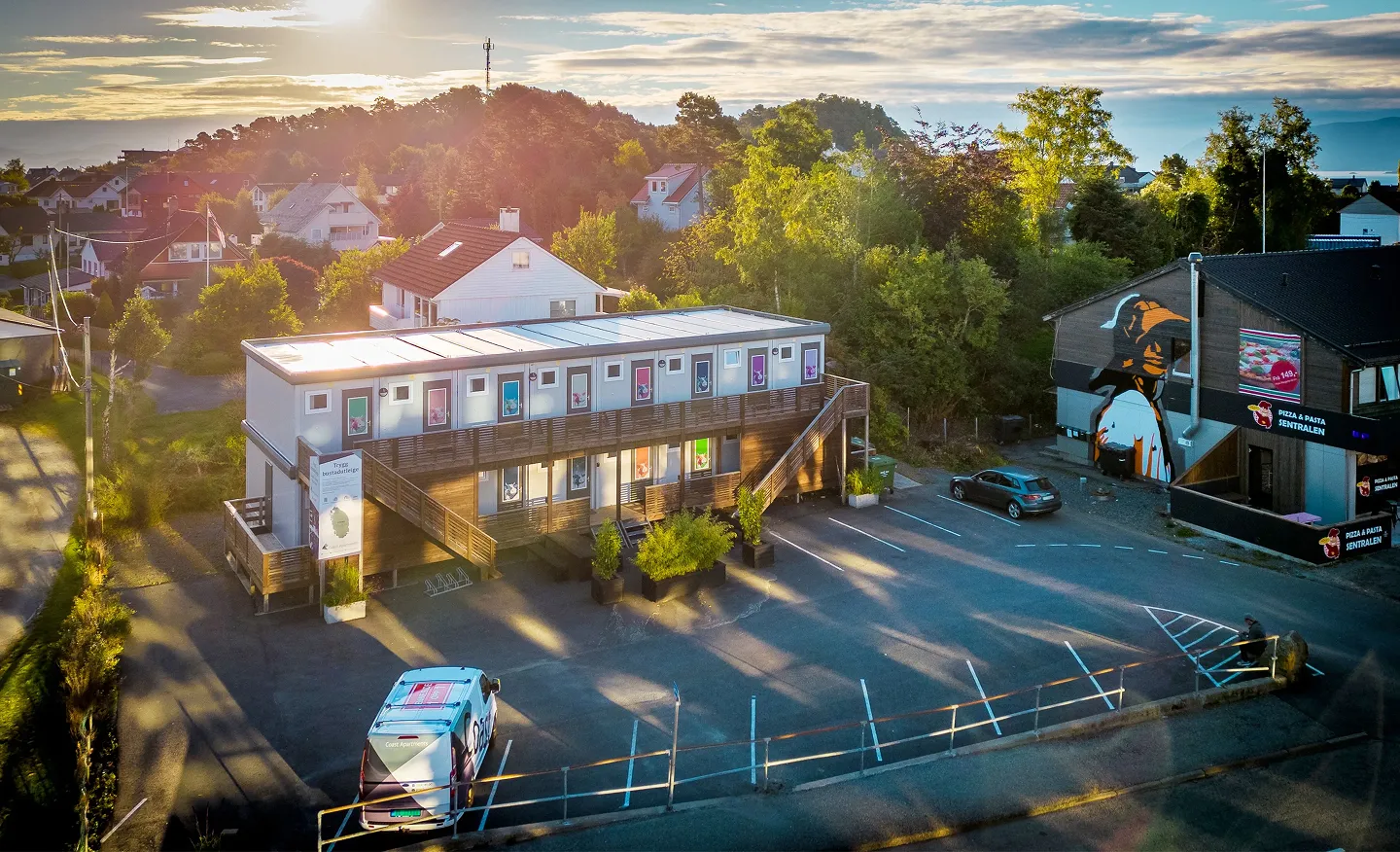
Not every modular project needs to start from scratch. Pre-owned and refurbished modular buildings offer a proven path to operational space, often faster, with significantly lower embodied carbon, and at a fraction of the cost of new-build alternatives. But "used" does not mean "compromised." Modular systems are engineered for relocation and reuse from the outset, which makes their second life fundamentally different from, say, stripping out a conventional building and hoping the structure holds.
By the end of this article, you will understand what refurbishment actually involves at a technical level, know exactly what to evaluate before committing to a pre-owned unit, and be able to compare acquisition models with confidence. Whether you are sourcing interim classrooms, event infrastructure, workforce housing, or commercial space, this is the practical guide the market has not yet provided.
What "Refurbished" and "Pre-Owned" Actually Mean in Modular Construction
The terms get used loosely, so it is worth being precise. A pre-owned modular building is one that has completed a previous deployment and been returned or decommissioned. What happens next determines whether you are looking at a "used as-is" unit or a "fully refurbished" one.
Used as-is
Minimal intervention. The unit is inspected for obvious defects, cleaned, and made available. It may still show wear from its previous deployment. This is appropriate for short-term, low-specification needs such as site storage or temporary back-of-house space where aesthetics are secondary.
Fully refurbished
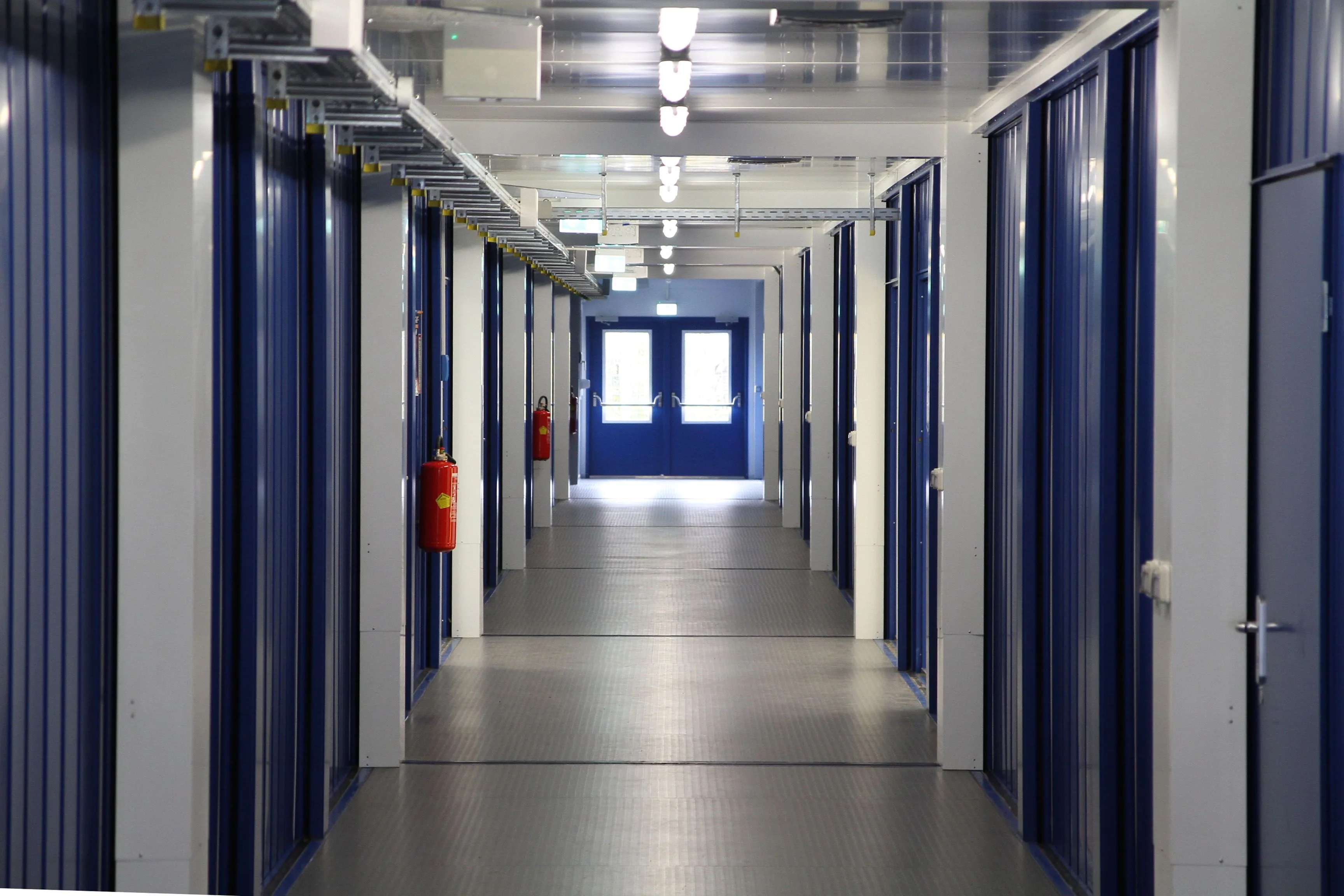
A structured process that typically includes structural inspection (frame, welds, floor chassis, corner castings), corrosion treatment or recoating, replacement of interior finishes (flooring, wall panels, ceiling tiles), updated electrical and mechanical services, new insulation where required, and compliance upgrades to meet current standards for the intended use. A well-refurbished unit can be functionally indistinguishable from new for its next deployment.
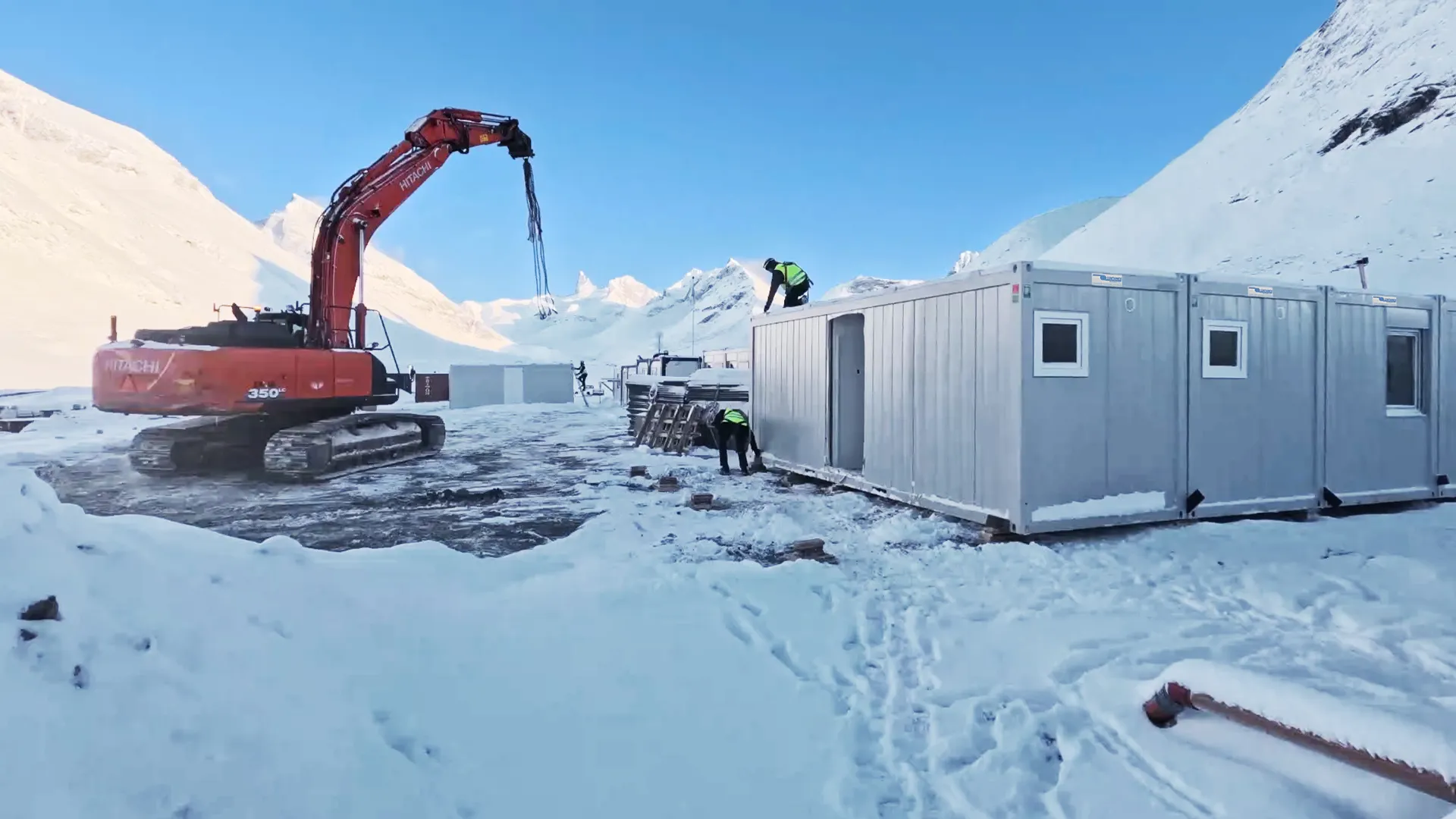
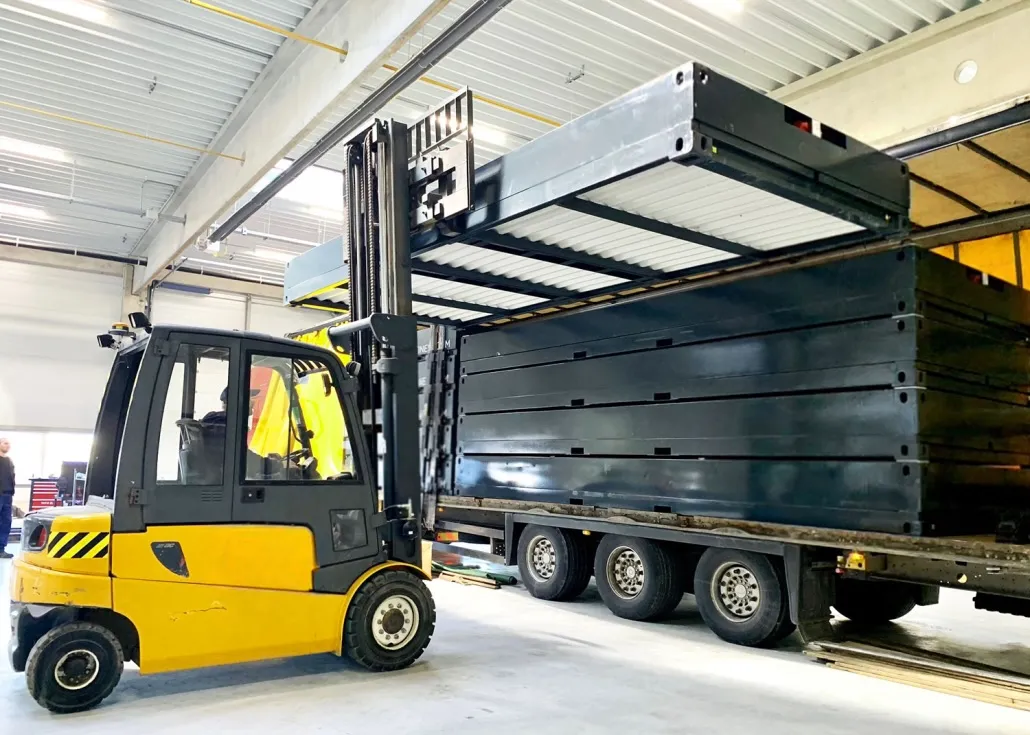
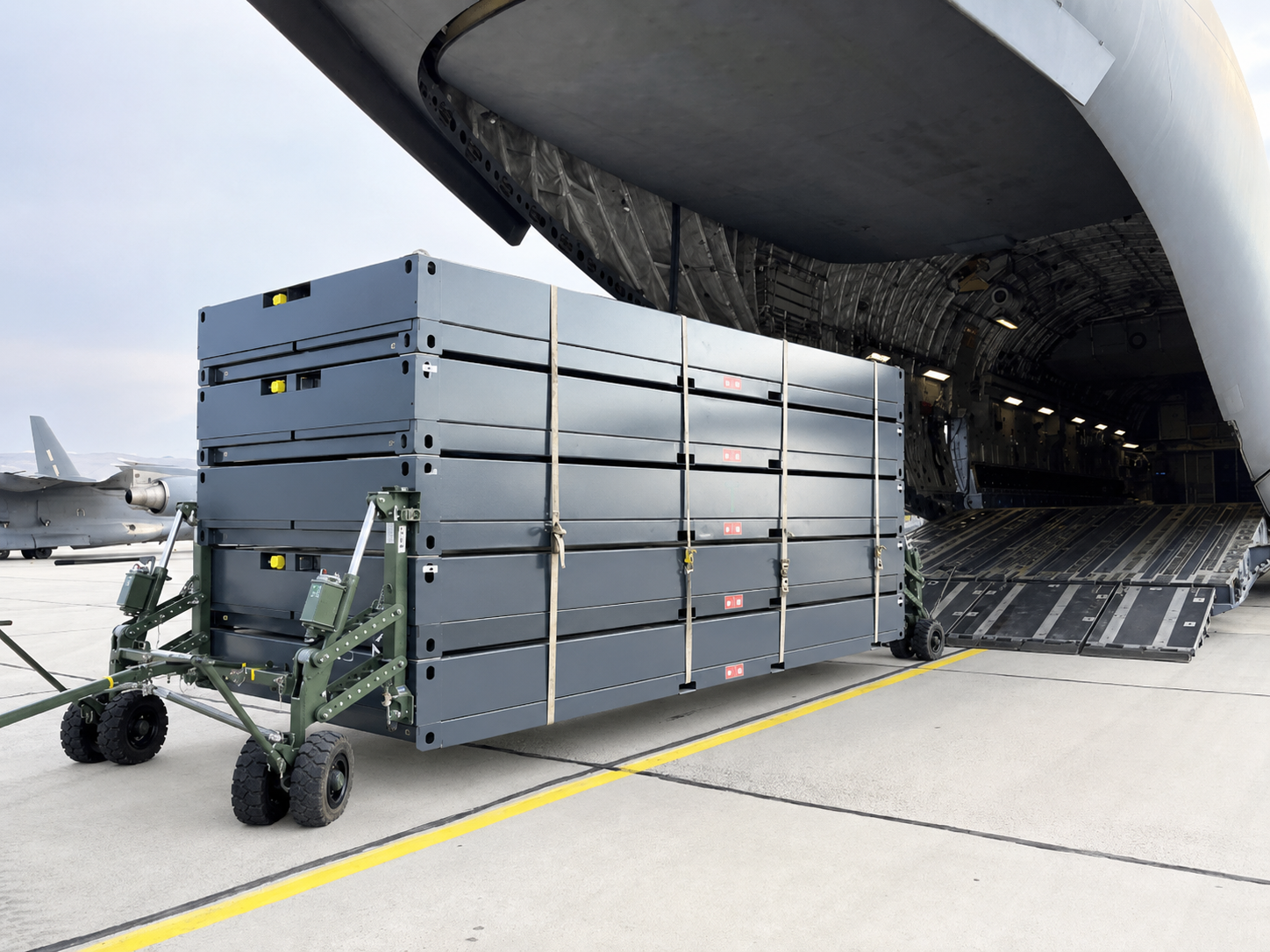
The critical point is that modular buildings are inherently designed for disassembly, transport, and reassembly. A steel-framed modular unit that has served as a classroom for five years still has a chassis and superstructure engineered for lifting, stacking, and relocation. This is not a building being "saved from demolition." It is a system completing the cycle it was designed for.
The Sustainability Case: Carbon Savings and Circular Thinking
The environmental argument for reusing modular buildings is not vague or aspirational. It is quantifiable.
Research from the Waste and Resources Action Programme (WRAP) and the Green Construction Board indicates that refurbished modular buildings can deliver 42 to 46 percent lower embodied carbon compared to equivalent new-build modular units. Data from the Steel Construction Institute goes further: steel-framed modular buildings that are reused rather than replaced can generate less than 10 percent of the carbon emissions associated with traditional new construction.
These figures matter because embodied carbon, the emissions locked into materials, manufacturing, and transport, accounts for a substantial share of a building's total lifecycle emissions. When you reuse a modular building, you avoid the carbon cost of manufacturing a new steel frame, producing new cladding panels, and shipping raw materials across supply chains. The heaviest carbon expenditure has already been made.
Design for Disassembly and resource recovery
ISO 20887:2020 (Sustainability in buildings and civil engineering works, Design for disassembly and adaptability) formalises the principle that buildings should be designed so their components can be separated, recovered, and reused. Modular construction is one of the few building methods where this is not an afterthought but a structural feature. Research linked to this standard suggests that Design for Disassembly enables up to 50 percent better resource recovery rates compared to conventional demolition.
The EU Circular Economy Action Plan identifies construction as a priority sector. Refurbished modular buildings sit squarely within this policy direction. If your organisation reports against sustainability targets or net-zero commitments, the embodied carbon savings from choosing refurbished over new are measurable under EN 15978, the European standard for assessing the environmental performance of buildings. This is not greenwashing territory. It is auditable.
Cost and Time Advantages Over New-Build Modular
Pre-owned modular buildings typically cost 20 to 40 percent less than equivalent new units. The exact saving depends on the age of the unit, the scope of refurbishment, and the specification level you need. A lightly used storage container will be at the cheaper end. A fully refurbished classroom module with new interiors, updated electrics, and thermal upgrades will cost more but still sit well below the price of ordering the same unit new from a production line.
Lead times
This is where pre-owned units offer their most decisive advantage. New modular production runs typically take weeks to months depending on specification, order volume, and factory capacity. Pre-owned units that have already been inspected and refurbished can be available in days to weeks. For projects with fixed deadlines, whether a school term start, an event date, or an emergency housing need, this difference can determine whether the project is feasible at all.
Budget reallocation
Lower capital cost on the unit itself frees budget for other elements: site preparation, fit-out to a higher specification, additional modules, or simply a healthier contingency. For public sector procurement in particular, the ability to demonstrate cost efficiency while meeting quality standards strengthens the business case.
What to Evaluate Before Choosing a Pre-Owned Modular Building
This is the section that matters most if you are making a real purchasing decision. A pre-owned modular building is only a good decision if you know what you are getting. Here is what to assess, and why each point matters.
Structural integrity
The steel frame is the unit's skeleton. Look for corrosion, particularly on the underside of the floor chassis and around corner castings, which take the most stress during lifting and transport. Check weld quality and any signs of repair or modification to the frame. For units that have been stacked, inspect the top and bottom corner fittings for deformation. A frame in good condition can serve for decades. A compromised frame is not worth refurbishing.
For steel structures, EN 1090 sets out execution classes for structural steelwork. Ask whether the unit was originally fabricated to this standard and whether any structural repairs have been carried out to equivalent quality.
Compliance with current regulations
Building regulations evolve. A unit that was compliant when first deployed may not meet current thermal performance, fire safety, or accessibility requirements for its intended new use. This is the most common trip-up for buyers.
Thermal performance standards vary by country and intended use. In Switzerland, SIA norms govern energy performance. Across the EU, national implementations of the Energy Performance of Buildings Directive set minimum requirements. A unit destined for use as a classroom or office will face different thermal demands than one used for storage.
Fire safety is equally critical. Older units may have been built to superseded fire classifications. EN 13501 (reaction to fire classification) is the current European reference. If the unit will be occupied, particularly in education or housing, verify that wall, ceiling, and insulation materials meet the appropriate classification. Upgrades may be needed and should be factored into the refurbishment cost.
Electrical and mechanical services
Wiring, distribution boards, lighting, plumbing, and HVAC systems all age. Ask how old the electrical installation is, whether it has been tested recently, and whether it meets current standards for the intended use. Plumbing in sanitary units should be inspected for leaks, corrosion, and compliance with hygiene standards. HVAC systems should be assessed for efficiency and refrigerant type, particularly if older units use refrigerants now subject to phase-out under EU F-gas regulations.
Interior condition
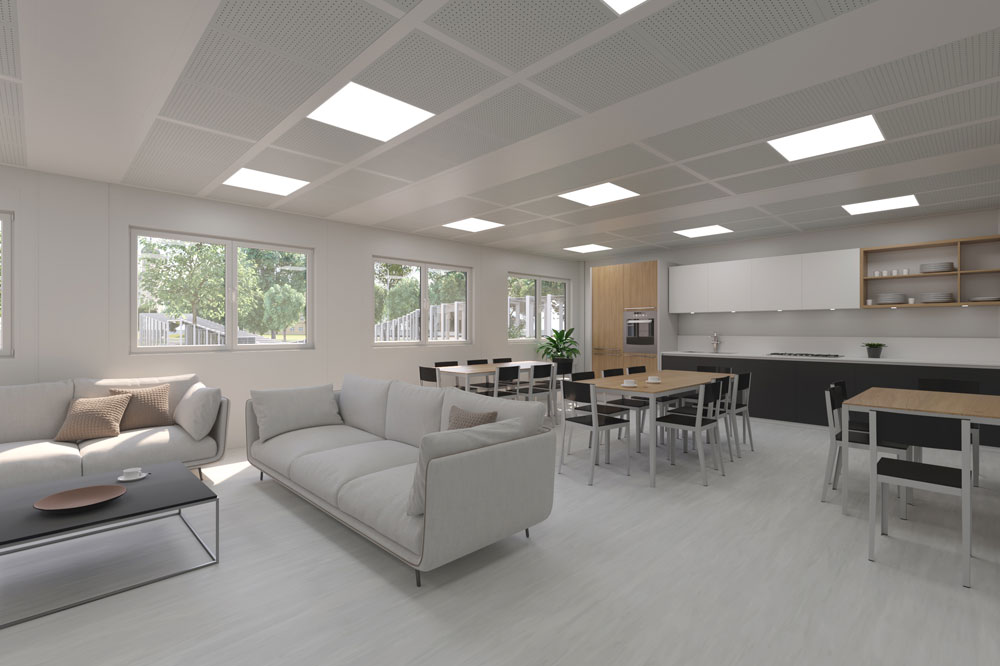
Flooring, wall panels, and ceiling tiles are the most visible indicators of wear but also the easiest to replace. Focus your attention on what lies behind them: insulation condition, vapour barriers, and any signs of moisture ingress or mould. Surface-level cosmetic wear is almost always addressed during refurbishment. Hidden moisture damage is a different category of problem.
Modification potential
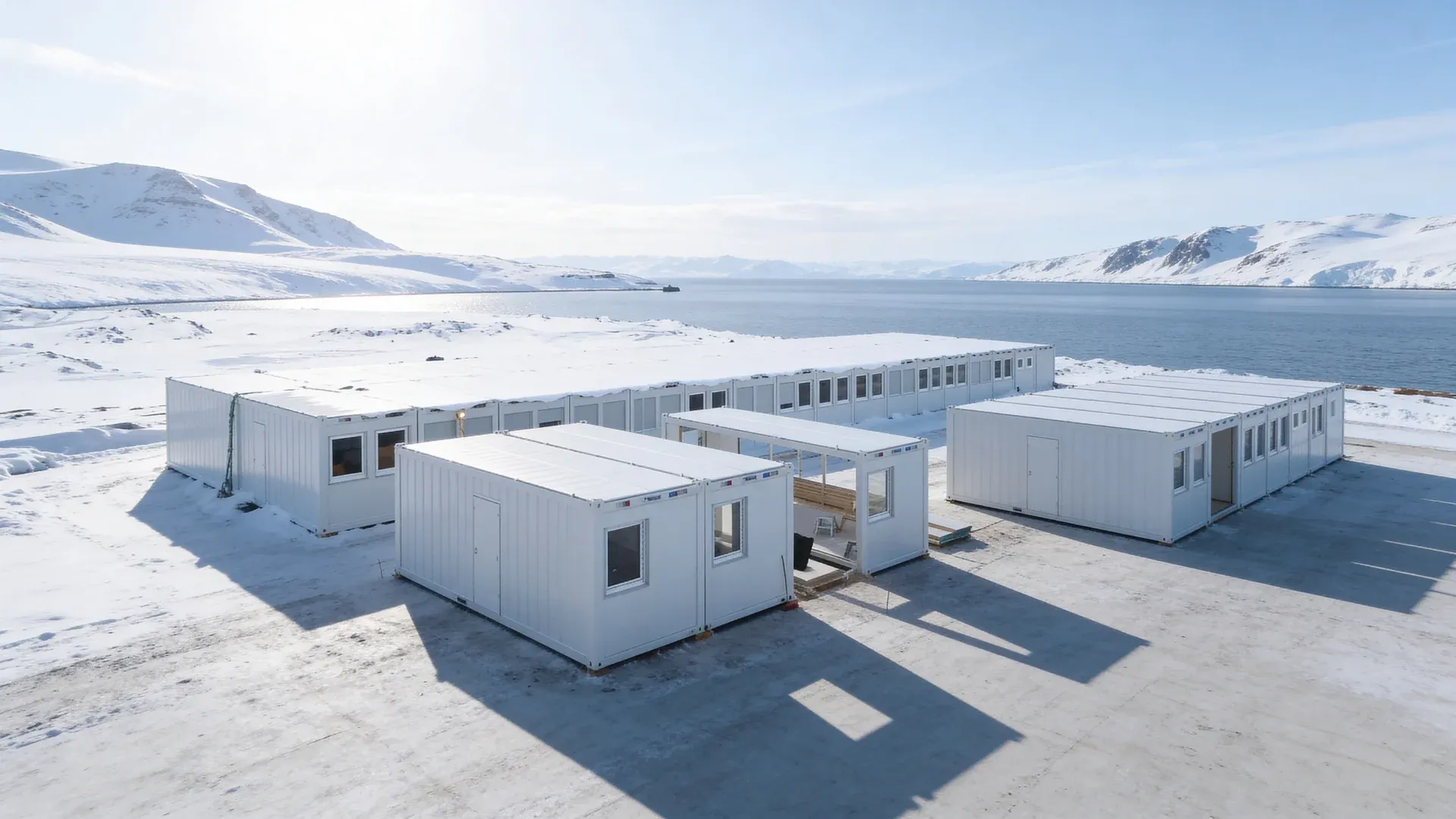
Can the unit be reconfigured for your use case? Can walls be removed or added? Can units be joined side by side or stacked to create multi-module facilities? Not all modular systems are equally adaptable. Units from product lines designed for configurability, such as those intended for classroom, office, or housing use, will offer more flexibility than basic storage containers.
Documentation
Ask for the unit's maintenance history, previous use context, and transport record. A unit that has been relocated multiple times may have more frame wear than one that sat on a single site. Previous use matters: a unit used for chemical storage will need different inspection than one used as an office. Good documentation is a sign of a professional supply chain.
Use Cases Where Pre-Owned Modular Buildings Excel
Education
Interim classrooms during renovation or expansion are perhaps the most natural fit. Schools face fixed term dates, tight budgets, and zero tolerance for disruption to students. Pre-owned classroom modules from a quality product line, refurbished to current standards, can be on site and operational within weeks. The alternative, temporary portacabins of uncertain provenance, is what gives "used" a bad name. Properly refurbished modular classrooms are a different proposition entirely.
Housing
Refugee accommodation and workforce housing require dignified, safe, private living space, deployed quickly. Pre-owned modular housing units that have been refurbished to residential standards, with proper insulation, sanitary facilities, and privacy, meet this need without the lead times or cost of new construction. This is housing infrastructure, not emergency shelter, and the distinction matters for public defensibility and the wellbeing of occupants.
Events
Festivals, sporting events, and conferences need back-of-house operational buildings, sanitary infrastructure, ticketing points, and crew accommodation. These are inherently temporary deployments, making pre-owned units a natural fit. The infrastructure needs to work flawlessly for a defined period, then be removed. Units from modular fleets with documented maintenance histories are ideal.
Commercial and industrial
Site offices during construction phases, secure storage on active sites, workshop space, welfare units, and retail pop-ups all benefit from the speed and cost profile of pre-owned modular. For construction firms in particular, the maths is straightforward: renting refurbished site offices and storage for the duration of a project is almost always cheaper than buying new.
Rent, Buy, or Lease: Flexible Acquisition Models
The right commercial model depends on your project duration, budget structure, and what you plan to do with the unit afterwards.
- Outright purchase suits long-term or permanent placements. You own the asset, control its maintenance, and can sell or relocate it later. Pre-owned purchase is particularly attractive because the depreciation curve has already flattened.
- Rental suits defined project durations: a single school year, a construction phase, an event season. You pay for the time you use, return the unit, and carry no residual asset risk.
- Lease or lease-to-own preserves capital flexibility. You spread the cost over time and may have the option to purchase at the end of the term.
- Buy-back arrangements mean you can purchase a unit now and have the supplier take it back at a pre-agreed value when your need ends. This is effectively a guaranteed exit, reducing the financial risk of committing to a purchase.
A good project partner will advise on the most appropriate model rather than defaulting to whichever generates the highest margin. The best model for a three-month event deployment is not the best model for a five-year interim school. Ask for scenario-based cost comparisons.
How Long Do Refurbished Modular Buildings Last?
The Modular Building Institute cites typical lifespans of 25 to 30 years for temporary modular buildings with proper maintenance, and over 50 years for permanent modular construction. A thorough refurbishment effectively resets much of the wear on a unit's interior and services, while the structural frame, if well-maintained, retains its integrity across multiple deployment cycles.
Lifespan depends on four factors: original build quality, the materials used (steel frame thickness, cladding type, insulation grade), the maintenance regime during each deployment, and environmental exposure (coastal sites with salt air will accelerate corrosion compared to sheltered inland locations). A well-refurbished unit from a quality product line, deployed on a properly prepared site, will perform comparably to a new unit for its next cycle.
At end of life, the circular logic holds. Steel frames are almost entirely recyclable. Interior components can be stripped and sorted for recycling or reuse. Design for Disassembly means the unit does not end its days as mixed demolition waste. It is disaggregated into recoverable material streams.
Questions to Ask Your Modular Partner Before Committing
Use these as a framework for your next conversation with any supplier:
- What was the unit's previous use, and how long was it deployed?
- What refurbishment scope is included: cosmetic only, or full structural and services overhaul?
- Does the unit comply with current regulations for my intended use, whether that is education, housing, public access, or commercial?
- Can the unit be modified, extended, or combined with other modules to form a larger facility?
- What delivery, installation, and commissioning support is provided, and who coordinates it?
- What happens at end of use: can the unit be returned, resold, or relocated?
- What documentation comes with the unit: maintenance history, structural inspection records, compliance certificates?
A supplier that welcomes these questions is one that understands their stock. One that deflects them is selling boxes, not infrastructure.
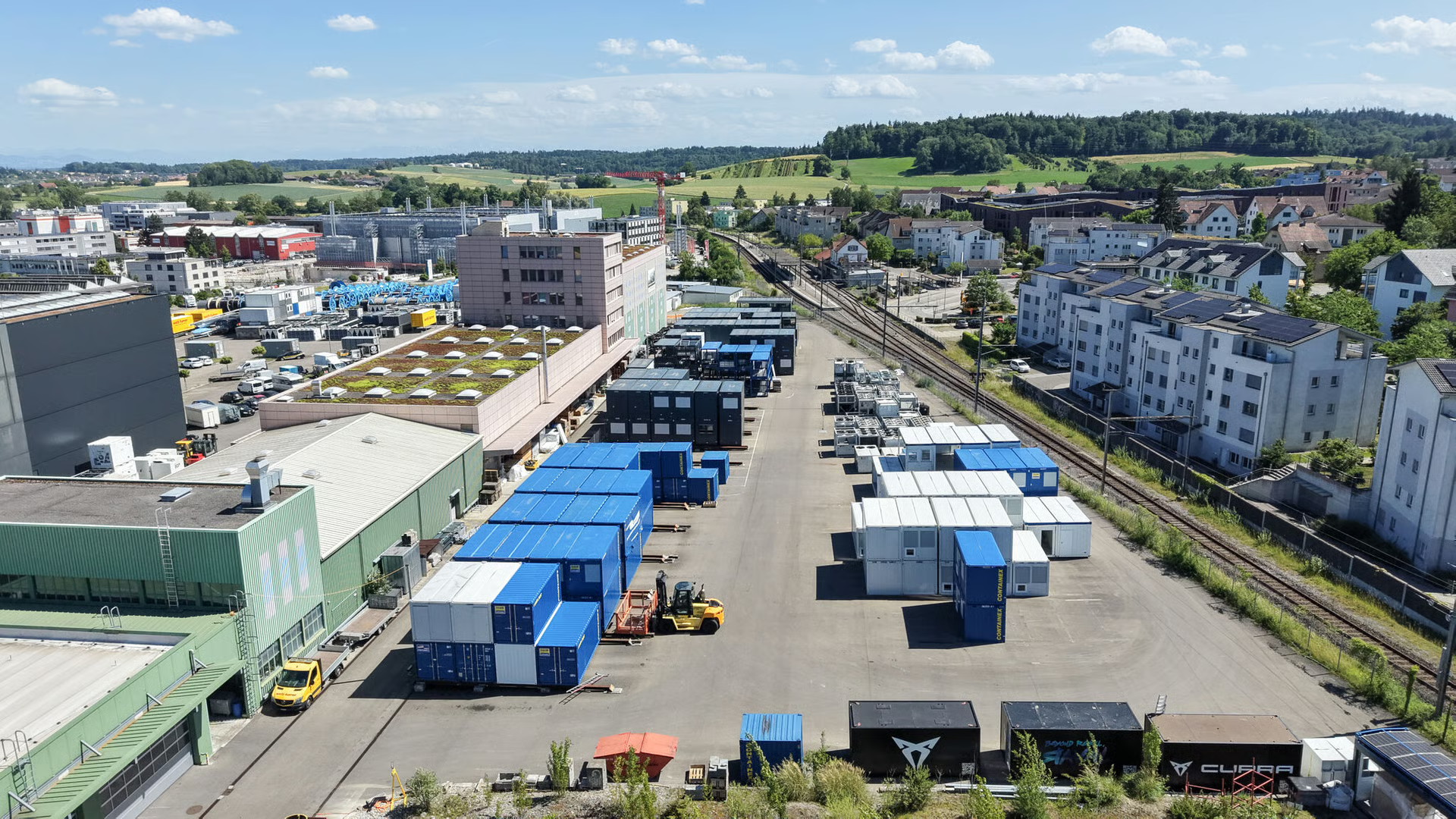
HEPF AG coordinates modular infrastructure projects across Europe, including sourcing, configuring, and delivering pre-owned and refurbished units. As a Swiss-led project partner, not a container yard or reseller, HEPF helps clients select the right modular system for their use case, whether that means new, refurbished, rented, or bought back. HEPF maintains several depots across Europe with inspected, second-life containers and modular systems ready for deployment, which means stock availability and shorter lead times for clients who need to move quickly. From requirement to operational facility, the approach is consistent: Plan. Configure. Deliver.

.webp)
Book a free consultation
Open, non-binding and tailored to your project.