Can You Get a Modular Homes Mortgage?
Can You Actually Get a Modular Homes Mortgage?
If you are considering a modular home, the financing question probably sits near the top of your list. The short answer is yes, you can get a mortgage on a modular home, but the process is rarely as straightforward as walking into a high-street bank with a standard new-build. Lenders classify modular construction differently, valuations can be harder, and the documentation you need is more specific.
By the end of this article you should understand exactly why some lenders hesitate, what you can do to smooth the process, and how the choices you make about your modular home's specification, foundation and manufacturer directly affect whether a mortgage is granted and on what terms.
What Makes a Modular Home Different from a Manufactured or Mobile Home
This distinction matters enormously to lenders, so it is worth getting right.
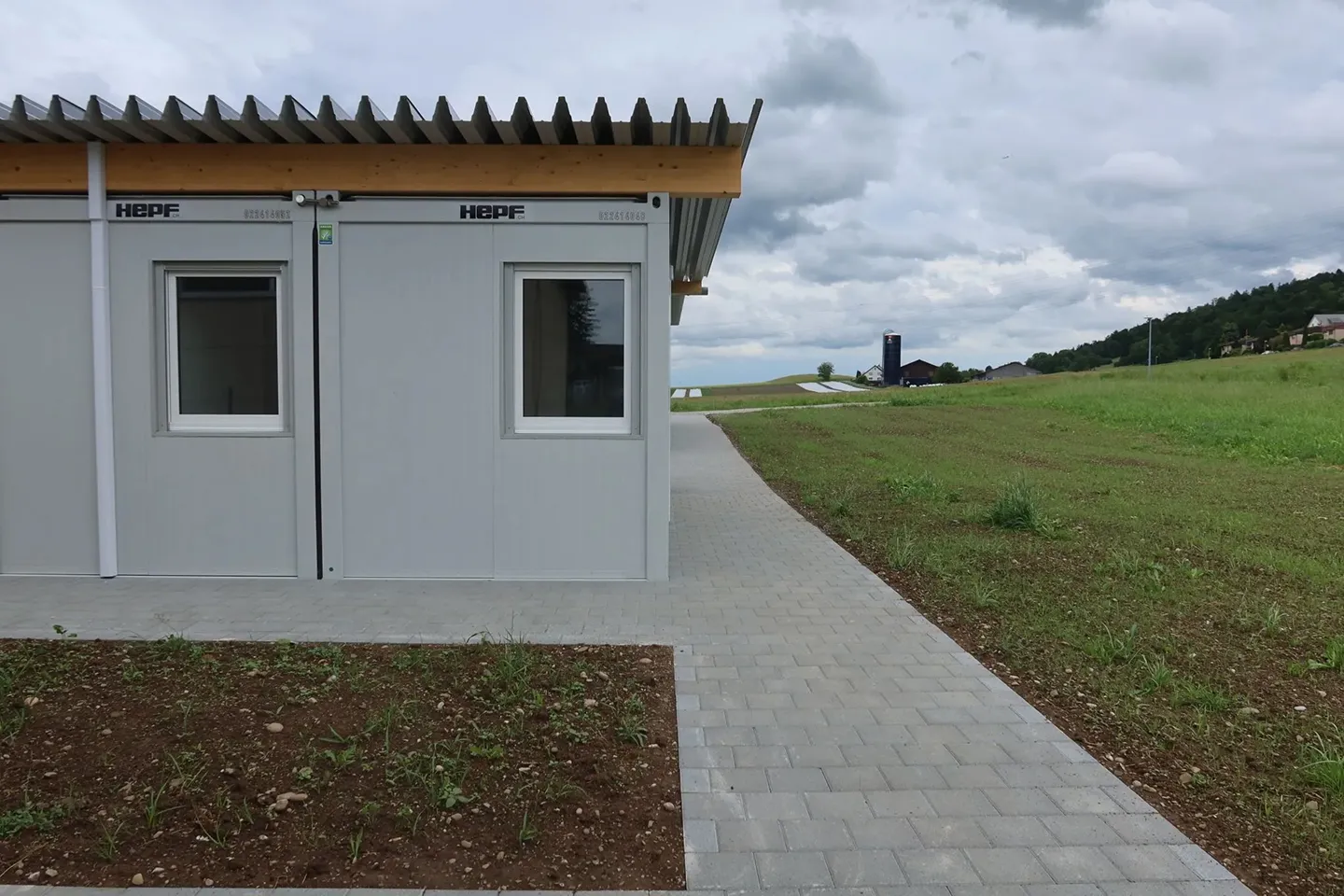
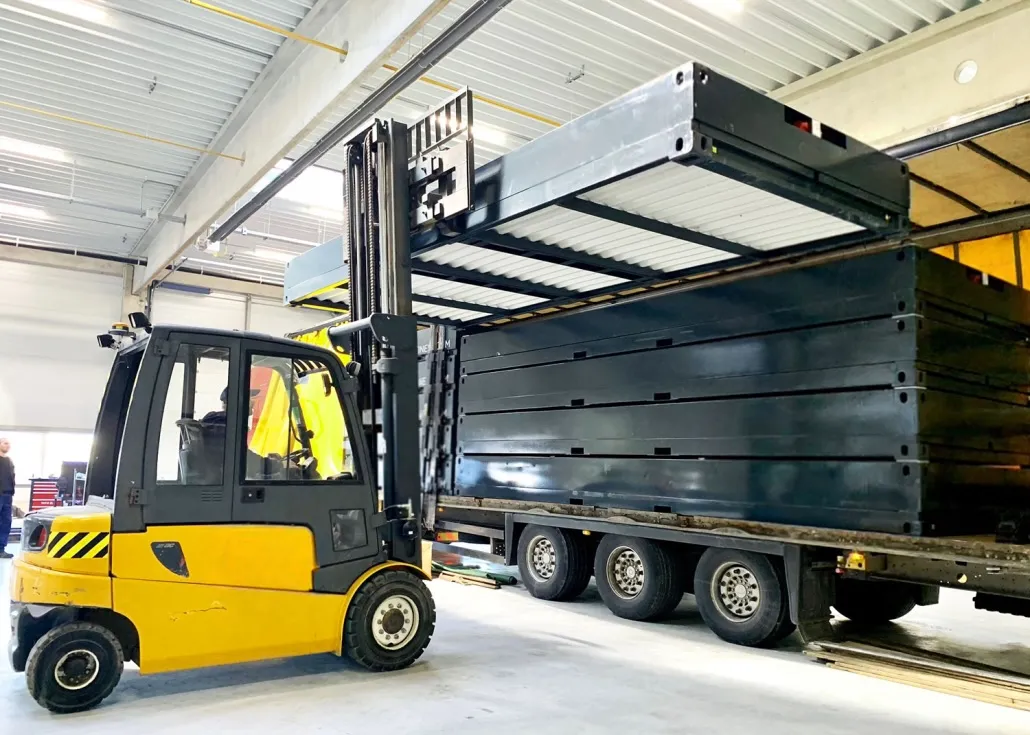
A modular home is built in volumetric sections in a factory, transported to site, and assembled on a permanent foundation. Once completed, it must comply with the same building regulations as any site-built house. In England and Wales that means Building Regulations 2010; in Scotland, Building Standards; in Switzerland, the relevant cantonal building codes and SIA standards.
A manufactured home (sometimes still called a mobile home) is built to a different, typically lower, standard. In the US, that is the HUD Code rather than local building codes. In the UK, residential park homes are built to BS 3632, which is not the same as full Building Regulations compliance.
Lenders care about this because a modular home built to full building regulations is, legally and structurally, equivalent to a conventional house. A manufactured or mobile home is not. If your lender conflates the two, you have a classification problem, not a product problem.
How does this affect your mortgage application?
When a lender sees "modular" or "prefab" on a surveyor's report, they may default to treating it as non-standard construction. Non-standard construction is not unmortgageable, but it narrows your lender options and may affect your loan-to-value ratio and interest rate. Establishing clearly that your home meets full building regulations is the single most important thing you can do.
Modular Homes Mortgage Eligibility: What Lenders Look For
Lenders assessing a modular home mortgage application focus on a handful of criteria that differ from a standard property purchase.
Permanent foundation
This is non-negotiable for virtually every mortgage lender. A modular home sitting on a temporary base, on skids, or on blocks without proper footings will not be treated as real property. You need a permanent foundation, typically concrete strip or raft foundations designed to the relevant structural codes. If you are buying land and placing a modular home on it, factor foundation design and construction into your project plan and budget from the outset.
Building regulations compliance and sign-off
Your modular home needs to pass the same inspections as a site-built house. In England and Wales, that means sign-off from Local Authority Building Control (LABC) or an approved inspector. The factory build stages may be inspected at the manufacturing facility, with final inspection on site after installation. Keep all compliance certificates; lenders and their solicitors will ask for them.
Structural warranty
Most mortgage lenders require a 10-year structural warranty. For modular homes in the UK, the main options are NHBC Buildmark, Premier Guarantee, and LABC Warranty. Not all warranty providers cover modular construction, so check before committing to a manufacturer. A home without an accepted warranty is, for practical purposes, unmortgageable through mainstream channels.
BOPAS accreditation
The Build Offsite Property Assurance Scheme (BOPAS) was created specifically to give lenders confidence in offsite-built homes. It is backed by the NHBC, RICS, BLP and others. A BOPAS-accredited home has been independently assessed for durability (minimum 60-year lifespan), and the manufacturing process has been audited. If your manufacturer holds BOPAS accreditation, it significantly widens the pool of lenders willing to offer you a mortgage. Ask any manufacturer you are considering whether they hold it or are working towards it.
Planning permission
This sounds obvious, but the type of planning consent matters. Full, unconditional planning permission for residential use is what lenders want. Temporary planning consent, personal consent tied to a named individual, or agricultural-tie conditions can all make a property unmortgageable regardless of how it is built.
Types of Mortgage Available for Modular Homes
Standard residential mortgage
If your modular home is on a permanent foundation, has full building regulations sign-off, an accepted structural warranty, and sits on land with standard residential planning permission, some lenders will treat it exactly like a conventional house. In the UK, Ecology Building Society is one of the more publicly willing lenders for offsite construction, but several building societies and specialist lenders also consider modular homes case by case.
Expect the loan-to-value ratio to be lower than for a standard new-build. Where a conventional house might attract 90-95% LTV, a modular home on a first application is more commonly offered 75-80% LTV by specialist lenders. That means a larger deposit, typically 20-25%.
Self-build mortgage
If you are buying land and commissioning a modular home, a self-build mortgage may be the more practical route. These release funds in stages: land purchase, foundation, factory build, delivery and installation, and final fit-out. Not all self-build lenders understand modular construction timelines, where the factory build phase may not correspond to the stage inspections they are used to. Choose a lender or broker with experience of offsite construction.
Construction-to-permanent loan
This is more common in the US market. A construction-to-permanent loan covers the build phase and then converts automatically to a standard mortgage once the home is complete. In the UK, the self-build mortgage fulfils a similar function but is structured differently. In Switzerland, construction credit (Baukredit) works on a similar staged-drawdown basis and converts to a standard mortgage (Hypothek) on completion.
FHA and VA loans (US only)
In the United States, FHA Title II loans treat modular homes identically to site-built homes, provided they are on a permanent foundation and meet local building codes. VA loans also apply. These are not relevant if you are buying in Europe, but if you are comparing international options, the US system is notably more accommodating of modular construction than many European high-street lenders.
Challenges and Considerations When Financing a Modular Home
Valuation difficulties
Surveyors working to RICS Red Book standards need comparable sales data to value a property. In areas where few or no modular homes have been sold, finding comparables is difficult. This can lead to conservative valuations, which in turn reduces the amount a lender will offer. There is no easy fix, but providing the surveyor with detailed specifications, compliance documentation, and evidence of the manufacturer's track record can help.
Lender unfamiliarity
Many mortgage advisers and underwriters have limited experience with modular homes. You may be told flatly that modular homes are not mortgageable, which is incorrect but reflects the individual's knowledge rather than the actual lending criteria. Working with a broker who specialises in non-standard construction or self-build finance is the most reliable way around this.
Insurance
Lenders require buildings insurance as a condition of the mortgage. Insuring a modular home can be slightly more complex than insuring a standard build, particularly if the insurer classifies it as non-standard construction. Specialist insurance brokers exist for this purpose. Get an insurance quote before you finalise your mortgage application so there are no surprises at completion.
What are the disadvantages of modular construction when it comes to financing?
The main financing-related disadvantages are the smaller pool of willing lenders, potentially higher deposit requirements, possible interest rate premiums of 0.5-1.5% above standard residential rates, and the need for more documentation than a conventional purchase. These are not insurmountable, but you need to plan for them.
What makes a house not mortgageable?
The most common reasons any property is refused a mortgage are: no permanent foundation, lack of planning permission, absent or unacceptable structural warranty, structural defects identified on survey, short or unusual lease terms, and restrictive covenants on the land. For modular homes specifically, the additional risk factors are non-standard construction classification without BOPAS or equivalent accreditation, and inability to demonstrate building regulations compliance.
How to Make a Prefab House Mortgageable
If you are at the planning stage, you have the advantage of being able to specify your modular home to be mortgage-ready from the outset.
Choose a manufacturer that provides full documentation
A good modular building partner will provide you with a documentation pack that includes structural calculations, building regulations compliance evidence, factory quality control records, material specifications, thermal performance data, and warranty information. This pack is not just for your records; it is what your lender, surveyor, and solicitor will need. If a manufacturer cannot or will not provide this level of documentation, treat that as a warning sign.
Insist on a permanent foundation designed to code
Work with a structural engineer to design foundations appropriate to your site and your modular home's specifications. The foundation should be designed, approved and inspected before your modules arrive.
Secure planning permission early
Full residential planning permission, unconditional and not time-limited, makes the property mortgageable. Apply for and obtain this before committing to the build.
Obtain an accepted structural warranty
Arrange the warranty before construction begins, not after. Warranty providers typically need to inspect the factory and the on-site installation. Retrospective warranties are harder to obtain and less trusted by lenders.
Consider BOPAS accreditation
If your manufacturer is BOPAS-accredited, mention this prominently in your mortgage application. If they are not, ask them whether they would consider applying, particularly if they are building multiple units.
Financing Modular Homes Across Europe
Most of the available guidance on modular home mortgages is UK or US-focused, but if you are buying or placing a modular home in Switzerland, Germany, Austria or elsewhere in Europe, the landscape is different.
In Switzerland, mortgage lending is conservative by international standards. Banks typically lend up to 80% of the property value, requiring 20% equity, of which at least 10% must not come from pension fund assets. The property must be on land you own or have a long-term building right (Baurecht) over. Swiss lenders are generally pragmatic about construction method provided the building meets cantonal building codes and has appropriate insurance. A modular home built and installed to SIA standards and signed off by the relevant cantonal authority should be treatable like any other residential property for mortgage purposes.
In Germany, modular homes (Fertighäuser) have a long history and reasonable lender acceptance. The Qualitätsgemeinschaft Deutscher Fertigbau (QDF) quality seal serves a similar function to BOPAS in the UK, giving lenders confidence in the product.
The key complication for cross-border projects, where a modular home is manufactured in one country and installed in another, is ensuring that the home meets the building codes and warranty requirements of the destination country, not the country of manufacture. A home built in Switzerland to Swiss standards but installed in the UK needs to comply with English or Scottish building regulations and carry a UK-accepted structural warranty. Your manufacturer should be able to advise on this, and it is a question worth asking early.
Can a 70-year-old get a 30-year mortgage?
This question comes up frequently and is not specific to modular homes, but it is worth addressing. In the UK, most lenders have a maximum age at the end of the mortgage term, typically 70-85 depending on the lender. A 70-year-old seeking a 30-year term would need to find a lender with a maximum age of 100, which is rare but not impossible with specialist providers. Shorter terms or equity release products are more commonly used. In Switzerland, mortgage terms are structured differently, with fixed-rate tranches typically running 5-15 years within a longer overall arrangement, so the question is less directly applicable.
Making Your Modular Home Mortgage-Ready: A Summary
The path to a modular homes mortgage is not mysterious, but it requires more deliberate preparation than buying a standard property. The essentials are: permanent foundation, full building regulations compliance, an accepted 10-year structural warranty, unconditional planning permission, comprehensive documentation from your manufacturer, and a lender or broker experienced in non-standard or self-build finance.
If you are working with a modular building partner that understands these requirements, much of the documentation burden is handled as part of the project coordination. The manufacturer's ability to provide compliance evidence, quality records, and warranty support is not a nice-to-have; it is what makes the difference between a smooth mortgage application and a frustrating one.
Start the financing conversation early, ideally before you commit to a specific modular system, so that your lender's requirements can inform your specification rather than conflict with it.




.webp)


Book a free consultation
Open, non-binding and tailored to your project.