How Modular Construction Compresses Timelines
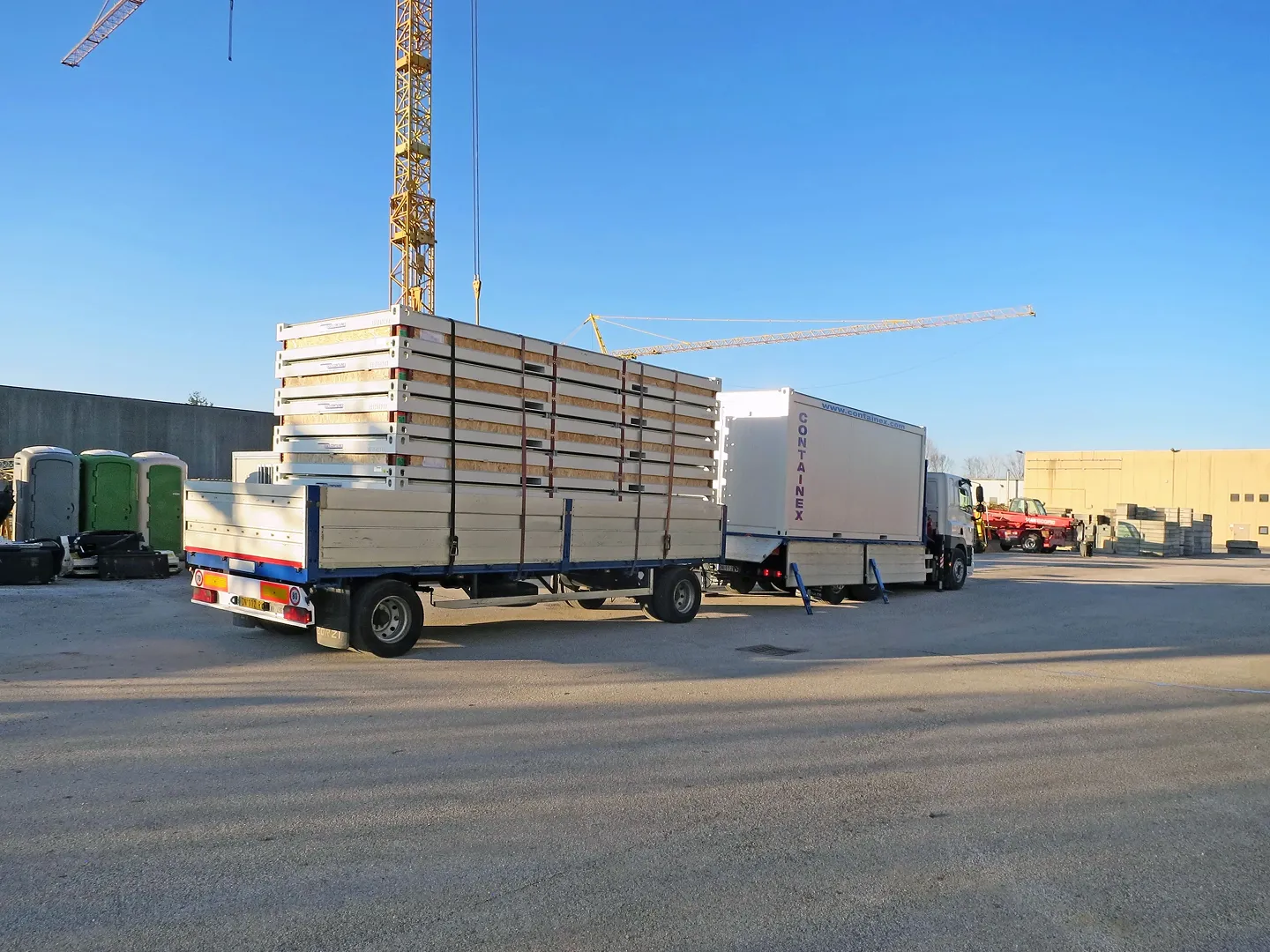
Why Modular Construction Is Faster: The Mechanisms Explained
Traditional building follows a rigid sequence. You clear the site, pour foundations, raise the structure, close the envelope, then fit out the interior. Each phase depends on the one before it. Modular construction breaks that dependency chain by splitting the project into parallel workstreams, so factory production and site preparation happen at the same time. The result is a fundamentally different relationship with time.
This article examines the specific mechanisms that allow modular projects to deliver finished, operational facilities 30 to 50 percent faster than conventional methods. By the end, you should understand not just that modular is quicker, but precisely where the time is recovered, what the practical and financial consequences are, and where the speed advantages have genuine limits.
Parallel Workstreams: The Core Time Advantage
The single biggest reason modular construction compresses project timelines is concurrency. In a conventional build, you cannot start the structural frame until the foundations are done, and you cannot begin the interior fit-out until the building is weathertight. This chain of dependencies means every delay in one phase pushes everything after it backwards.
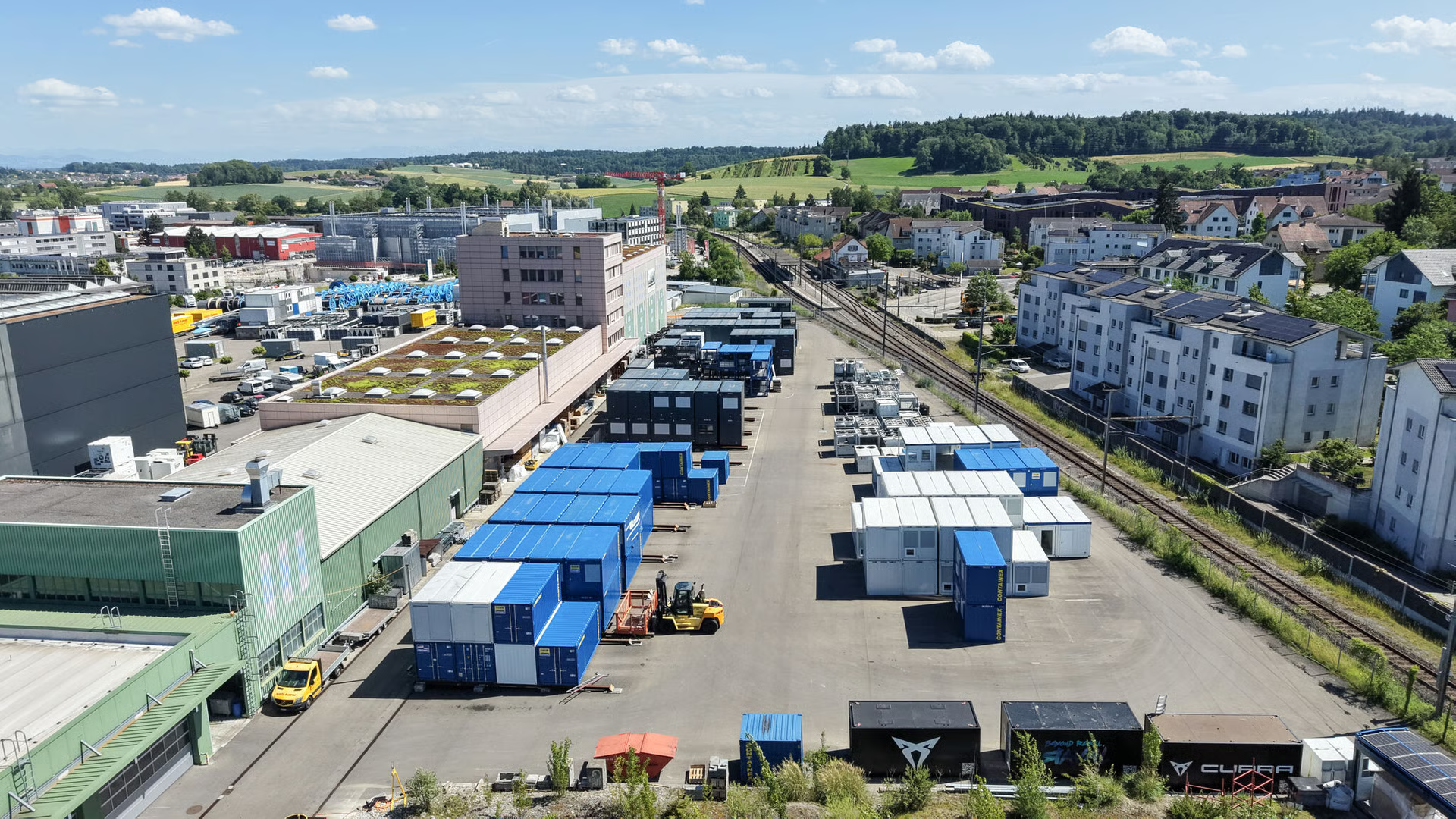
Modular construction decouples factory production from site work. While your groundworks contractor is preparing foundations, drainage and utility connections on-site, the building modules are being manufactured, wired, plumbed and finished in a factory elsewhere. By the time the site is ready to receive them, the modules arrive substantially complete.
To make this concrete: consider a conventional office building that would take 12 months from site clearance to handover. The foundations and substructure might take two months, the superstructure another three, the envelope two months, and the interior fit-out and commissioning five months. In a modular equivalent, the foundations still take roughly two months, but the modules are being built in months two through five. Installation and final connections might take another two to three months. The overall programme compresses to seven or eight months. The overlap between factory and site work accounts for the majority of the time saved.
McKinsey's 2017 report "Reinventing Construction" found that modular approaches can reduce project timelines by 20 to 50 percent, with the variation depending on project complexity, logistics and how well the parallel workstreams are coordinated.
Weather Independence and Controlled Factory Environments
Weather delays are among the most common causes of schedule overrun in conventional construction. Rain stops bricklaying. Frost prevents concrete pours. High winds halt crane operations. In northern Europe, seasonal constraints can effectively shut down certain site activities for weeks at a time.
Factory production eliminates weather as a variable. Manufacturing continues year-round under a controlled roof, regardless of what is happening outside. This matters not just for structural work but especially for interior fit-out. Electrical wiring, plumbing, insulation, flooring and painting all happen in dry, temperature-stable conditions. Materials are not left exposed to rain on partially completed sites.
The quality implications are worth noting. The Building Research Establishment (BRE) has documented that factory-produced housing shows lower rates of moisture-related defects, specifically mould, warping and corrosion, compared with site-built equivalents. From a timeline perspective, fewer defects means less rework, fewer failed inspections and fewer call-backs after handover. The time saved is not dramatic on any single item, but cumulatively it protects the programme from the erosion of small delays that plague conventional builds.
How does weather affect modular versus traditional construction timelines?
On a traditional site, weather affects nearly every phase from earthworks to roofing to exterior finishes. A wet autumn can add weeks to a programme. For modular projects, weather primarily affects two narrow windows: site preparation (foundations and groundworks, which are still done outdoors) and the installation days when modules are craned into position. Since installation typically takes days rather than months, the weather exposure is drastically reduced.
Standardised Processes and Assembly-Line Efficiency
Factory production applies assembly-line logic to building. Teams perform the same tasks at fixed workstations, day after day, with consistent tooling and materials. This repetition builds speed and accuracy in ways that site-based construction, where every project is essentially a prototype built in the open air, cannot easily match.
Standardisation also compresses the design phase. Modular systems work from pre-engineered configurations and component libraries. You are not designing every junction detail from scratch. McKinsey estimated design time savings of up to 15 percent from the use of modular libraries and standardised specifications. For project managers, this means less time waiting for design resolutions and fewer requests for information clogging the critical path.
Does modular construction sacrifice quality for speed?
This is one of the most common concerns, and the evidence points the other way. Factory environments allow quality control to be built into the production line. Inspections happen at each stage of assembly, not just at the end. Tolerances are tighter because work is done on level factory floors with precision jigs rather than on uneven ground in variable conditions. ISO 9001 quality management systems are standard in well-run modular factories. The speed comes from process efficiency, not from cutting corners.
Reduced On-Site Labour and Coordination Complexity
A conventional building site requires the sequential coordination of dozens of subcontractor trades: groundworkers, steel erectors, bricklayers, roofers, plasterers, electricians, plumbers, painters, flooring specialists and more. Each trade has its own scheduling constraints, and a delay by one pushes others back. Managing this choreography is a major part of what makes traditional construction slow and unpredictable.
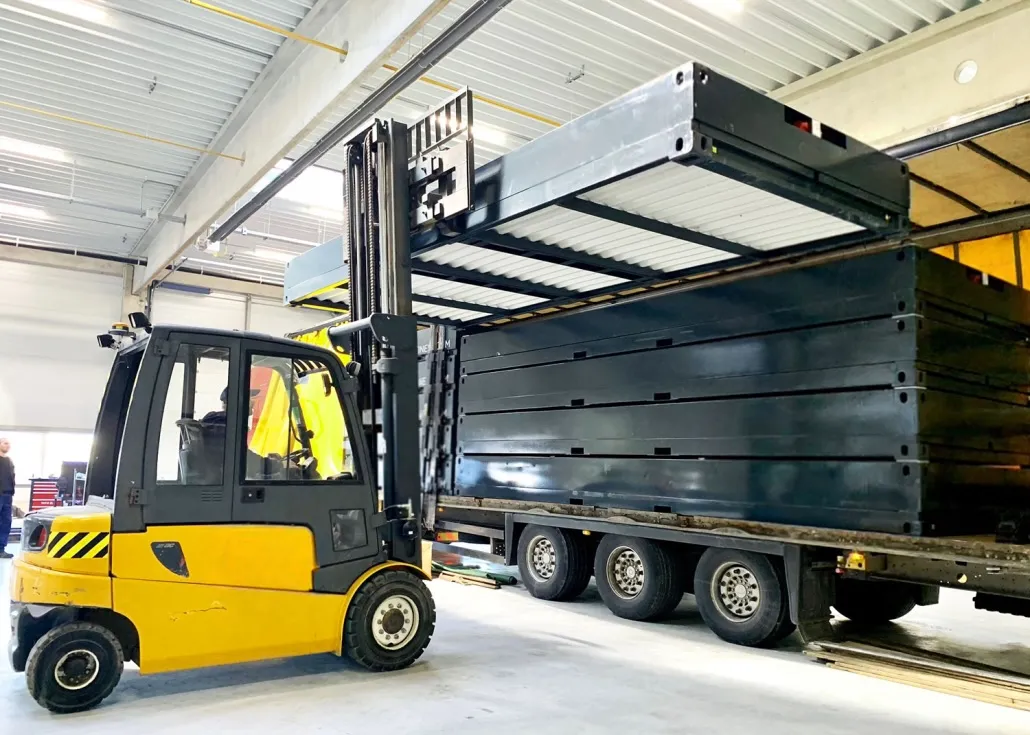
Modular delivery consolidates most of these trades into the factory. The modules arrive with internal walls, floors, ceilings, wiring, plumbing and finishes already in place. On-site work is reduced to foundations, module placement, inter-module connections and final commissioning. Industry data suggests on-site labour requirements can be reduced by up to 70 percent.
Fewer workers on-site means simpler logistics, less congestion, fewer scheduling conflicts and more straightforward health-and-safety management. It also reduces your exposure to the skilled-labour shortages that the Construction Industry Training Board (CITB) has documented across Europe. If you cannot find enough qualified tradespeople to staff a conventional site, modular sidesteps the problem by doing the work where the labour force is already concentrated.
How long does on-site installation actually take?
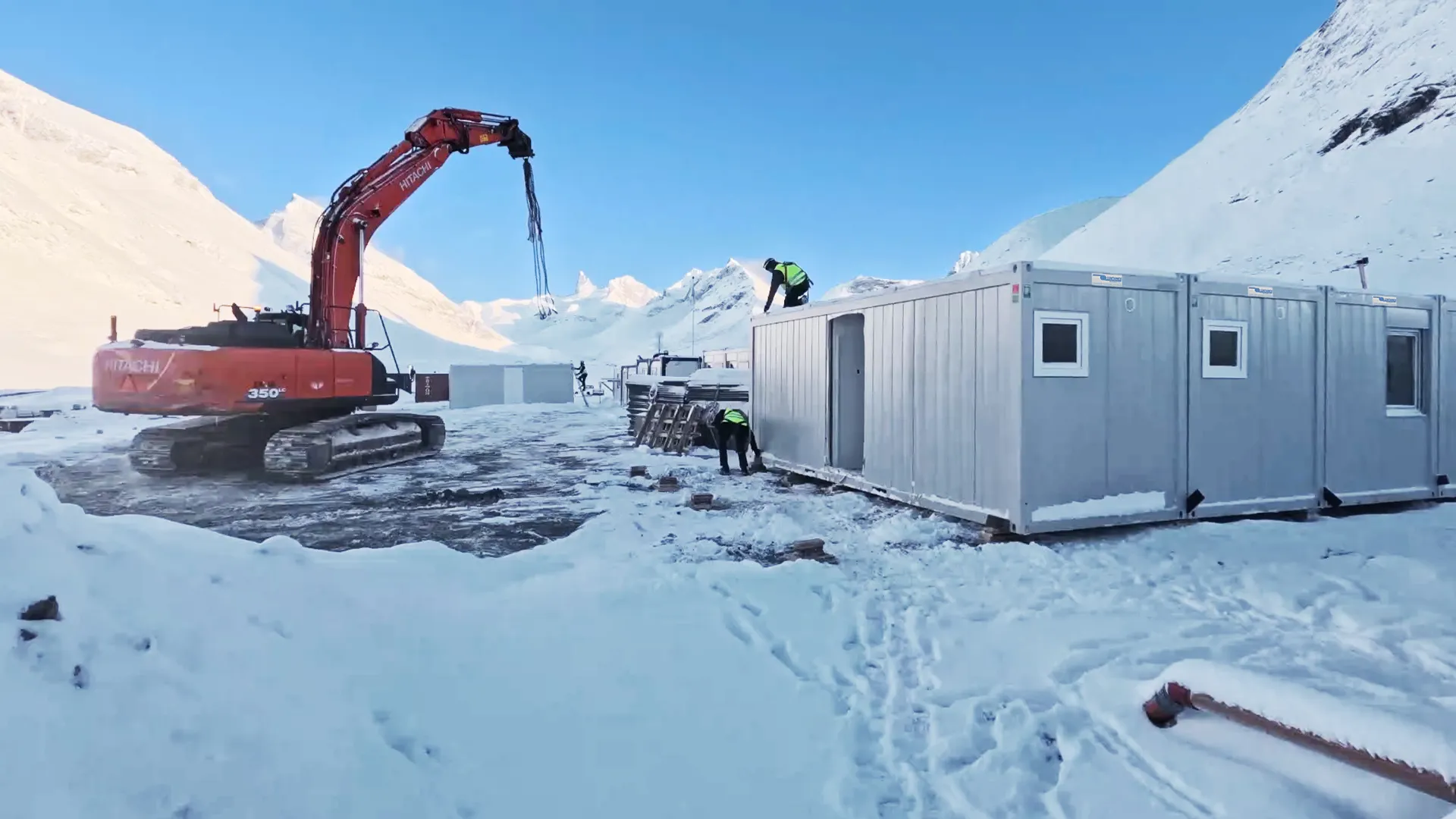
For a typical modular building of, say, 10 to 20 modules, crane installation can be completed in one to three days. Connection work, snagging and commissioning add days to a few weeks depending on complexity. Compare this with the months of on-site construction activity in a conventional programme.
Compressed Procurement and Supply Chain Management
Factory production changes the procurement model. Rather than buying materials project by project, factories can bulk-order standard components on a rolling basis, maintaining stock levels that allow production to start without the lead-time delays that afflict bespoke site orders.
Materials stored in warehouse conditions suffer less damage, theft and weather degradation than materials left on open construction sites. This reduces waste and avoids the delays caused by reordering damaged stock.
Pre-agreed specifications are important here. Because modular systems use standardised components, the scope for change orders is reduced. Change orders are one of the biggest hidden time-sinks in conventional construction. Every change triggers a chain of redesign, re-procurement, re-scheduling and often rework. Modular does not eliminate changes entirely, but the standardised framework limits their frequency and impact.
Faster Permitting and Regulatory Alignment
Many modular building systems carry pre-certification or type-approval documentation. In jurisdictions that recognise these, the regulatory review process can be faster because the structural and fire-safety performance of the system is already documented and proven, rather than needing to be assessed from first principles for every project.
In Germany, for example, the Typengenehmigung (type approval) process allows modular systems to be pre-certified against state building codes, reducing the documentation burden on individual projects. European Technical Assessments (ETAs) under the Construction Products Regulation serve a similar function for cross-border deployment.
A word of caution: permitting timelines still vary significantly by jurisdiction and project complexity. Planning consent for the use of a site is a separate matter from building-code compliance, and modular construction does not automatically speed up local planning processes. But where the building system itself is pre-certified, you remove one layer of regulatory uncertainty from the programme.
Does modular construction require different planning permission?
Generally, the planning permission requirements are the same as for conventional buildings. You still need consent for the use, scale and appearance of the building on a given site. The difference is that the technical compliance documentation for the building system may already exist, which can simplify the building-control process. Temporary modular installations may benefit from simplified consent procedures in some jurisdictions, but this is location-specific.
What Speed Means in Practice: Financial and Operational Impact
Faster completion is not just a scheduling convenience. It has direct financial consequences.
Earlier occupancy means earlier revenue generation for commercial projects, earlier service delivery for public facilities, and earlier operational use for industrial buildings. If you are building a school extension to accommodate rising pupil numbers, every month of delay is a month of overcrowded classrooms. If you are building event infrastructure for a fixed date, there is no schedule float at all.
Shorter construction programmes also reduce financing costs. On a commercial loan of, say, CHF 5 million at 4 percent annual interest, each month of construction duration carries roughly CHF 17,000 in interest. Shaving four months off a programme saves approximately CHF 67,000 in interest alone, before accounting for earlier revenue.
There are softer benefits too. A shorter construction period means less disruption to neighbours, less noise and dust, fewer truck movements and a smaller overall footprint of disturbance. For projects in operational environments, such as adding capacity to a working school or hospital, this reduced disruption can be the deciding factor.
What are the financial benefits of a shorter construction programme?
Beyond reduced interest costs, consider: lower site-management and supervision costs (fewer months of site staff, security, temporary services), reduced risk of cost escalation on materials (shorter exposure to price inflation), and earlier return on investment. For rental or leased modular buildings, the speed of deployment also means you begin using the asset almost immediately, which changes the cash-flow profile compared with a conventional build where capital is committed for months before any use is possible.
When Modular Is Fastest, and Where the Limits Are
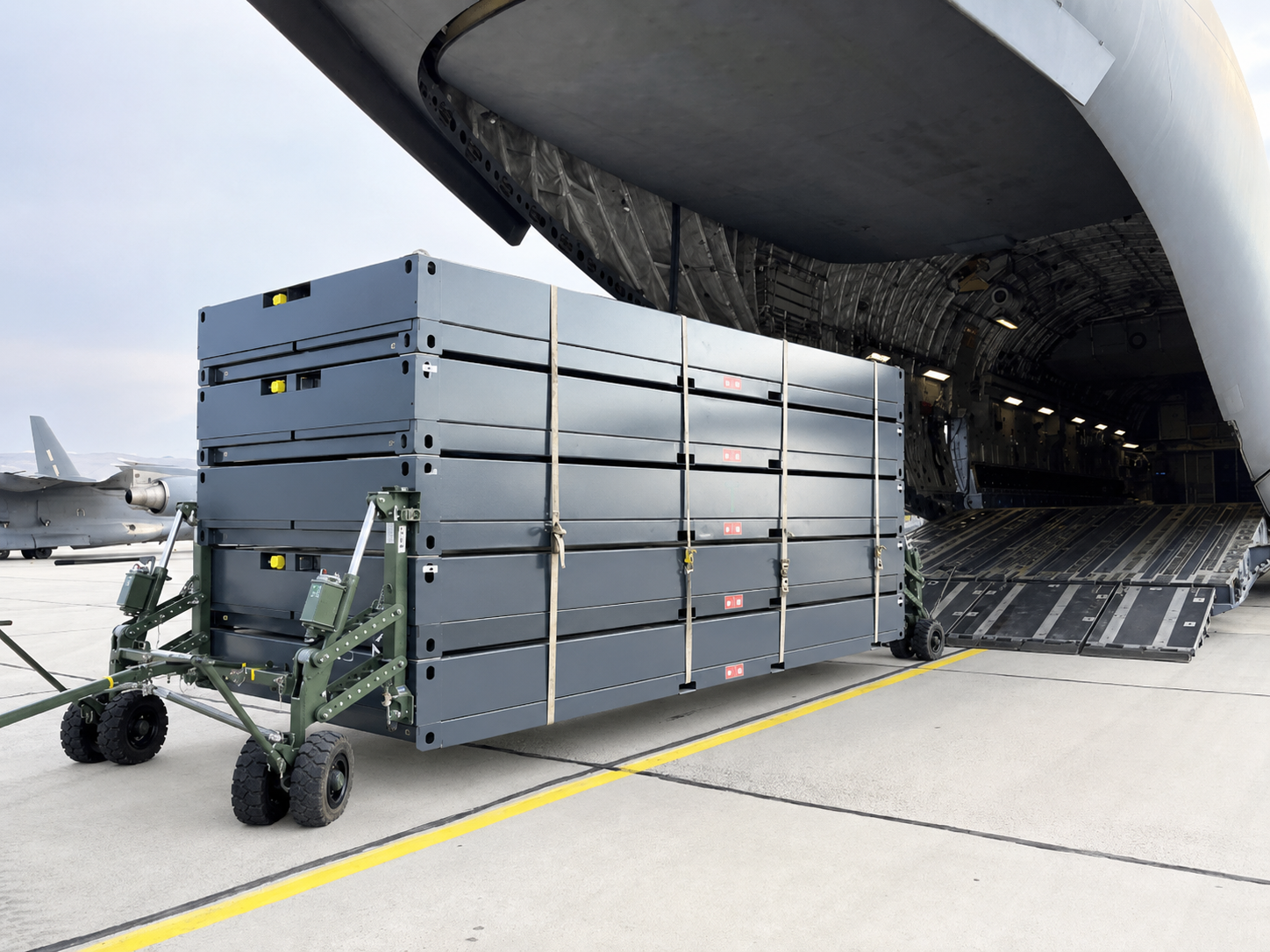
Modular speed advantages are greatest in specific circumstances: projects requiring repetitive unit types (classrooms, housing, offices), projects with immovable deadlines (events, seasonal demand), sites with access constraints where prolonged construction activity is impractical, and phased programmes where buildings are delivered in stages.
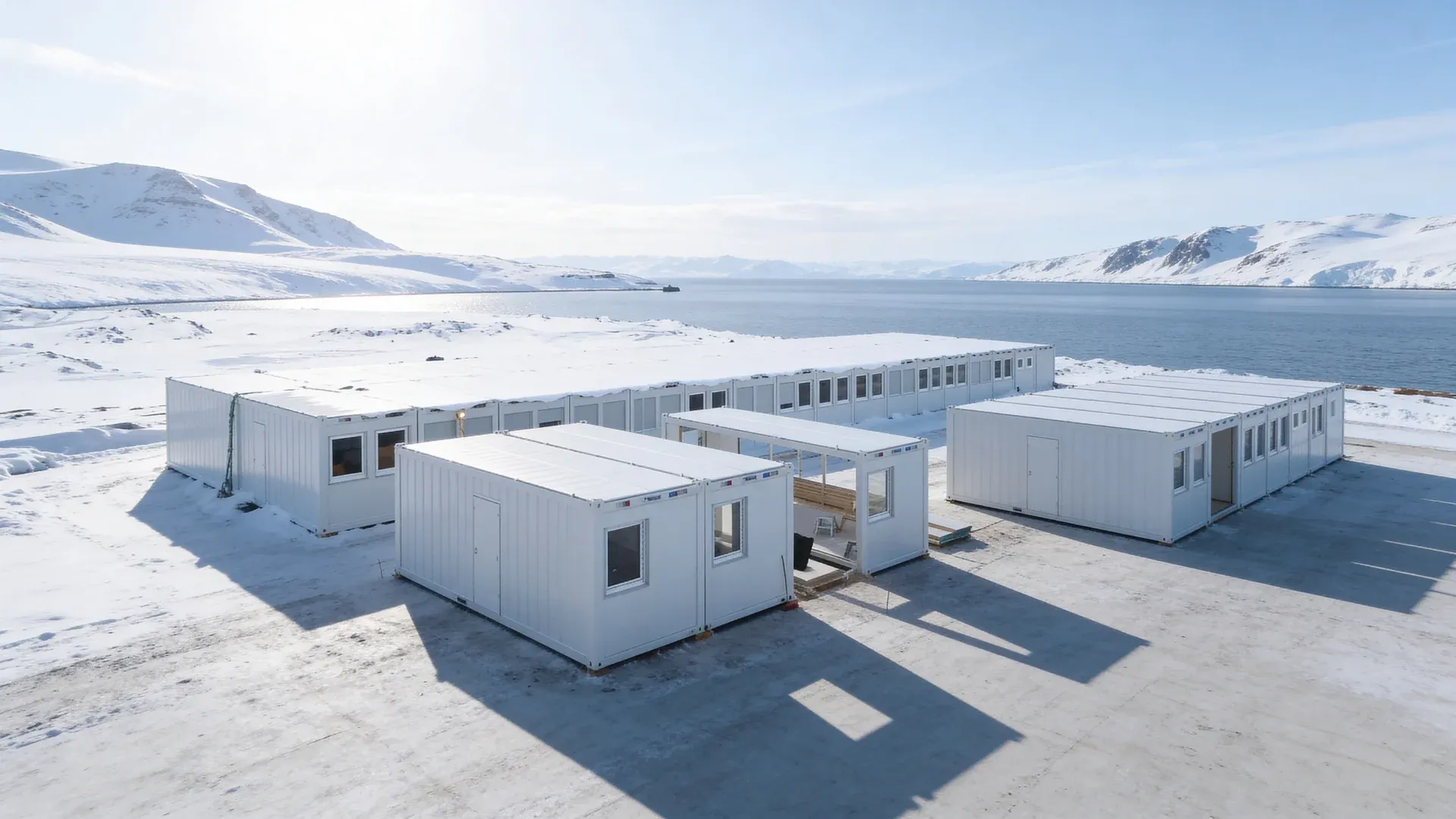
The advantages are reduced in other situations. Highly bespoke, one-off designs that cannot exploit standardised components lose much of the factory efficiency gain. Extremely remote sites with complex transport logistics may face challenges getting large modules delivered. And in jurisdictions where planning authorities have little experience with modular methods, the regulatory process may not be any faster.
Hybrid approaches can offer a practical middle ground. A modular structural core with site-built finishing elements can balance speed with design flexibility, capturing most of the time savings while allowing architectural customisation.
What happens if the site is not ready when the modules arrive?
This is a real risk that needs managing. If factory production outpaces site preparation, you face storage costs and potential double-handling. Good project coordination mitigates this by synchronising the two workstreams. The factory production schedule should be calibrated to the site programme, not run independently. This is one reason why having a single coordinating partner across both workstreams, rather than separate unconnected contractors, matters for protecting the speed advantage.
The Direction of Travel
Digital design tools, particularly BIM and online configurators, are compressing the planning-to-production cycle further. Designs that once took weeks of drawing iterations can now be configured in days. Advances in crane technology and logistics planning are reducing installation time on-site. And growing familiarity among planning authorities is reducing the regulatory friction that early modular projects sometimes encountered.
The broader trend is clear. Modular construction is shifting from an alternative method used mainly for temporary or low-specification buildings to a mainstream delivery strategy for time-sensitive, quality-critical projects. The speed is real, the mechanisms behind it are well understood, and the financial and operational case strengthens as the industry matures.
.webp)
Book a free consultation
Open, non-binding and tailored to your project.